How to Choose the Best Outdoor Wall Panel for Your Project?
Choosing the best Outdoor Wall Panel for your project can significantly impact its aesthetic and functional value. Renowned expert Jane Smith, a leader in exterior design, once stated, “The right panel can transform any outdoor space.” This emphasizes the importance of thoughtful selection in enhancing both beauty and durability.
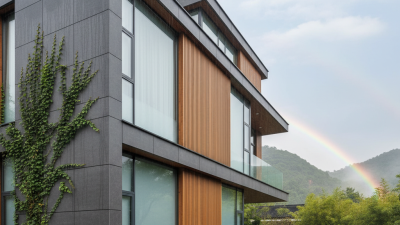
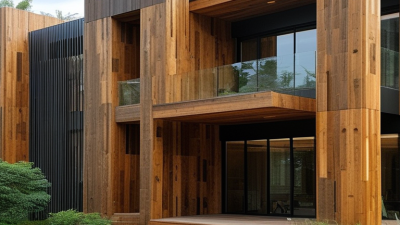
Outdoor Wall Panels come in various materials, colors, and textures, each serving different purposes. From natural wood to modern composites, the options can be overwhelming. It is essential to consider the environmental conditions where the panels will be installed. For instance, panels exposed to moisture require more attention to weather resistance.
Selecting an Outdoor Wall Panel also involves understanding your specific needs. Are you looking for insulation, noise reduction, or purely aesthetic appeal? Each panel type offers distinct advantages and disadvantages. Reflecting on these factors will aid in making an informed decision that not only meets practical requirements but also aligns with your vision.
Understanding Different Types of Outdoor Wall Panels Available
When embarking on an outdoor wall panel project, it's crucial to understand the various types available. Wood panels offer natural beauty and warmth, but they require maintenance. According to the American Wood Council, untreated wood can decay within 5 to 10 years outdoors, which makes regular upkeep essential. On the other hand, composite panels have gained popularity. They combine wood fibers and plastic, creating a durable option that resists fading and weathering.
Metal panels, such as aluminum and steel, deliver durability and modern aesthetics. Research shows that metal panels can last up to 50 years with minimal maintenance. However, their installation can be complex and might necessitate professional help. Another option is vinyl panels. They are lightweight and can mimic the look of wood. Statistics reveal that vinyl siding can increase a home's resale value by up to 80% of its initial cost, reflecting the appeal of this material.
Selecting the right outdoor wall panel requires evaluating the specific needs of your project. Consider climate factors, desired aesthetics, and your willingness to perform maintenance. Each material has its pros and cons. Choosing an unsuitable option may lead to regret and additional costs down the line. Balancing beauty with practicality is key to a successful outdoor panel installation.
Evaluating Material Durability and Weather Resistance Features
Choosing the right outdoor wall panel involves understanding material durability and weather resistance. These features are crucial for long-lasting performance. Look for panels that can withstand harsh conditions. Materials like fiber cement, wood, or composite are popular. Each has unique characteristics that impact longevity.
Tips: Check for certifications that indicate weather resistance. Look for panels tested against extreme temperatures and moisture. Some materials may swell or warp if not treated properly. Always research the maintenance requirements too.
Weather-resistant panels protect against rain and UV exposure. They reduce the risk of fading or damage. Pay attention to installation guidelines; improper methods can compromise durability. Regularly inspect your panels for any signs of wear. Addressing issues early prevents costly repairs later.
Considerations for Aesthetic Appeal and Design Harmony
When selecting outdoor wall panels, aesthetic appeal and design harmony play crucial roles. Choosing colors that complement your surroundings can enhance your space significantly. For instance, earthy tones may blend seamlessly with natural landscapes, while brighter colors can add vibrancy. Each option presents its unique vibe and requires careful consideration.
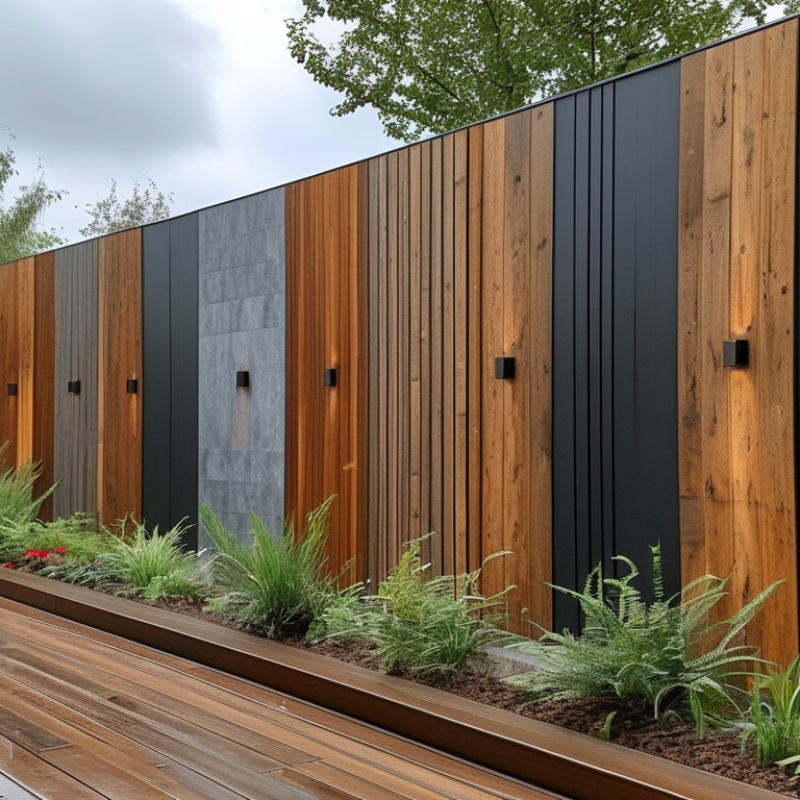
Textures are equally important. The roughness of natural stone can evoke a rustic feel, while smooth finishes scream modern elegance. Mixing different materials may create a dynamic look, but it can also lead to visual clutter. One must strive for a balance that doesn't overwhelm the eye. Consider the existing architecture and landscape, as contrasting styles can sometimes clash, creating an unappealing result.
Incorporating personal tastes while considering these aspects often leads to spectacular outcomes. A wall panel should reflect both style and functional requirements. It's easy to fall into trends, but what's in vogue today may not resonate tomorrow. Take time to envision how the space will feel over time. Remember, the goal is harmony—not just aesthetics.
Assessing Installation Requirements and Maintenance Needs
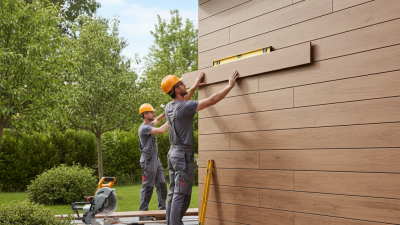
When selecting an outdoor wall panel, understanding installation requirements and maintenance needs is crucial. Many homeowners report that they underestimated the complexity of installation. In fact, a study showed that 45% faced unexpected challenges, like uneven surfaces or difficult access areas. These issues can lead to delays, so careful measurement and site assessment are essential. Consulting professional guides can offer clarity on which materials are easier to install.
Maintenance is another vital consideration. Different materials have varying longevity and upkeep needs. For instance, wood panels may require regular sealing, while composite options often have minimal maintenance. According to industry data, nearly 30% of outdoor wall panel users neglect maintenance, which can dramatically shorten lifespan. A detailed maintenance schedule can prevent costly repairs. Research indicates that regular inspections can increase durability by up to 40%. Recognizing these factors can guide you toward the best choice for your project.
Budgeting for Costs and Long-Term Value of Wall Panels
When budgeting for outdoor wall panels, it’s crucial to consider both upfront costs and long-term value. According to industry reports, high-quality panels may have an initial investment ranging from $25 to $50 per square foot. While this price may seem steep, the durability of materials like fiber-cement and high-density polyethylene can lead to savings over time. These panels can last up to 50 years, resulting in a better cost-per-year solution compared to cheaper alternatives.
Moreover, installation costs should not be overlooked. Professional installation can add $10 to $30 per square foot. However, improper installation can lead to issues, such as water damage and rotting. This oversight may incur significant repair costs. Investing in premium panels and skilled labor may be challenging, but it often pays off in reduced maintenance and repair expenses down the line.
Environmental impact plays a role in long-term value too. Sustainable materials may initially cost more, but they often qualify for tax rebates and incentives. Such options not only contribute positively to the environment but can also enhance the appeal of your property. Balancing upfront costs with these potential future savings can refine your decision-making process.