Top 10 Outdoor Decking Options for Your Home Improvement Needs?
When transforming your outdoor space, outdoor decking plays a crucial role. Choosing the right decking material can enhance your home’s beauty and functionality. There are various options available, each with unique characteristics.
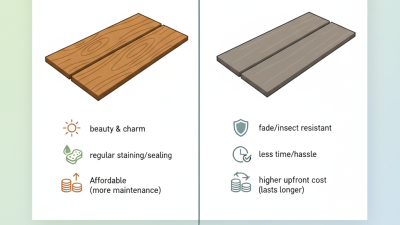
Consider the aesthetic appeal, durability, and maintenance of different materials. Wood, composite, and PVC are popular choices, each offering distinct advantages and drawbacks. For example, natural wood provides warmth but requires regular upkeep. In contrast, composite decking is low-maintenance and eco-friendly. This means you must evaluate your lifestyle and preferences.
This guide explores the top ten outdoor decking options to suit various needs. Each choice comes with its own set of pros and cons. Reflecting on your specific requirements will help you make an informed decision. After all, outdoor decking not only adds value to your home but also shapes your outdoor experience.
Overview of Outdoor Decking Options for Home Improvement
When considering outdoor decking options, it's essential to evaluate durability, maintenance, and aesthetics. According to a report by the American Society of Landscape Architects, nearly 50% of homeowners prioritize natural wood for its classic appeal. However, this choice often requires more upkeep due to weathering and pests, potentially leading to higher long-term costs.
Composite decking has gained traction in recent years, with a growing market share. Industry studies show that about 40% of new decks installed are now made from composite materials. These options are designed to withstand the elements without significant fading or warping. Yet, some users find that while low maintenance, composite can lack the authentic look of natural wood.
Additionally, PVC decking is emerging as a reliable choice. It offers water resistance and is often backed by lengthy warranties. Research indicates that PVC options can last over 25 years with minimal care. Nonetheless, the initial investment can be higher, prompting homeowners to weigh short-term costs against long-term benefits. An ideal outdoor deck balances aesthetics with practical elements, considering user lifestyle and environmental impact.
Factors to Consider When Choosing Outdoor Decking Materials
When selecting outdoor decking materials, several key factors should be considered for optimal performance. Durability is vital, as the right decking can withstand the elements. According to a report by the American Wood Council, treated wood can last up to 15-25 years with proper maintenance. In contrast, composite decking often boasts a lifespan of around 25-30 years, appealing to those seeking longevity.
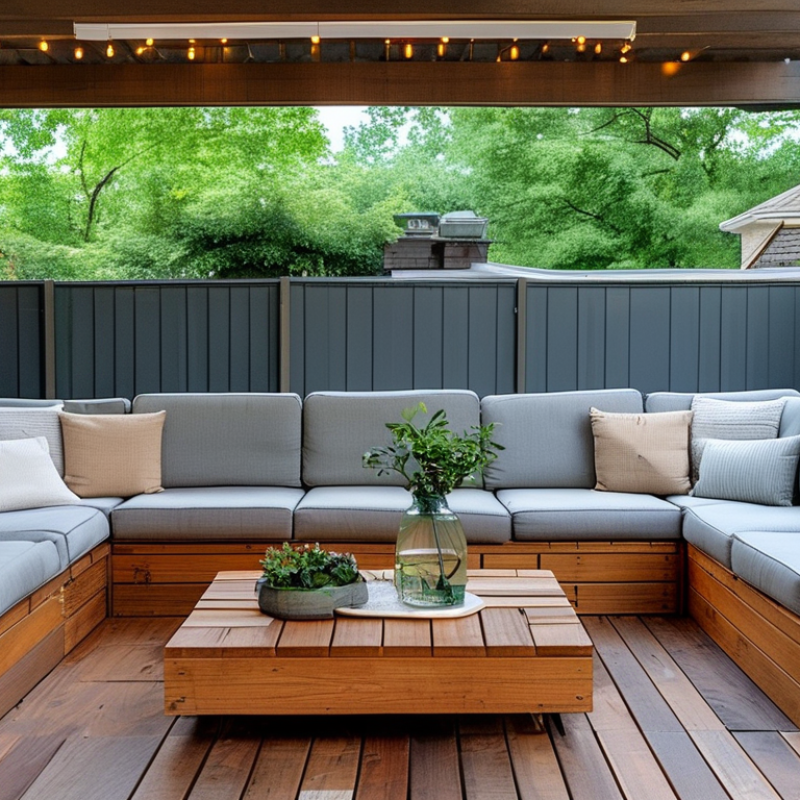
Aesthetic appeal is another crucial factor. Different materials offer varied appearances that can enhance your home’s design. For instance, natural wood brings warmth and character, while composite options provide a sleek, modern look. With the right choice, you can ensure the deck complements your outdoor space beautifully.
Tips: Choose lighter colors in sunny areas to avoid overheating. This simple choice can make your deck more comfortable. Regular maintenance is essential, but different materials have different needs. Regularly inspect wood for splinters and consider sealing it annually. You can save on long-term repairs by addressing small issues early.
Top Wooden Decking Choices: Pros and Cons
When considering wooden decking options, it’s essential to weigh the pros and cons. Wood decking is visually appealing and adds natural warmth to a space. According to the National Association of Home Builders, 60% of homeowners prefer wood for its classic look.
However, wood requires careful maintenance. It can rot, warp, or become infested with insects if not treated properly. Experts recommend regular sealing and staining every few years to prolong its life. Remember, a neglected deck can lead to costly repairs.
Tip: Choose pressure-treated wood, which is more resistant to moisture and insects. Redwood and cedar are also popular, offering durability with a pleasant aroma. Weigh the initial costs against long-term upkeep.
Reflecting on your choice is critical. While aesthetics matter, durability should be high on your list. The American Wood Council notes that a well-maintained wooden deck can last over 30 years, but weather conditions can significantly impact its lifespan. A thoughtful approach can lead to a beautiful and functional outdoor space.
Exploring Composite Decking for Durability and Aesthetics
When considering outdoor decking, composite materials stand out for their durability and aesthetic appeal. These boards are made from a blend of wood fibers and recycled plastic. This combination provides strength and longevity. Unlike traditional wood, composite decking resists rot, splintering, and insect damage. Homeowners can enjoy beautiful outdoor spaces without constant maintenance.
The aesthetics of composite decking are also remarkable. Available in various colors and textures, it mimics the look of real wood without the drawbacks. You can choose finishes that blend seamlessly with your garden or outdoor furniture. However, this option can sometimes appear less authentic to wood enthusiasts. It may not possess the same warmth as natural wood.
Another point to consider is heat retention. Composite decking can get hot under direct sunlight. This can be uncomfortable for bare feet on sunny days. It's crucial to think about placement and outdoor shade. These factors ultimately affect how you will enjoy your deck. Composite decking offers many benefits, but weighing these considerations is vital for an informed choice.
Sustainable and Eco-Friendly Decking Alternatives
Choosing sustainable and eco-friendly decking options is essential for modern home improvement. Natural wood decking may seem appealing, but it often leads to deforestation and habitat loss. According to a study by the Forest Stewardship Council, sustainably sourced wood products can help mitigate these issues. They promote responsible forest management, supporting both ecosystems and local communities.
Composite decking is another popular alternative. It typically uses recycled materials, reducing waste and landfill contributions. Research suggests that composite decking can last up to 30 years with minimal upkeep. However, not all composite materials are created equal. Some contain plastic that may not be recyclable. It’s crucial to select high-quality options that prioritize sustainability throughout their lifecycle.
Recycled plastic decking is also gaining traction. It’s made from post-consumer waste, diverting plastic from landfills. Data from the EPA shows that plastic waste is a significant environmental challenge. Utilizing this material helps address that issue. However, the production process can sometimes be energy-intensive. Continuous improvement in methods is necessary to enhance the overall sustainability of these solutions. Balancing durability with environmental impact remains a challenge for many homeowners.
Top 10 Outdoor Decking Options for Your Home Improvement Needs
| Decking Material |
Sustainability Rating |
Longevity (Years) |
Maintenance Level |
Cost per Square Foot |
| Composite Decking |
High |
25-30 |
Low |
$4 - $10 |
| Bamboo Decking |
Very High |
20 |
Medium |
$6 - $12 |
| Reclaimed Wood |
High |
30-50 |
High |
$8 - $15 |
| Plastic Decking |
Medium |
25-30 |
Low |
$3 - $8 |
| Ipe (Brazilian Walnut) |
Medium |
40+ |
Medium |
$10 - $15 |
| Vinyl Decking |
High |
25-40 |
Low |
$7 - $12 |
| Cedar Decking |
Medium |
15-20 |
Medium |
$5 - $10 |
| Aluminum Decking |
Very High |
50+ |
Low |
$9 - $13 |
| Thermally Modified Wood |
High |
25-30 |
Medium |
$6 - $11 |
| Synthetic Decking |
High |
25-30 |
Low |
$5 - $10 |