How to Choose the Best WPC Decking for Your Outdoor Space?
When selecting WPC decking for your outdoor space, several factors are essential. WPC, or wood-plastic composite, has gained popularity due to its unique blend of durability and aesthetics. Reports indicate that the WPC decking market is expected to grow significantly, with an anticipated CAGR of 10.3% from 2021 to 2028. This growth reflects the increasing preference for low-maintenance outdoor solutions.
As consumers become more environmentally conscious, WPC decking is often perceived as a sustainable option. The materials used in WPC are typically recycled, reducing waste in landfills. Additionally, WPC decking does not require chemical treatments, making it safer for both families and pets. However, not all WPC products are the same. Variations in quality can lead to different experiences regarding longevity and performance. It’s crucial to investigate the source of the materials and manufacturing processes to make an informed choice.
Ultimately, selecting the best WPC decking demands careful consideration. Balancing aesthetics, cost, and durability requires thorough research. Engaging with industry professionals can provide valuable insights. Personal experiences also play a role. Common pitfalls include overlooking warranty details or assuming all products are created equal. By recognizing these potential missteps, homeowners can enhance their outdoor spaces with confidence in their decking choice.
Factors to Consider When Selecting WPC Decking Materials
Selecting the right WPC decking for your outdoor space demands careful consideration of several factors. One crucial aspect is durability. WPC, or wood-plastic composite, is engineered to resist weather, pests, and rot. However, not all WPC materials are created equal. Look for products that have undergone rigorous testing for durability.
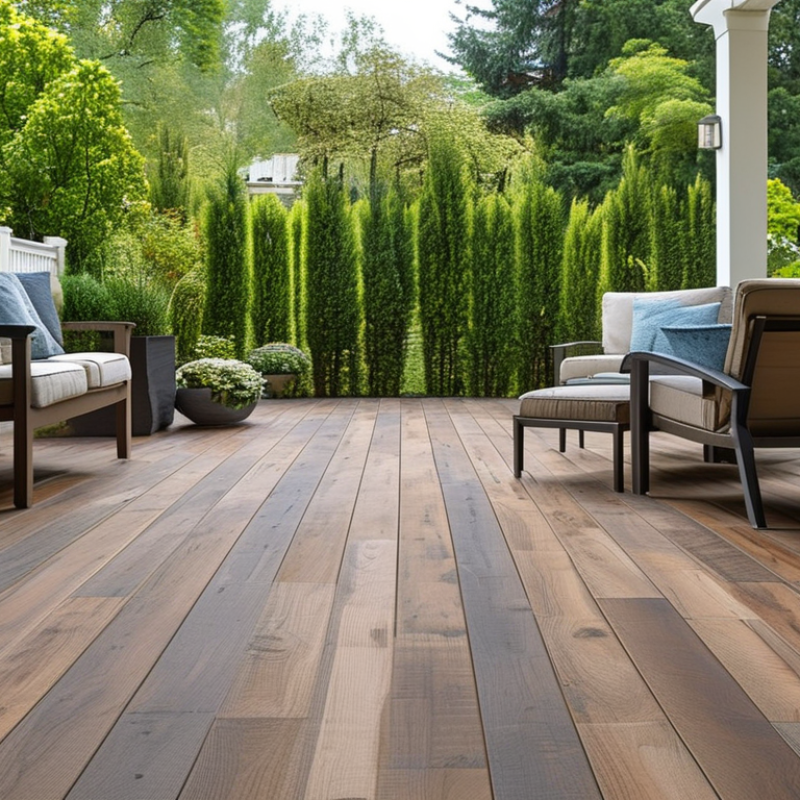
Another important factor is texture and aesthetic appeal. The finish of your decking can significantly impact its overall look. Some options mimic natural wood grain, while others provide a sleek, modern surface. Consider how this texture will blend with your existing outdoor decor. Color options also play a role, so take the time to explore choices that complement your landscape.
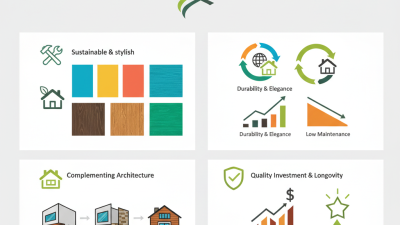
Finally, environmental impact should not be overlooked. WPC decking is often made from recycled materials, reducing waste. However, it’s essential to research the sourcing of these materials. Transparency from suppliers can help you verify their claims. Ensuring that your choice aligns with eco-friendly practices is a responsible decision. Each consideration adds depth to your selection process and requires thoughtful reflection.
Comparing Durability and Lifespan of WPC vs. Traditional Decking
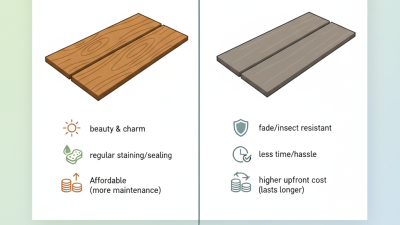
When choosing decking for your outdoor space, durability and lifespan are critical factors. WPC (Wood-Plastic Composite) decking typically lasts 25-30 years, significantly outpacing traditional wood decking, which can suffer from rotting, splintering, and insect damage. According to a 2021 report by the American Wood Council, untreated wood can last only 10-15 years in outdoor conditions. WPC's resistance to moisture and UV rays makes it a robust option for various climates.
However, not all WPC products are created equal. It's essential to check their material composition. Quality WPC often consists of 60% wood fibers and 40% recycled plastics, enhancing durability. Some lower-end products may use less wood, leading to a weaker structure. A study from the National Association of Home Builders highlights that 70% of homeowners prioritize durability over initial cost when selecting decking options.
Tips: Consider your local climate when choosing materials. Areas with high humidity may require decking that offers excellent moisture resistance. Look for warranties; reputable WPC manufacturers provide warranties ranging from 20 to 25 years. Testing samples under your typical conditions can reveal potential weaknesses. Some products may appear attractive but could fail in harsh weather. Assess functionality and appearance carefully.
Comparing Durability and Lifespan of WPC vs. Traditional Decking
Analyzing Environmental Impact: Sustainable Options in WPC Decking
When it comes to choosing WPC decking, sustainability is a key factor.
Wood-plastic composites are often marketed as eco-friendly. However, not all options are equal.
Choosing the right type can make a significant difference.
Consider the source of plastic used in WPC products.
Recycled materials are preferable.
They help reduce landfill waste and minimize the carbon footprint.
Sustainable wood fibers also play a role. Look for products that come from responsibly managed forests.
Certifications like FSC can guide your choices.
The durability of WPC decking is another aspect to think about.
Some products may not last as expected. This can lead to increased waste over time.
Research user experiences to inform your decision.
Analyze how different brands perform under various weather conditions.
A little diligence can contribute to a more sustainable outdoor space.
Understanding the Cost-Effectiveness of WPC Decking Over Time
WPC decking, a blend of wood and plastic, is gaining popularity for outdoor spaces. One key advantage is its cost-effectiveness over time. According to a report by the National Association of Home Builders, WPC products can save homeowners up to 50% on maintenance costs over 20 years compared to traditional wood decking.
Initial investments in WPC can seem high. However, considering the long-term savings, this material often pays for itself. A study by the American Society of Landscape Architects found that WPC decking lasts about 25 years, while wood generally requires replacement every 10 to 15 years. This durability reduces the frequency of costly repairs and replacements.
Moreover, WPC decking is resistant to rot, mold, and insects. This quality ensures homeowners won't incur unexpected expenses due to damage. Despite some concerns about its appearance, advancements in manufacturing have improved aesthetics. Homeowners should weigh these factors based on their preferences and budgets to choose the right decking for their outdoor spaces.
How to Choose the Best WPC Decking for Your Outdoor Space? - Understanding the Cost-Effectiveness of WPC Decking Over Time
| Decking Type |
Cost per Square Foot ($) |
Lifespan (Years) |
Maintenance Cost per Year ($) |
Total Cost over 20 Years ($) |
| Solid WPC Decking |
$6.00 |
25 |
$100 |
$1,800 |
| Composite Decking |
$5.50 |
20 |
$80 |
$1,600 |
| PVC Decking |
$7.00 |
30 |
$50 |
$1,700 |
| Traditional Wood |
$5.00 |
15 |
$150 |
$1,350 |
| Aluminum Decking |
$8.00 |
40 |
$20 |
$1,600 |
Identifying WPC Decking Styles and Designs for Aesthetic Appeal
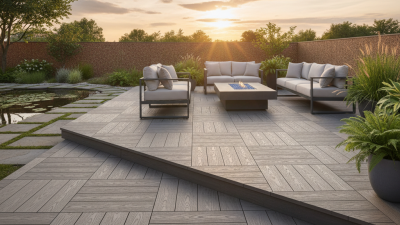
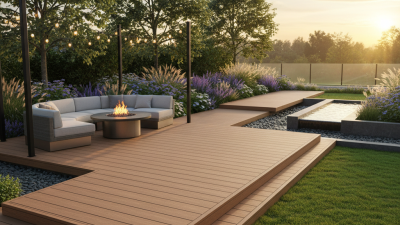
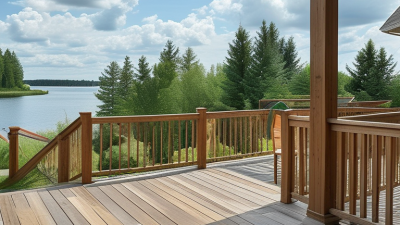
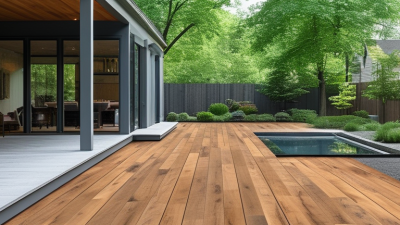
When choosing the best WPC decking for your outdoor space, consider the styles and designs that enhance your aesthetic appeal. WPC, or wood-plastic composite, offers various textures that mimic natural wood. The grain patterns can range from smooth to deeply etched, giving you options that suit your design vision.
Color choices also play a critical role. Darker tones provide a modern, sophisticated look. Lighter shades evoke a beachy, relaxed vibe. Mixing colors can create unique patterns, fostering visual interest. Think about how these colors align with your home's exterior. An inconsistency might clash with existing features.
Pay attention to the railing and lighting options as well. Integrated lights can illuminate your space beautifully at night. A well-chosen railing style can frame your decking and add to its overall impact. Reflect on your outdoor activities. Will the design facilitate entertaining? Or will it serve as a quiet retreat? Your deck should reflect your lifestyle while maintaining visual harmony.