2026 Best WPC Cladding Trends for Your Home Improvement Projects?
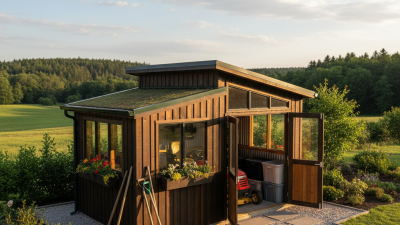
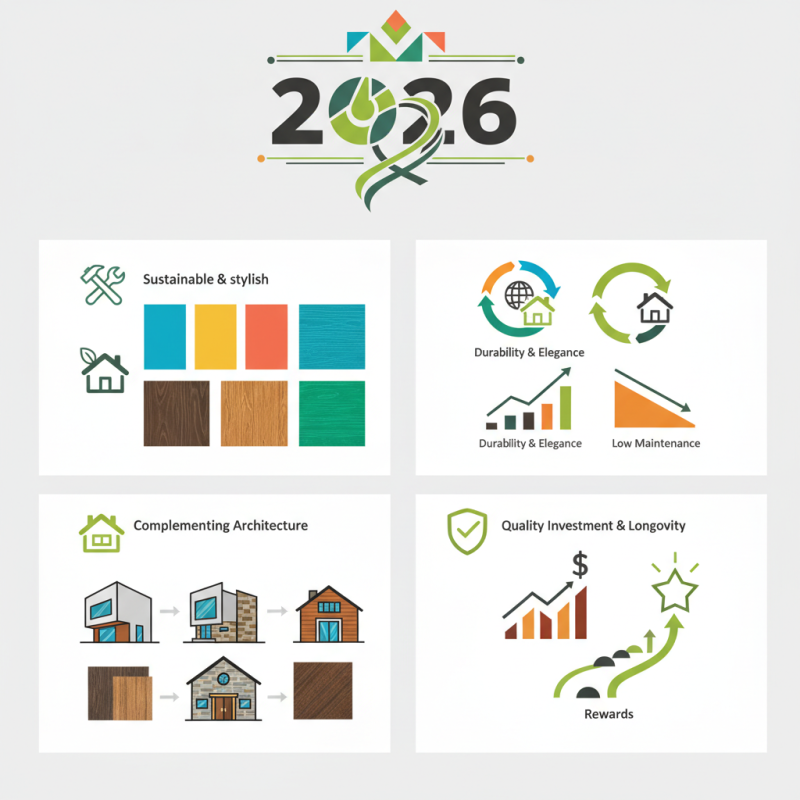
As homeowners increasingly seek sustainable and stylish options, WPC Cladding has emerged as a top choice for modern renovations. John Smith, a leading expert in the WPC industry, emphasizes, "WPC Cladding combines durability with elegance, offering a perfect balance for any project." In 2026, trends suggest a shift towards bright, bold colors and textures that mimic natural wood.
The popularity of WPC Cladding stems from its eco-friendly nature and low maintenance needs. Homeowners are becoming more conscious of their environmental impact. They desire materials that not only beautify their homes but also endure the test of time. WPC Cladding meets these demands well. However, with so many options available, choosing the right style can be overwhelming.
While exploring the latest trends, it's crucial to consider your home's unique characteristics. WPC Cladding should complement your building's architecture and the local environment. Remember, investing in quality is essential. You want your cladding to reflect your style while ensuring longevity. Embracing these trends may present challenges, but the rewards will be well worth the effort.
2026 Overview of WPC Cladding and Its Benefits
WPC (Wood Plastic Composite) cladding has gained popularity in recent years due to its numerous advantages. According to a recent industry report, the WPC market is projected to reach $5.5 billion by 2026, driven largely by its sustainable nature and durability. Homeowners seek long-lasting materials that require minimal maintenance. WPC cladding fits this criterion exceptionally well.
WPC cladding combines recycled wood fibers and plastic, resulting in a product that resists rot, mold, and warping. This makes it ideal for various weather conditions. Reports indicate that WPC can withstand extreme temperatures better than traditional wood. Many consumers appreciate this performance, especially in regions prone to harsh climates.
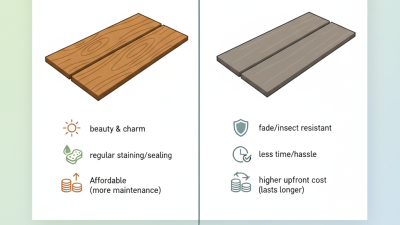
Additionally, WPC offers aesthetic flexibility. Available in various colors and textures, it can mimic traditional wood without the drawbacks. However, some projects reveal mixing wood and plastic can sometimes lead to inconsistencies in appearance. It’s important to balance design choices with practical considerations. Regular maintenance is still necessary, such as cleaning and inspections for fading or damage. The evolving WPC technology ensures that new products continuously improve, aligning with changing homeowner preferences and environmental concerns.
Sustainable Materials Used in 2026 WPC Cladding
Sustainable materials are becoming increasingly popular in WPC cladding design. This year, homeowners seek eco-friendly options that combine aesthetic appeal and durability. WPC, or wood-plastic composite, blends recycled wood fibers and plastic. This not only reduces waste but also creates a product resistant to termites and moisture.
In 2026, trends highlight the use of recycled materials. Many manufacturers are shifting to bio-based plastics derived from natural sources. These innovative materials reduce the carbon footprint. However, the challenge lies in the long-term performance of these products. Homeowners must consider maintenance requirements. While some materials may be sustainable, they could demand more care over time.
Color choices are evolving. Earthy tones and textures that mimic natural wood are in demand. Yet, finding the right balance between sustainability and style can be tough. Some options may compromise on one for the sake of the other. It’s crucial to research and weigh the trade-offs. Sustainable doesn't always mean perfect; understanding limitations remains vital for any home improvement project.
2026 WPC Cladding Trends
Color and Texture Innovations in 2026 WPC Cladding
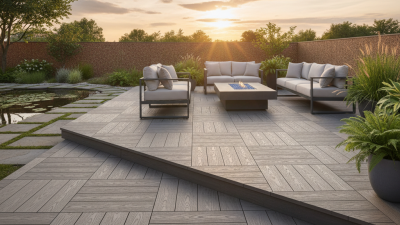
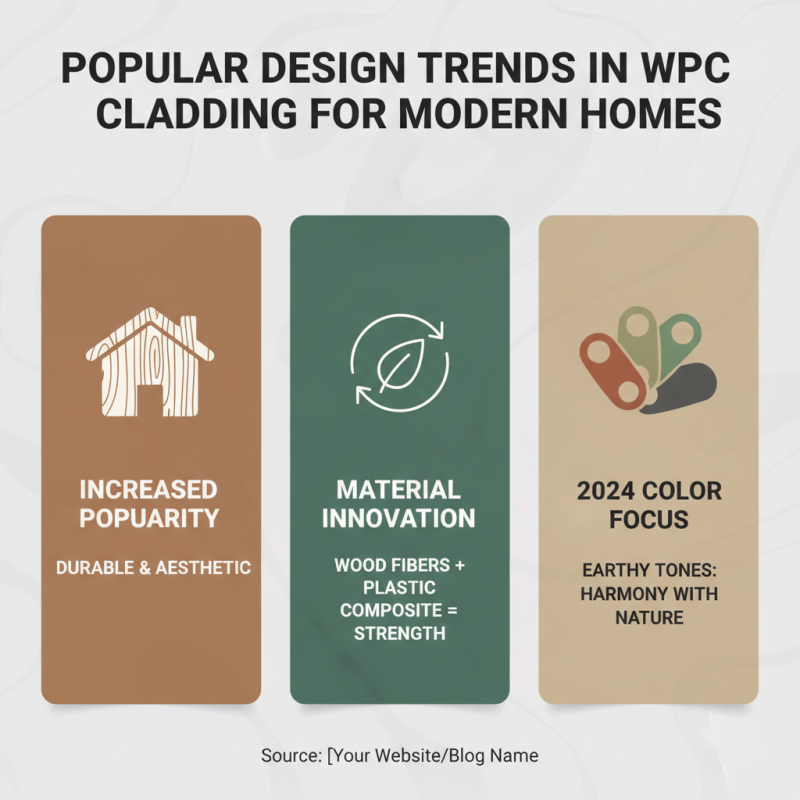
In 2026, the world of WPC cladding is set to embrace vibrant colors and unique textures, making it a key component of modern home design. Homeowners are increasingly drawn to rich, earthy tones like deep reds and forest greens. These hues create a natural connection, blending effortlessly with the surrounding landscape. Textures also play a crucial role; multi-dimensional finishes can mimic natural wood grain, offering a tactile experience that enhances visual appeal.
Sustainability remains a focal point in WPC cladding. Products made from recycled materials are becoming standard. This aligns with a growing consumer demand for eco-friendly options. However, not all products advertise their sources transparently. Some may still rely on less sustainable practices, leaving consumers uncertain. Understanding where materials come from is essential for making informed choices.
Innovative production techniques allow manufacturers to create cladding that withstands the elements. Weather-resistant finishes help prevent fading, but these innovations don’t guarantee longevity. Routine maintenance is still necessary. Homeowners might struggle with the upkeep of some materials. Regular cleaning and inspection can prevent issues, but many overlook this vital step. Understanding potential wear and tear is crucial for maximizing the lifespan of WPC cladding.
Installation Tips and Maintenance for WPC Cladding in 2026
WPC cladding is gaining popularity for home improvement in 2026. Proper installation plays a crucial role in ensuring durability. Start with a level base. Measure twice and cut carefully. This prevents gaps that can lead to water damage over time.
Regular maintenance is essential for extending the life of WPC cladding. Clean it every season to remove dirt and debris. Be mindful of UV exposure; it can cause fading. Inspect for cracks or warping. Promptly addressing these issues can save you from costly repairs later.
While WPC is low maintenance, it's not entirely hassle-free. You might need to replace boards occasionally. Watch for signs of wear, especially in high-traffic areas. Always keep a few extra boards on hand for emergencies. Planning for these potential problems ensures a long-lasting investment.
2026 Best WPC Cladding Trends for Your Home Improvement Projects
| Trend |
Description |
Installation Tips |
Maintenance Tips |
| Sustainable Materials |
Focus on eco-friendly materials that offer durability and style. |
Ensure correct spacing for expansion and contraction. |
Regularly clean to prevent mold and mildew. |
| Textured Surfaces |
Incorporating various textures to enhance aesthetic appeal. |
Use a level and measure precisely for a clean finish. |
Check for loose boards and resecure as needed. |
| Bold Colors |
Daring colors to make a statement in home exteriors. |
Plan colors with surrounding elements for harmony. |
Repaint as needed to maintain vibrancy. |
| Vertical Installation |
Using vertical panels for a modern look. |
Double-check vertical alignment before securing. |
Inspect for water damage in joints regularly. |
| Composite Styles |
Combining WPC with natural wood for a unique blend. |
Ensure compatibility of materials before mixing. |
Treat wood components to protect against rot. |