2026 How to Choose the Best Outdoor Storage Shed for Your Needs?
When selecting the perfect outdoor storage shed, understanding your specific needs is vital. The outdoor storage shed market is projected to reach $11.27 billion by 2026, according to a recent industry report. This highlights the growing demand for effective storage solutions. Homeowners are increasingly seeking sheds that combine functionality with aesthetic appeal.
Choosing the right outdoor storage shed requires careful consideration of materials, size, and location. Durability is key. Sheds made from high-quality materials can withstand weather elements and provide secure storage. The American Society of Landscape Architects emphasizes that proper insulation and ventilation can also enhance a shed’s usability.
It’s important to reflect on your current and future storage needs. Are you storing gardening tools or larger equipment? These factors will influence your decision significantly. Ignoring this could lead to regrettable choices that limit your outdoor space. Striving for balance between style and substance will ensure that your outdoor storage shed meets all your expectations.
Understanding Your Storage Needs for an Outdoor Shed
When selecting an outdoor storage shed, understanding your specific needs is crucial. A survey by the National Association of Realtors states that 65% of homeowners prioritize storage solutions for yard maintenance. This highlights that many seek organized spaces for tools, lawn equipment, and seasonal items. Identifying what you plan to store helps narrow down the choices significantly.
Consider the size and layout of your yard. Do you have ample space for a large shed, or would a compact unit fit better? An analysis by the American Institute of Architects suggests that nearly 41% of homeowners use their sheds for gardening supplies. This insight shows that your shed might need shelving or specific compartments.
Reflect on your future needs as well. Trends reveal that 70% of homeowners regret not planning for future storage. Maybe your garden will expand. The items you need to store today may change over time. Balancing functionality with foresight remains an ongoing challenge for many.
Evaluating Different Types of Outdoor Storage Sheds
Choosing the right outdoor storage shed requires understanding the different types available. Most storage sheds fall into two main categories:
metal and
wood.
Metal sheds are known for their durability and resistance to pests. However, they can heat up quickly, which may affect sensitive items stored inside.
Wood sheds, conversely, offer better insulation and aesthetic appeal. They can blend into natural landscapes but may require more maintenance over time.
Recent industry data shows that 32% of consumers prefer wooden sheds for their natural look and customizability. Yet, only 15% of buyers consider metal sheds due to their lower price and longer lifespan. This disparity highlights the importance of personal needs. For instance, those in harsh climates might prioritize durability. Meanwhile, someone in a milder area might be more willing to invest in a stylish wood option.
Many overlook the importance of
size and layout
when selecting a storage shed. A report by the Outdoor Storage Association indicates that 45% of buyers choose a shed that is too small for their needs. Planning for the future can save headaches later. It’s essential to evaluate your current and future storage requirements carefully before making a decision.
Key Features to Consider When Selecting a Shed
When selecting an outdoor storage shed, several key features should be considered. Start with size. Assess available space in your yard. Measure carefully before making a choice. Shawing requires balance: a small shed may not fit all your tools, while a large one could overwhelm your garden.
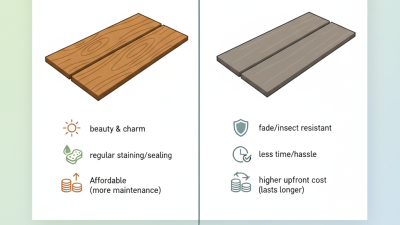
Material is another critical factor. Wood, resin, and metal each offer unique benefits. Wood provides aesthetics but requires maintenance. Resin is durable and low-maintenance, while metal offers security. It’s important to reflect on your needs and the environment the shed will face. For example, harsh weather can damage wood quickly.
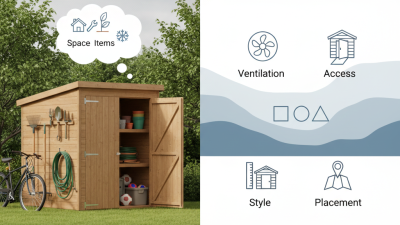
Tip: Consider ventilation. Proper airflow prevents dampness and mildew. Over time, neglecting ventilation can lead to unpleasant surprises. Also, think about accessibility. Wide doors and good height make organizing easier. Sometimes, it’s worth spending a little more for convenience.
Assessing Material Durability and Weather Resistance
When choosing an outdoor storage shed, material durability and weather resistance are crucial. Different materials offer varying levels of protection against the elements. Wood is often appealing due to its aesthetic charm but can rot without proper treatment. Metal sheds provide robust security but may rust if not coated correctly. Plastic is lightweight and resistant to dents, yet extreme temperatures can affect its longevity.
Consider the climate in your area. In humid environments, materials like metal require additional coatings to resist moisture. For places with heavy snowfall, sturdy materials that can bear weight are essential. Think about your storage items, too. If you store sensitive equipment, insulation may be necessary.
Tips: Choose treated wood or a composite for better weather resistance. Inspect metal sheds for rust frequently. Always select a shed with a sloped roof design. This helps rain and snow slide off, preventing weight build-up. Remember, choosing the right material is an investment in durability and long-term stability.
2026 How to Choose the Best Outdoor Storage Shed for Your Needs? - Assessing Material Durability and Weather Resistance
| Material |
Durability (Years) |
Weather Resistance |
Maintenance Level |
Cost Range ($) |
| Wood |
15-20 |
Moderate |
High |
500-1500 |
| Metal |
20-30 |
High |
Low |
800-2000 |
| Plastic |
10-15 |
Moderate |
Very Low |
300-800 |
| Composite |
15-25 |
High |
Low |
600-1700 |
Budgeting for Your Outdoor Storage Shed Purchase
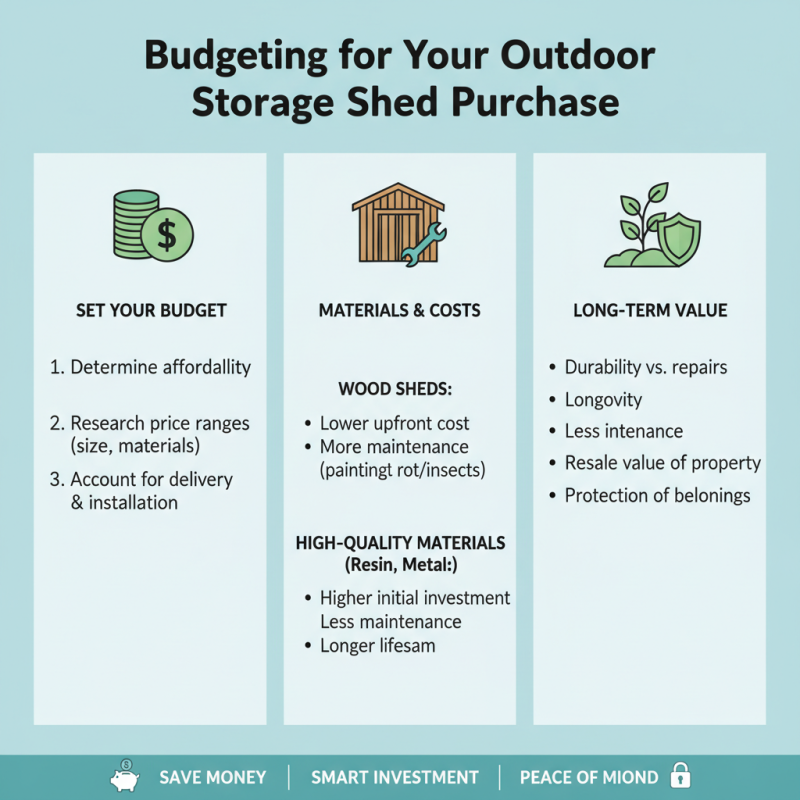
When budgeting for an outdoor storage shed, setting a clear budget is essential. Determine how much you can afford before shopping. Prices can vary significantly based on size, materials, and features. A simple wooden shed may cost less upfront but may require more maintenance. Consider the long-term expenses. High-quality materials might be a bigger initial investment but could save money on repairs later.
Consider additional costs, such as delivery and installation fees. Some sellers offer free delivery, while others charge extra. These fees can affect your overall budget. Don't forget about permits, if required in your area. Research local regulations to avoid unexpected expenses. Reflect on these aspects before making a final decision.
As you plan your budget, think about how you will use the shed. Will it store gardening tools or outdoor furniture? This consideration can influence size. A larger shed may seem tempting, but it can also stretch your budget. Consider your actual needs carefully. Balancing desire and necessity is crucial in this process.