How to Choose the Best Outdoor Decking Options for Your Project?
Choosing the right outdoor decking is essential for enhancing your outdoor space. According to a report by IBISWorld, the outdoor decking industry has experienced steady growth, with a market size of over $7 billion. This growth indicates a rising demand for quality materials that blend aesthetics and durability.
When selecting outdoor decking options, consider factors like material, climate, and maintenance needs. Wood, composite, and PVC are popular choices, each offering unique benefits. For instance, composite decks can last up to 25 years with minimal maintenance, while traditional wood decks may require more upkeep. Research by the National Association of Realtors shows that well-designed outdoor spaces can yield a return on investment of up to 70%.
It’s important to acknowledge potential downsides. Cost variations can be substantial, and some materials may fade over time. Budget constraints might limit choices, leading to compromises on quality or style. Careful evaluation of your project’s requirements will lead to a more satisfying outcome. Prioritizing durability and aesthetic appeal will greatly enhance the functionality of your outdoor decking space.
Factors to Consider When Selecting Outdoor Decking Materials
Choosing the right outdoor decking materials is crucial for your project. Start by considering the climate in your area. If you live in a region with heavy rainfall, you may need materials that resist moisture. Conversely, in sunny areas, UV resistance becomes vital. It’s essential to match the material’s properties with the weather conditions.
Another factor is maintenance. Some materials, like wood, require regular sealing and staining. Others, such as composite decking, need minimal upkeep. Think about how much time you want to invest. Will you be sanding and staining every other year? Or would you prefer a low-maintenance option?
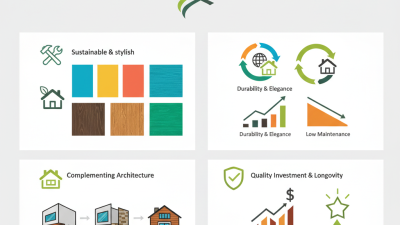
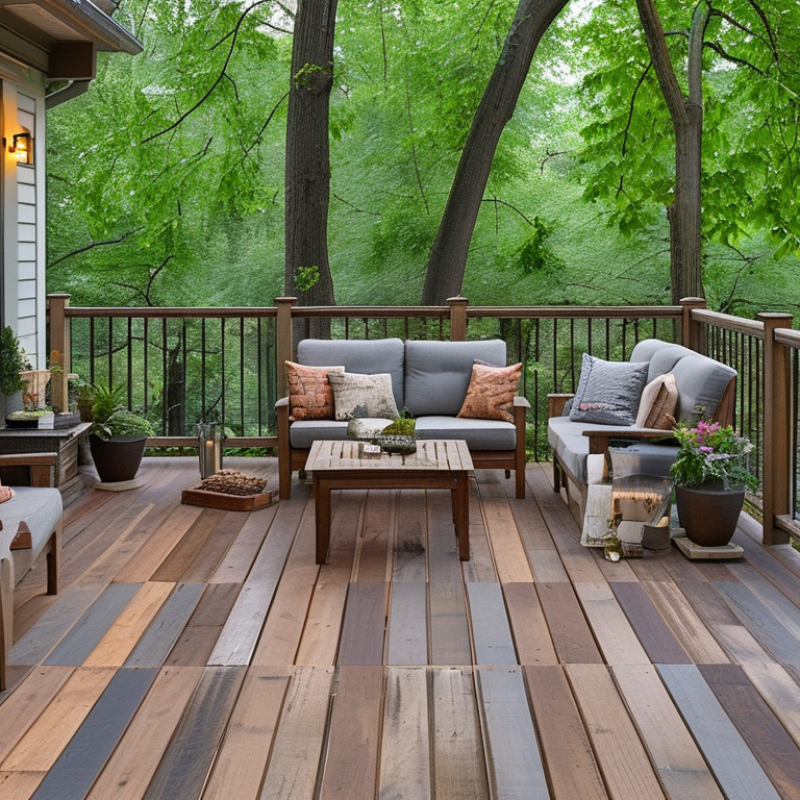
Aesthetics can’t be overlooked. The color, texture, and style of the decking should complement your home and landscape. Look at samples in different lighting. Imagine how they will look throughout the seasons. Remember, choosing decking isn't just about looks. Consider your lifestyle and how you will use the space. Reflect on these factors to make a more informed decision.
Comparison of Popular Outdoor Decking Options and Their Features
When selecting outdoor decking, understanding the various materials is crucial. Wood, composite, and PVC are three popular options. Each has unique features catering to different needs and preferences. For example, wood decking provides a classic look with warmth. However, it requires regular maintenance, including staining and sealing. A study by the American Wood Council shows that treated wood can last 15-20 years with proper care.
Composite decking is a blend of wood fibers and plastic. It offers durability and low maintenance, appealing to many homeowners. According to the Composite Builders Association, composite materials can last up to 30 years. They resist fading and require minimal upkeep, but can be more expensive upfront. Environmental concerns also arise as some composites are made from recycled materials.
PVC decking stands out for its water resistance and longevity. It's ideal for areas with high moisture. A report from the Plastic Lumber Institute states that PVC decking can last up to 50 years. However, its lifespan may lead consumers to reflect on its environmental impact. Choosing the right decking material involves weighing durability, aesthetics, cost, and environmental responsibility. Consideration of these factors can help achieve the best outcome for your outdoor space.
Understanding Climate Impact on Outdoor Decking Choices
When selecting outdoor decking, understanding the climate's impact is crucial. Different materials react uniquely to weather conditions. For instance, wood tends to expand and contract, which can lead to warping in humid environments. Studies show that composite decking can withstand moisture better. It's designed to resist fading and rotting, making it a reliable option for wet climates.
Temperature extremes also play a significant role in decking longevity. Research indicates that materials such as PVC can become brittle in freezing temperatures, while certain woods may splinter. An industry report suggests keeping regional climate patterns in mind. In hot, sunny areas, UV resistance becomes a priority. Ignoring this factor can result in a quick deterioration.
Meanwhile, sustainability issues deserve attention too. If ecological impact is a concern, consider materials with low carbon footprints. Reports indicate that bamboo is a compelling option due to its rapid growth and strength. However, the treatment process can introduce chemicals, raising questions about safety. Balancing durability, aesthetics, and environmental responsibility can be challenging. It’s essential to reflect on the priorities of your project.
Maintenance Requirements for Different Types of Outdoor Decking
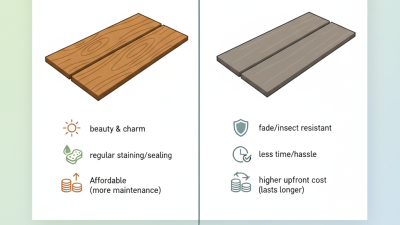
When selecting outdoor decking, maintenance is a crucial factor. Different materials require varying levels of upkeep. For instance, natural wood decks offer beauty but demand regular staining and sealing. The weather can quickly wear down untreated wood, leading to costly repairs. On the other hand, composite decking is designed to resist fading and does not need painting. However, it still requires periodic cleaning to prevent mold and mildew.
Plastic decking also shows promise for low maintenance. It withstands the elements well and doesn’t splinter. Yet, it can become slippery when wet. Choosing this option means planning for safe usage, especially in rainy conditions. Most composite and plastic options only require a good rinse with soap and a brush now and then.
While wood provides warmth and charm, it often requires more commitment. Reflect on your routine and willingness to maintain your deck. A beautiful deck is a long-term investment. Think about how often you spend time outdoors. This can guide your choice of material and maintenance expectation.
Maintenance Requirements for Different Types of Outdoor Decking
Budgeting for Your Outdoor Decking Project: Costs and Value
When considering outdoor decking, budgeting is crucial. Costs vary significantly based on materials and installation. Common choices include wood, composite, and PVC. Each option has a different price range. For example, natural wood can be less expensive upfront but may require more maintenance over time. Composite materials often come with higher initial costs, yet they promise durability and low upkeep.
While assessing your budget, don't forget to consider labor costs. Hiring professionals can be a large part of the total expense. If you’re keen on saving, you might opt for a DIY installation. However, this requires careful planning and some skill. Mistakes can lead to unnecessary expenses later. Always factor in additional costs like permits and accessories.
Remember, the value of your decking is not only in the material but also how it fits your lifestyle. Consider your long-term plans. Will the decking withstand local weather conditions? Will it enhance your home’s value? Reflecting on these questions helps create a better budget and leads to a more satisfying outcome.