China Best Moisture Proof Cladding Options for Your Home Improvement Needs?
When considering home improvement, selecting the right materials is crucial. Among these, moisture-proof cladding stands out as a dependable option. It protects your home from water damage and enhances durability. Understanding the best moisture-proof cladding options available in China can help you make informed decisions.
Moisture-proof cladding is not only functional but also aesthetically pleasing. Many homeowners seek options that combine performance with style. There are various materials, such as vinyl, fiber cement, and treated wood. Each option has its pros and cons, which may confuse some. Evaluating them based on your specific needs is essential.
Choosing the right moisture-proof cladding involves weighing factors like cost, maintenance, and installation ease. It’s easy to overlook these aspects in the excitement of a home renovation. However, taking the time to reflect on your choices will lead to a more satisfying outcome. The right cladding can transform your living space, making it both beautiful and resilient against moisture.
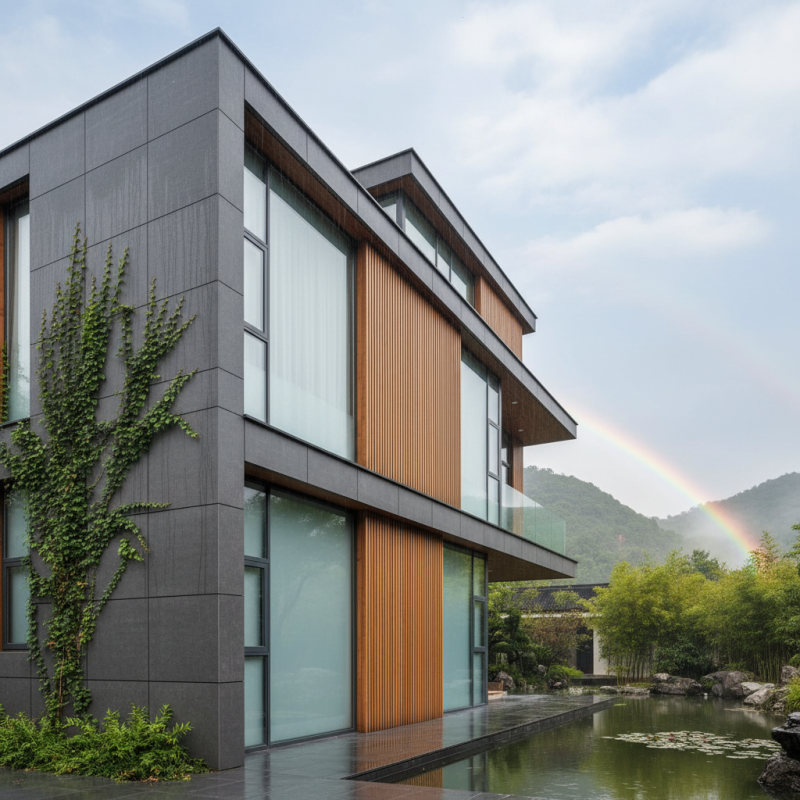
Overview of Moisture Proof Cladding Options Available in China
When considering moisture proof cladding options in China, there are several materials to explore. Many homeowners prefer vinyl siding due to its lightweight and durable properties. It is resistant to moisture and helps to prevent mold growth. Another option is fiber cement, known for its strength and durability. It can withstand harsh weather conditions, making it ideal for varied climates.
For those seeking an eco-friendly solution, consider wood composite cladding. This material is made from recycled wood and plastic fibers, offering both sustainability and moisture resistance. However, it's essential to protect it with a good sealant to maintain its integrity over time.
**Tips:** Regular maintenance is key. Check for any signs of wear or damage. Clean the cladding regularly to prevent moisture buildup. Additionally, ensure proper installation to minimize gaps where moisture can enter. This can save you from costly repairs in the future. Always research local manufacturers to find reliable sources for your materials.
Key Materials Used for Moisture Resistant Cladding in Home Renovation
When considering moisture-resistant cladding for home renovations, several key materials stand out. According to the 2021 Building Materials Safety Report, fiber cement is recognized for its resilience against moisture. It expands and contracts with temperature changes, preventing cracks. This adaptability makes it a favorite among homeowners in humid regions.
Vinyl siding is another popular option. It's lightweight and does not absorb water, making it an ideal choice for moisture-rich environments. The U.S. Department of Housing reports that homes clad with vinyl reduce moisture-related issues by 40%. However, it's essential to select high-quality vinyl to ensure longevity and appearance.
**Tips:** Always check for moisture ratings on materials. Choosing improperly rated materials can lead to persistent water damage. Regular inspections of your cladding can help identify problems early. If cladding fails to perform, you may face costly repairs.
Another material to consider is treated wood. Treated wood lasts longer against moisture exposure. However, it can require more maintenance than other options. The Environmental Protection Agency advises maintaining treated wood every few years. Not doing so may result in decay and structural issues. Evaluate your climate and usage needs when choosing materials.
Moisture Resistant Cladding Materials Comparison
Benefits of Using Moisture Proof Cladding for Home Preservation
Moisture proof cladding plays a vital role in home preservation. It shields your home from moisture damage. According to the World Health Organization, damp environments can increase the risk of respiratory issues. This highlights the need for effective moisture control.
Using moisture proof cladding can enhance your home's durability. A report from the American Society of Home Inspectors states that moisture-related problems account for about 20% of all homeowner complaints. With proper cladding, homeowners can mitigate these issues and decrease potential repair costs.
Furthermore, the insulation properties of moisture proof cladding help in maintaining indoor temperature. This not only improves comfort but also contributes to energy savings. However, the initial investment can be higher than traditional cladding. Homeowners should weigh these factors carefully. Making informed decisions is essential for long-term benefits.
China Best Moisture Proof Cladding Options for Your Home Improvement Needs
| Material Type |
Water Resistance Rating |
Durability (Years) |
Thermal Insulation (R-Value) |
Cost per Square Meter ($) |
| Vinyl Siding |
High |
20+ |
R-3 |
15-25 |
| Fiber Cement |
Very High |
50+ |
R-2.5 |
30-50 |
| Metal Cladding |
Moderate |
40+ |
R-1 |
25-40 |
| Wood Composite |
High |
30+ |
R-2 |
20-35 |
| Stucco |
Moderate |
50+ |
R-2 |
15-30 |
Comparative Analysis of Traditional vs. Modern Moisture Proof Cladding
When considering moisture-proof cladding, the choice between traditional and modern options is crucial. Traditional cladding materials, like wood and stucco, have stood the test of time. They offer aesthetic value and a natural appearance. However, they often require regular maintenance and are more susceptible to moisture damage. Wood joints can rot. This might lead to structural issues if overlooked.
On the other hand, modern cladding solutions, such as fiber cement and vinyl, boast higher durability. They are engineered to resist moisture and withstand harsh weather conditions. These materials require much less maintenance. Installation is typically quicker and cleaner, saving both time and labor costs. Yet, this technology can feel artificial, lacking the charm of natural materials.
Choosing the right option hinges on personal priorities. Some homeowners crave the classic look, accepting the risk of increased upkeep. Others favor the low-maintenance, sleek modern designs. It's important to weigh these factors carefully. An informed decision will enhance your home's longevity and comfort, ensuring it remains resilient against moisture challenges.
Installation Tips for Optimal Performance of Moisture Proof Cladding
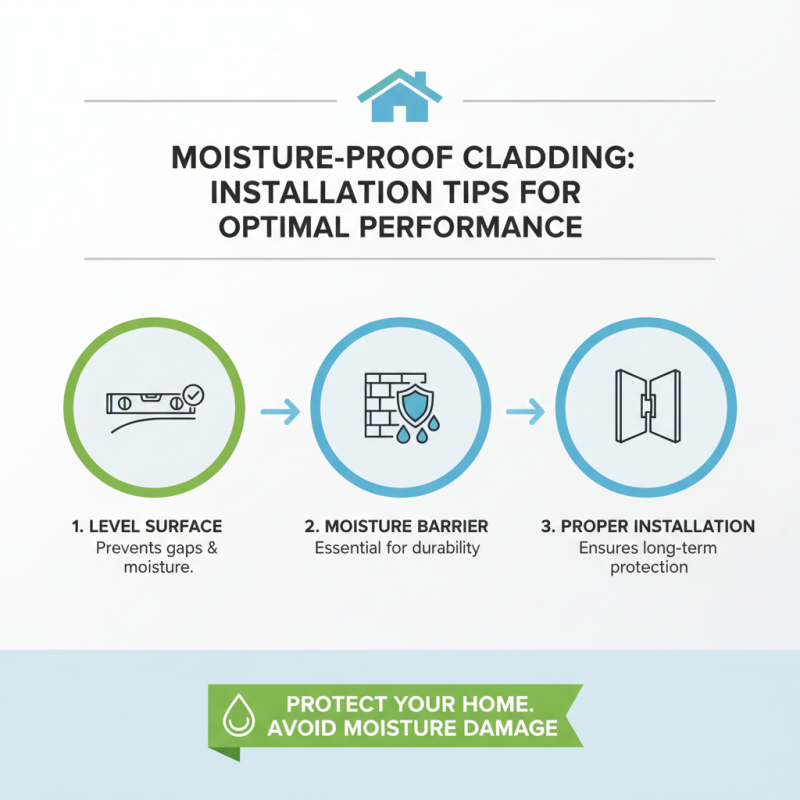
When considering moisture-proof cladding for your home, proper installation is crucial. Start by ensuring a level surface. Uneven surfaces can lead to gaps and moisture entry. Use a moisture barrier to prevent water from seeping behind your cladding. This step might seem tedious, but it is essential for durability.
Next, pay attention to the spacing between panels. An improper gap can result in water buildup, which may compromise the integrity of your cladding over time. Use clips or spacers to maintain uniformity. Remember to leave a small gap at the bottom of each panel to allow for drainage. Small details like this can significantly impact the performance of your cladding.
Lastly, always refer to professional guidelines during installation. Each type of cladding material may have unique requirements. Ignoring these specifics can lead to unnecessary repairs down the line. Ensure you have the right tools at hand before starting. Small oversights can become costly if not addressed early. Reflecting on these tips can help you achieve better results with your moisture-proof cladding.