How to Choose the Best Outdoor Storage Shed for Your Needs in 2026
Choosing the right outdoor storage shed is a crucial decision in 2026. With the growing variety of designs and materials, it can feel overwhelming. An outdoor storage shed protects your outdoor equipment and adds aesthetic value to your yard. However, not every shed fits every need.
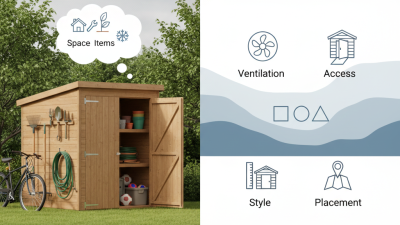
Consider your specific requirements when selecting one. Think about what you plan to store. Will it be gardening tools, bicycles, or furniture? Your shed's size and materials must accommodate these items. Additionally, the location of your shed impacts its functionality. Ensure it is easily accessible yet complements your landscape.
Reflecting on these factors ensures you make an informed choice. An outdoor storage shed should not just be a simple purchase; it’s an investment in your home’s organization and appearance. Take your time to evaluate your options. The right choice can elevate your outdoor experience.
Selecting the Right Size for Your Outdoor Storage Shed
Choosing the right size for your outdoor storage shed is crucial. A well-sized shed can enhance organization and accessibility. According to the Outdoor Power Equipment Institute, a shed that is too small can lead to clutter. On the other hand, an oversized shed wastes space and resources.
Consider what you plan to store. A 6x8 feet shed can fit gardening tools and lawn equipment. However, if you need space for large items like bicycles or seasonal decorations, a larger 10x12 feet option might be necessary. The American Society of Landscape Architects suggests evaluating your current and future storage needs.
Keep in mind the potential for expansion. Many homeowners regret not planning for growth. A shed that meets current needs may quickly feel cramped as your storage requirements evolve. Taking a moment to measure your space accurately can prevent future frustrations. You may want to sketch a layout to visualize how items will fit. Balancing immediate needs with future possibilities is key to making the right choice.
Choosing the Right Size for Your Outdoor Storage Shed in 2026
Evaluating Different Shed Materials: What to Consider
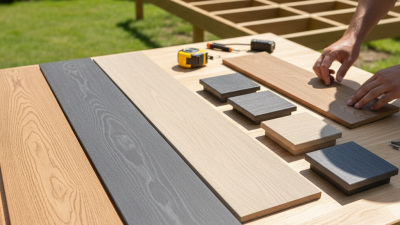
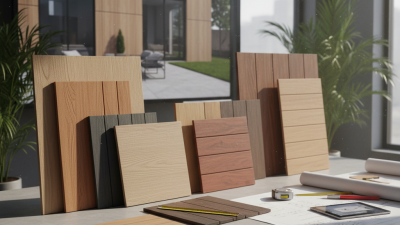
When choosing an outdoor storage shed, the material plays a crucial role. Wood, metal, and plastic are the three primary options. Each has distinct advantages and drawbacks. For example, wood sheds offer great aesthetics and can blend well into garden landscapes. However, they require regular maintenance to prevent rot and insect infestations. A study from the National Association of Home Builders suggests that wood sheds can last around 15 to 20 years if properly cared for.
Metal sheds, on the other hand, are known for their durability and security. They can withstand harsh weather conditions. Yet, they are prone to rust if not treated correctly. According to the American Iron and Steel Institute, metal storage solutions maintain their structural integrity well beyond two decades when maintained. But, they provide limited insulation, which can lead to issues in extreme temperatures.
Plastic sheds are gaining popularity due to their lightweight and rust-resistant properties. They require minimal upkeep and are typically easy to assemble. However, their strength might not match that of metal or wood. A recent report from the Outdoor Storage Association indicates that plastic sheds retain value over time. Yet, some users find them less visually appealing. Each material has its place, and the best choice depends on personal needs, budget, and climate considerations. Reflecting on these elements can lead to a more informed decision.
How to Choose the Best Outdoor Storage Shed for Your Needs in 2026 - Evaluating Different Shed Materials: What to Consider
| Material |
Durability |
Cost (per square foot) |
Maintenance |
Weight |
Weather Resistance |
| Wood |
High |
$30 - $50 |
High |
Medium |
Moderate |
| Metal |
Very High |
$20 - $40 |
Low |
Heavy |
High |
| Vinyl |
High |
$25 - $45 |
Very Low |
Light |
Very High |
| Composite |
Moderate |
$25 - $55 |
Low |
Medium |
High |
Exploring Shed Styles: Aesthetic and Functional Options
When choosing an outdoor storage shed, aesthetics and functionality are crucial. Various styles cater to different needs.
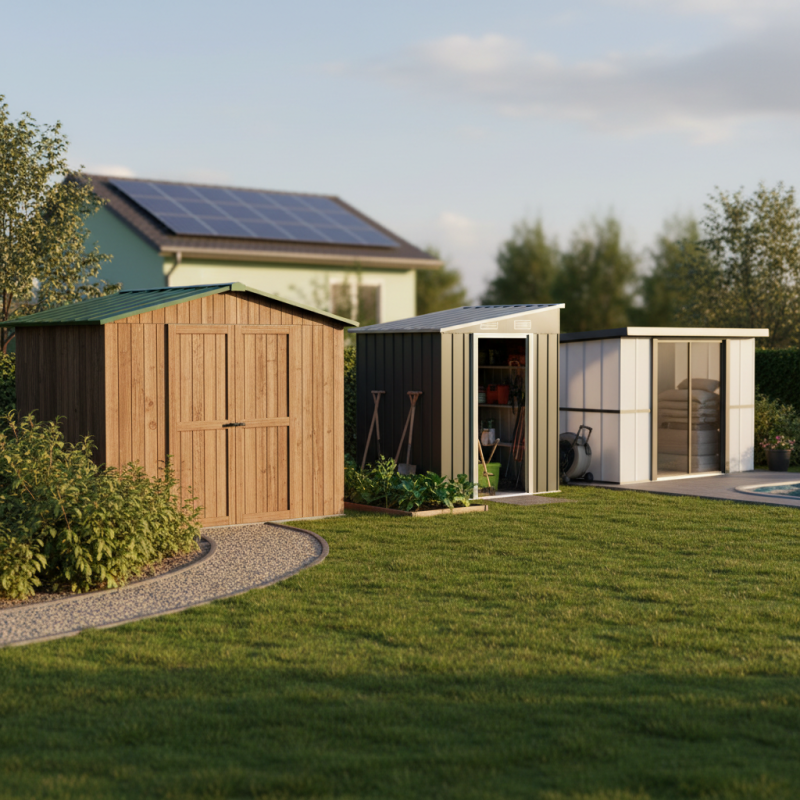
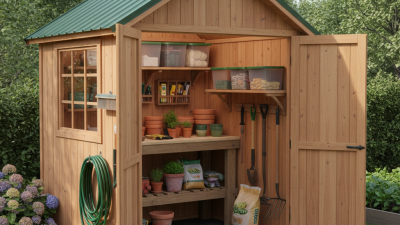
Traditional wooden sheds offer a rustic appeal, blending well with gardens. They can be painted or stained to match your home.
Metal sheds are durable and often require little maintenance, making them practical for harsh climates.
Resin sheds are lightweight and resistant to rot, but their appearance may not suit every setting.
Tip: Consider the color scheme and materials of your home when selecting a shed. A cohesive look boosts your home's curb appeal.
Another aspect is size. Think about what you plan to store. A smaller shed suffices for garden tools.
However, if you need to store bicycles or larger equipment, opt for a spacious option.
Overcrowding a shed leads to chaos and can damage items.
Tip: Make a list of necessary items before purchasing to avoid impulse decisions.
It's better to invest in a shed that fits your specific needs rather than settling for a trendy option that may fall short.
Budgeting for Your Outdoor Storage Shed: Cost Considerations
When planning to buy an outdoor storage shed, budgeting is crucial. According to recent industry reports, the average cost of a quality shed ranges from $1,000 to $3,000. This price often varies based on materials and size. Wood sheds tend to be more expensive, while metal or resin options offer a budget-friendly alternative. However, cheaper materials may require more maintenance over time. It's essential to weigh initial savings against long-term durability.
Consider additional expenses in your budget. Delivery and installation fees can add $100 or more to your overall cost. Some homeowners overlook the need for a foundation, which can range from $200 to $800, depending on size and location. This can lead to unexpected costs later. Understanding the full scope of expenses can prevent financial strain down the line.
Engaging with DIY resources can also be beneficial. Building your own shed can lower costs significantly, but it requires time and skill. Evaluate whether you have the necessary tools and knowledge before embarking on this journey. A lack of experience may lead to mistakes, ultimately increasing costs. Balancing your budget with a realistic assessment of your capabilities is key.