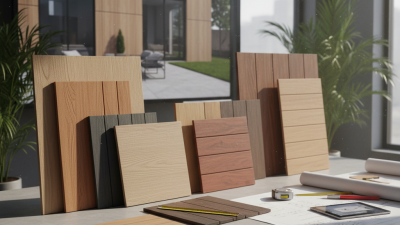
Top 5 Benefits of Using WPC Material for Your Projects?
In the evolving construction industry, WPC material (Wood Plastic Composite) is gaining recognition for its versatility and durability. According to Dr. Emily Carter, a renowned expert in sustainable building materials, "WPC material bridges the gap between performance and environmental responsibility." Her insight underscores the growing trend towards eco-friendly solutions in modern construction.
WPC material offers numerous benefits that can enhance any project. Its resistance to weathering ensures longevity, making it ideal for outdoor applications. Additionally, WPC’s low maintenance requirements attract many homeowners and builders alike. The aesthetic appeal of this composite is another crucial factor, as it mimics natural wood without the drawbacks.
However, it's essential to note that not all WPC products are created equal. Variability in quality exists, and some may not perform as expected. Choosing the right supplier is critical to avoid potential pitfalls. A thoughtful approach will maximize the advantages of WPC material while minimizing drawbacks, ensuring projects are both sustainable and presentable.
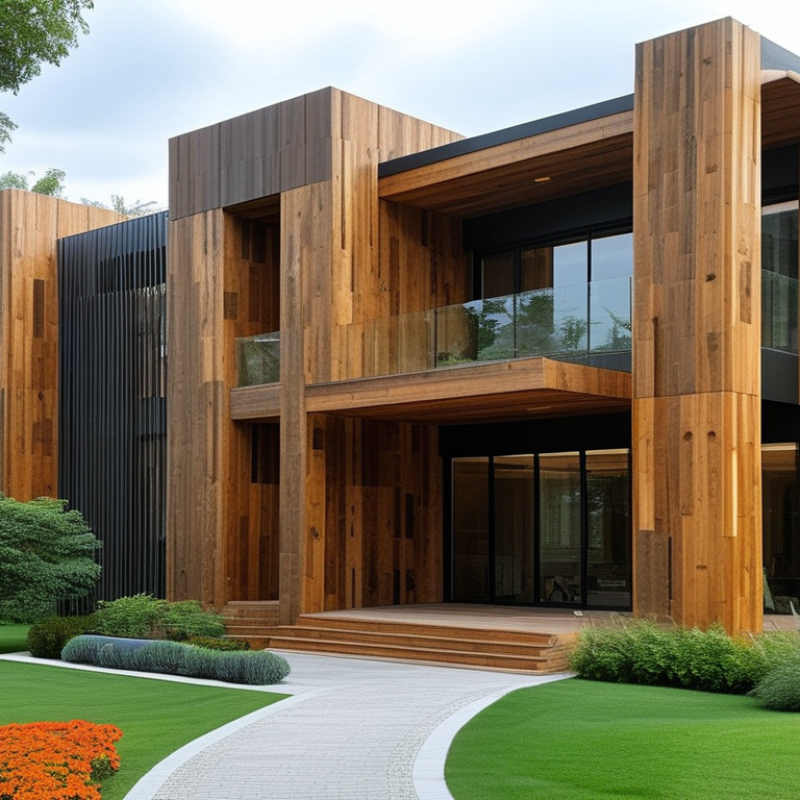
Benefits of WPC Material: Understanding Its Composition and Durability
WPC, or wood-plastic composite, is gaining traction in construction and design projects. This material blends wood fibers and thermoplastics, resulting in durable and versatile products. According to a report by Markets and Markets, the WPC industry is projected to grow at a rate of 11.5% annually, reflecting its rising popularity due to its sustainable composition and performance.
One notable aspect of WPC is its impressive durability. Research shows that WPC offers superior resistance to decay, insects, and moisture. This makes it a preferred choice for outdoor applications, including decking and fencing. A study conducted by the International Journal of Plastic Engineering highlighted that WPC can withstand harsh weather conditions better than traditional wood. This durability reduces the frequency of replacements.
However, WPC does have its limitations. Some users report that its surface can become slippery when wet, which raises safety concerns. Additionally, while the material is eco-friendly, improper disposal can lead to environmental issues. Understanding these factors is vital when considering WPC for your projects. Quality control and proper usage are paramount to harnessing its full benefits effectively.
Environmental Impact of WPC: Sustainable Choice in Construction Projects
WPC, or wood-plastic composite, is gaining traction in construction for its sustainable characteristics. It combines plastic and wood fibers, creating a durable and eco-friendly material. The production process reduces waste, as it utilizes recycled plastics and wood scraps. This not only minimizes landfill use but also conserves natural resources.
One major consideration is sourcing. While WPC is marketed as sustainable, the quality of plastic can vary. Not all recycled materials are created equal. It's essential for project designers to research the origins of the materials they choose. Misleading marketing can lead to choices that don’t truly benefit the environment.
WPC's longevity is another factor. It resists mold, rot, and insects, reducing the need for chemical treatments. This supports a healthier environment. However, some may argue that its manufacturing can still involve processes that are not energy-efficient. Continuous improvement is needed to enhance its sustainability. Evaluating both the benefits and drawbacks of WPC ensures a more informed choice in construction projects.
Cost-Effectiveness of WPC: Long-Term Savings on Maintenance and Replacement
Wood-Plastic Composite (WPC) materials are changing the landscape of construction and outdoor projects. The cost-effectiveness of WPC is one of its standout features. Recent industry reports indicate that WPC can reduce maintenance costs by up to 40% over a period of 25 years compared to traditional materials. This leads to significant long-term savings, especially for projects such as decking and fencing.
One major advantage of WPC is its resistance to decay and pests. Unlike natural wood, WPC doesn’t warp or splinter. A recent study from the National Association of Home Builders revealed that homeowners experience about 50% fewer replacements and repairs when using WPC. However, some may argue about its initial higher cost compared to wood. While the upfront investment could be a concern, the potential savings on maintenance start to add up quickly.
Moreover, WPC’s durability makes it suitable for various climates. It withstands moisture, UV rays, and insects better than traditional materials. Yet, it’s crucial to consider installation quality. Poor installation can negate these benefits. Thus, investing in skilled labor is essential for maximizing WPC’s advantages. The overall reliability of WPC in diverse environments supports its growing popularity in construction.
Versatility of WPC: Applications in Decking, Fencing, and Landscaping
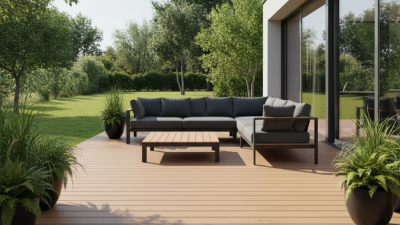
WPC, or wood-plastic composite, has gained popularity for various applications, particularly in decking, fencing, and landscaping. The versatility of WPC material stems from its unique combination of wood fibers and recycled plastic. This blend offers durability without compromising aesthetic appeal. According to a recent industry report, the global WPC market is projected to reach USD 7.6 billion by 2027, highlighting its growing acceptance in outdoor applications.
In decking, WPC provides a slip-resistant surface that withstands harsh weather conditions. Its low maintenance needs make it appealing to homeowners. Studies indicate that WPC decking has a lifespan of 25 to 30 years, significantly longer than traditional wood. This longevity reduces the frequency of replacements, leading to less waste and lower overall costs.
When it comes to fencing, WPC offers enhanced privacy without the warping or splintering found in wood. It can mimic the look of traditional wood while being resistant to pests. However, it’s essential to consider color fading over time. Landscape applications often use WPC for planters and garden furniture, adding a modern touch. While WPC is a fantastic material, it's crucial to select the right finish to ensure optimal durability. Adaptability is vital, but some applications may not showcase the sustainability benefits fully. Reflecting on these factors is essential for long-term project success.
Top 5 Benefits of Using WPC Material for Your Projects
Aesthetic Appeal of WPC: Variety of Colors and Finishes for Design Flexibility
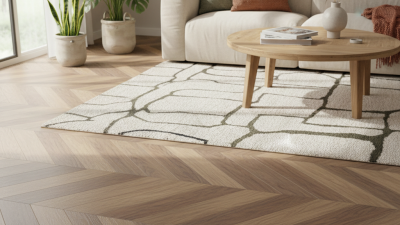
WPC, or Wood-Plastic Composite, is gaining popularity in design projects. Its aesthetic appeal is one of the key reasons. The variety of colors and finishes offers extensive design flexibility. Homeowners and designers alike appreciate the chance to mix and match hues. This allows for unique, personalized spaces that can stand out.
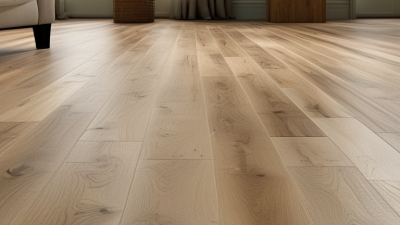
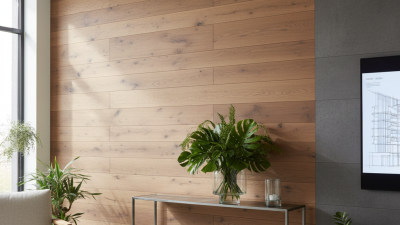
For instance, WPC materials come in shades like rich browns, warm grays, and deep blacks. The look can mimic natural wood, giving a classic feel. Alternatively, vibrant colors can create a modern aesthetic. The surface finishes vary from smooth to textured, providing additional options. These choices enable designers to express individual styles more freely.
However, it’s important to consider some challenges. Not all WPC products maintain their appearance over time. Some colors might fade due to intense sunlight exposure. This can influence long-term satisfaction with the chosen design. Careful selection of materials is essential, emphasizing durability alongside aesthetics. In this evolving field, continuous research can lead to better choices, enhancing both beauty and performance in any project.
Top 5 Benefits of Using WPC Material for Your Projects
| Benefit |
Description |
Aesthetic Appeal |
Color Options |
Finish Styles |
| Durability |
Resistant to moisture, rot, and insect damage. |
Modern and sleek look enhances overall design. |
Available in various natural and vibrant colors. |
Available in matte, gloss, and textured finishes. |
| Low Maintenance |
Requires minimal upkeep compared to traditional wood. |
Stylish design options to match any theme. |
Custom colors to fit specific project needs. |
Variety of finishes to choose from. |
| Eco-Friendly |
Made from recycled materials, reducing waste. |
Contemporary aesthetic that appeals to modern sensibilities. |
Earthy tones to complement natural surroundings. |
Sustainable finishes that maintain color over time. |
| Versatility |
Suitable for various applications including decking, fencing, and furniture. |
Elegant designs for both indoor and outdoor usage. |
Options for customizing color palettes. |
Finish options that enhance durability and beauty. |
| Safety |
Slip-resistant surface ideal for various environments. |
Sleek appearance that doesn't sacrifice safety. |
Can be painted to better suit aesthetic requirements. |
Available in various textures for design adaptability. |