2026 Top WPC Wall Paneling Trends for Global Buyers?
As the demand for sustainable building materials grows, WPC Wall Paneling stands out as a top choice for modern construction. Industry expert Dr. Emily Johnson, a renowned authority in eco-friendly design, asserts, “WPC Wall Paneling not only enhances aesthetics but also offers durability.” This statement highlights the dual benefits of this innovative material, appealing to both environmental concerns and practical needs.
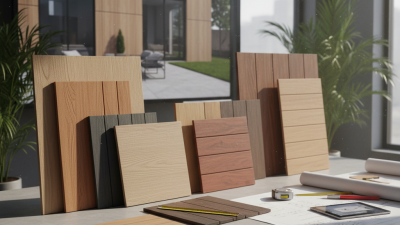
The 2026 trends in WPC Wall Paneling are poised to shape the future of interior and exterior design for global buyers. A push towards sustainable options will influence color choices, textures, and styles. Buyers can expect to see a shift towards natural finishes that mimic wood. The emphasis on easy installation and maintenance remains a crucial factor as well. Many homeowners seek projects that deliver both beauty and longevity.
Moreover, the journey to finding the right WPC Wall Paneling is replete with options. Buyers often face a barrage of choices and specifications. Not every product will meet every requirement. Reflecting on these complexities can help buyers make informed decisions. Ultimately, the advancements in WPC Wall Paneling offer great promise, yet navigating this landscape demands careful consideration.
Emerging Materials and Technologies in WPC Wall Paneling for 2026
The world of wood-plastic composite (WPC) wall paneling is evolving rapidly as we approach 2026. Emerging materials offer durability and aesthetic appeal. Bamboo fiber, a sustainable alternative, is increasingly used for its strength and eco-friendliness. It can be combined with traditional plastics to enhance resilience against moisture and pests.
Innovative technologies are changing the way WPC panels are manufactured. Extrusion methods have become more precise. This precision ensures uniformity in size and texture. Additionally, 3D printing is gaining traction. It allows for custom designs that cater to specific architectural needs. Homeowners desire unique looks; this technology meets that demand directly.
However, some challenges remain. Not every new material proves effective in all climates. Research is ongoing to understand long-term durability. Buyers must be cautious when choosing suppliers. Ensuring that manufacturers adhere to quality standards is crucial. It is essential to balance innovative features with reliability for lasting results.
2026 Top WPC Wall Paneling Trends for Global Buyers
| Trend |
Emerging Material |
Technology |
Sustainability Feature |
| Natural Aesthetics |
Bamboo-Fiber Composite |
3D Printing Technology |
Biodegradable Components |
| Customization Options |
Recycled Plastic |
CNC Machining |
Low Carbon Footprint |
| Smart Wall Solutions |
Wood-Plastic Composite (WPC) |
IoT Integration |
Energy Efficiency |
| Textured Finishes |
Hemp-Based Composite |
Laser Engraving |
Sourced from Renewable Materials |
| Acoustic Panels |
Cork Composites |
Soundproofing Technology |
Recyclability |
Top Color and Design Trends for WPC Wall Panels in Global Markets
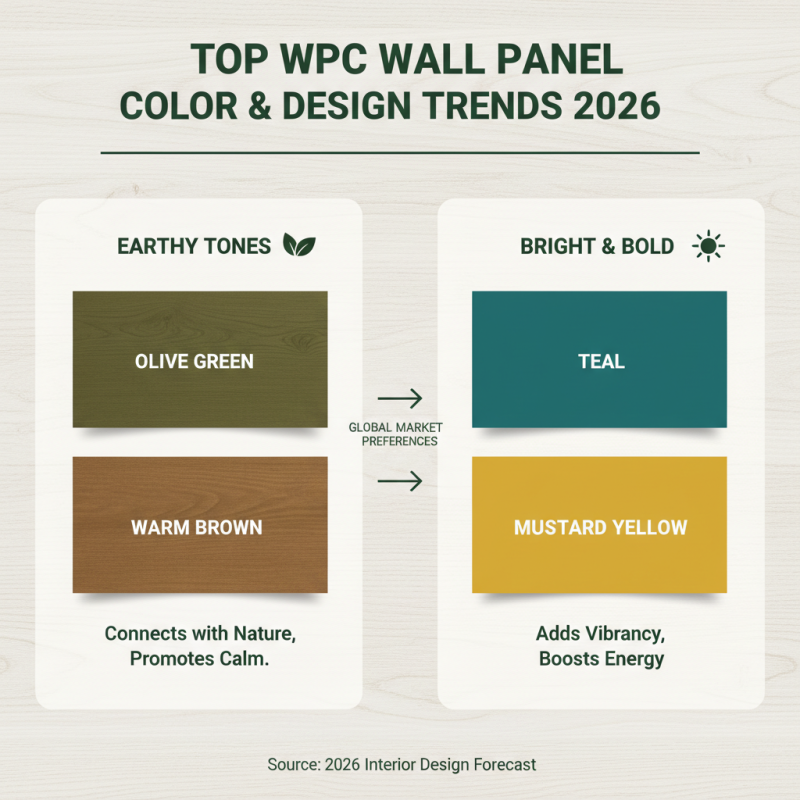
As we look ahead to 2026, WPC wall paneling trends are evolving rapidly. Buyers must pay attention to color palettes that reflect current global preferences. Earthy tones, such as olive greens and warm browns, are gaining traction. These colors connect interiors with nature, promoting a sense of calm and serenity. Bright, bold shades like teal and mustard yellow are also making waves, adding vibrancy and energy to spaces.
Design-wise, texture is crucial. Panels that mimic natural wood grain or stone finishes are highly sought after. This trend enhances the authenticity of materials while adding depth to wall aesthetics. Geometric patterns are also popular, offering a modern twist to traditional designs. However, it’s essential to find balance. Too many colors or designs can overwhelm a space. The challenge lies in curating a cohesive look that reflects personal style yet remains inviting.
Global buyers need to remain mindful of sustainability in their choices. WPC materials, while versatile, should prioritize eco-friendly production methods. There’s a risk if materials don’t align with sustainability goals. Selecting panels that meet environmental standards is essential. Keep an eye on emerging trends, but ensure they match your brand values and consumer expectations.
Sustainability Practices Influencing WPC Wall Paneling Trends
Sustainability is a crucial factor shaping the trends in WPC wall paneling. As more consumers become eco-conscious, there's a rising demand for sustainable materials. According to a report by the World Resources Institute, the global sustainable building materials market is expected to reach $610 billion by 2025. This shift reflects a broader trend towards greener products. WPC, or wood-plastic composites, are popular due to their reduced environmental impact. They utilize recycled materials, such as plastic waste and wood fibers, which help divert these from landfills.
Many manufacturers are now focusing on eco-friendly production methods. Practices include using non-toxic adhesives and optimizing energy use in factories. Industry data shows that WPC products can reduce carbon emissions by up to 70% when compared to traditional materials. Buyers should seek products certified by recognized environmental standards to ensure their choices support sustainability.
Tip: When selecting WPC wall panels, review certifications to verify their eco-friendliness. This step is crucial for ensuring that your choice aligns with sustainable practices.
Moreover, be wary of misleading green claims. Some products may exhibit “greenwashing,” which presents a false image of sustainability. Always research and verify the sourcing and production methods before making a purchase. Doing so ensures you contribute to a more sustainable future while enhancing your space aesthetically.
Tip: Engage with suppliers who are transparent about their materials and processes. Transparency builds trust and helps you make informed decisions.
2026 Top WPC Wall Paneling Trends for Global Buyers
This chart illustrates the projected popularity of various WPC wall paneling trends influenced by sustainability practices for the year 2026. The data highlights the most significant trends among global buyers, emphasizing the increasing importance of eco-friendly materials.
Market Insights: Consumer Preferences in WPC Wall Paneling
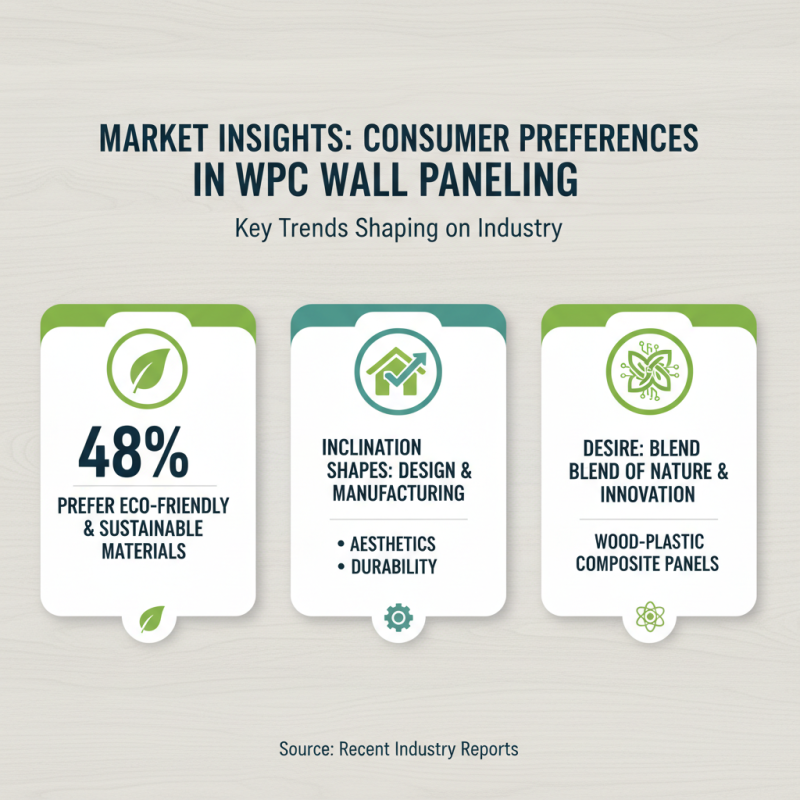
The WPC (wood-plastic composite) wall paneling market is witnessing significant changes. According to recent industry reports, around 48% of consumers prefer eco-friendly and sustainable materials. This inclination is shaping the design and manufacturing processes of WPC panels. Preferences lean towards products that combine aesthetics with durability, offering a blend of nature and innovation.
Research indicates that 32% of buyers prioritize low maintenance in their wall paneling choices. This preference drives manufacturers to develop solutions that minimize upkeep and resist environmental wear. Additionally, 25% of consumers are drawn to customizable options, allowing them to tailor designs to their specific needs. This trend reflects a broader desire for personalization in home improvement projects.
As the market evolves, challenges remain. Many consumers still lack awareness of the benefits of WPC over traditional materials. This gap represents an opportunity for education and promotion. There is also a need for improvement in the consistency of product quality across different suppliers. Understanding these preferences and challenges can guide future product development.
Innovative Applications of WPC Wall Panels in Architecture and Design
WPC wall panels are making waves in architecture and design. They blend aesthetics with sustainability, appealing to modern buyers. According to a recent market report, the WPC panel market is projected to reach $10 billion by 2026, highlighting their rising popularity.
Innovative applications of WPC panels expand their potential in various settings. For instance, some architects use these panels for unique facades that enhance thermal insulation. Additionally, WPC boards are utilized in interior design, offering versatility for walls, ceilings, and even furniture. Their resistance to moisture makes them ideal for bathrooms and kitchens.
Tips: Consider using lighter colors to create an illusion of space. Patterns can add texture and depth. It’s essential to ensure proper installation; otherwise, panels might warp over time. As the demand for eco-friendly materials increases, WPC panels will likely continue evolving. The industry must address concerns around durability and aesthetics, as consumers seek both beauty and functionality in design choices.