2026 Best Cladding Panels for Global Buyers to Consider
As the construction industry evolves, the demand for Cladding Panels continues to rise. These panels play a crucial role in enhancing the aesthetic appeal and energy efficiency of buildings. Global buyers must consider various factors when selecting the best options available.
In 2026, several key trends are influencing the market. With increasing environmental concerns, sustainable materials are becoming more popular. However, not all options are equal in terms of durability and performance. Buyers often face a dilemma: balancing cost-efficiency with quality.
Cladding Panels can transform a building's exterior but require careful selection. Understanding the specific needs of each project is essential. The right choice can lead to long-term benefits, while poor decisions may result in costly repairs. Thus, making informed choices is critical for all stakeholders in the construction industry.
Overview of Cladding Panels in Global Market
Cladding panels have become essential in modern architecture. They provide insulation, aesthetic appeal, and protection from weather elements. Buyers worldwide are exploring various materials, including metal, wood, and composite options. Each material has its unique advantages and drawbacks. For instance, metal panels are durable but may require more maintenance over time.
The global cladding market is evolving. Sustainability is a growing concern, leading to a rise in eco-friendly materials. Many buyers now prioritize energy efficiency when considering cladding. This focus can influence the choice of materials and the overall design approach. However, it's crucial to balance aesthetic considerations with functional needs.
While exploring these options, it's imperative to consider regional climate influences. Some materials perform better under specific weather conditions. You might find that what works well in one area is less effective in another. This variability calls for careful research and evaluation on the part of the buyer. Investing time in understanding local needs can lead to more informed purchasing decisions.
Types of Cladding Panels Available in 2026
As we move towards 2026, the demand for innovative cladding panels continues to rise. Various options are available, reflecting advancements in design and sustainability. Among the most popular types are fiber cement panels. These offer durability and resistance to harsh weather, making them a reliable choice. They're also fire-resistant, adding an extra layer of safety to architectural projects.
Another noteworthy option is aluminum composite panels. They stand out for their lightweight nature and versatility. Architects can use them in various applications, including commercial buildings and residential homes. Their ability to reflect heat contributes to energy efficiency. However, as with any material, they may require specific care to maintain appearance and performance over time.
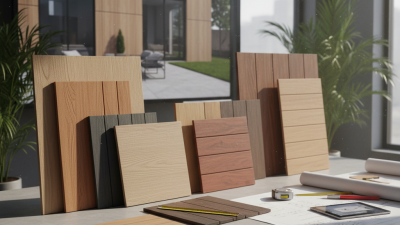
Wooden cladding is making a comeback, appealing for its natural aesthetic. While it can enhance beauty, it needs careful maintenance to prevent decay. It's crucial to select the right type of wood and treatment. Each choice has its pros and cons, and evaluating them is essential. As buyers consider these options, understanding the implications of each material's upkeep and long-term performance becomes important.
2026 Best Cladding Panels for Global Buyers to Consider
Key Factors to Consider When Choosing Cladding Panels
When selecting cladding panels, several key factors come into play. Material type is crucial. Wood, metal, and composites each offer unique benefits. Wood provides warmth, while metal is more durable. Composites can combine the best of both worlds. Consider the environment where these panels will be used. Different climates can affect the longevity and maintenance needs of the materials.
Aesthetic appeal matters too. The right cladding can enhance a building’s appearance. Colors and textures can vary greatly. This choice can also impact property value. Be mindful of the style you wish to achieve. Reflect on how the chosen design fits into the surrounding environment. It’s easy to overlook this.
Cost is another important factor. Budget constraints may limit options. However, remember that investing in high-quality materials can save money on maintenance in the long run. Take the time to research. Demand and supply variations can affect pricing. Embrace flexibility in choices, but remain aware of potential trade-offs. Balancing beauty, durability, and cost is a challenge worth tackling.
Top Manufacturers and Brands of Cladding Panels Worldwide
When selecting cladding panels, it's vital to consider the variety of top manufacturers and brands. These companies often prioritize durability and aesthetic appeal. Panels can significantly influence a building’s energy efficiency and overall design. Many manufacturers focus on sustainable materials, offering eco-friendly options. This reflects a growing trend in construction.
Exploring global brands reveals diverse offerings. Some are known for advanced technology, while others emphasize traditional craftsmanship. A thorough comparison is essential. Factors such as weather resistance, maintenance needs, and installation methods vary widely. Potential buyers should not overlook warranty options, as they indicate product reliability.
It’s important to recognize that not all brands meet the same standards. Quality can fluctuate, leading to unexpected issues. Prospective buyers should seek reviews and case studies to gauge past performance. Engaging with professionals for firsthand experiences often uncovers useful insights. This process requires time but is essential for making informed decisions.
2026 Best Cladding Panels for Global Buyers to Consider
| Material Type |
Thermal Insulation (R-value) |
Fire Resistance Rating |
Thickness (mm) |
Price Range (per sq ft) |
| Vinyl |
R-3.6 |
Class C |
20-25 |
$1.50 - $3.50 |
| Aluminium Composite |
R-2.0 |
Class A |
4-6 |
$4.00 - $8.00 |
| Fiber Cement |
R-1.5 |
Class A |
10-20 |
$3.00 - $6.00 |
| Wood |
R-1.7 |
Class B |
15-30 |
$5.00 - $12.00 |
| Brick |
R-0.80 |
Class A |
75-100 |
$8.00 - $15.00 |
Sustainability Trends in Cladding Panel Production for 2026
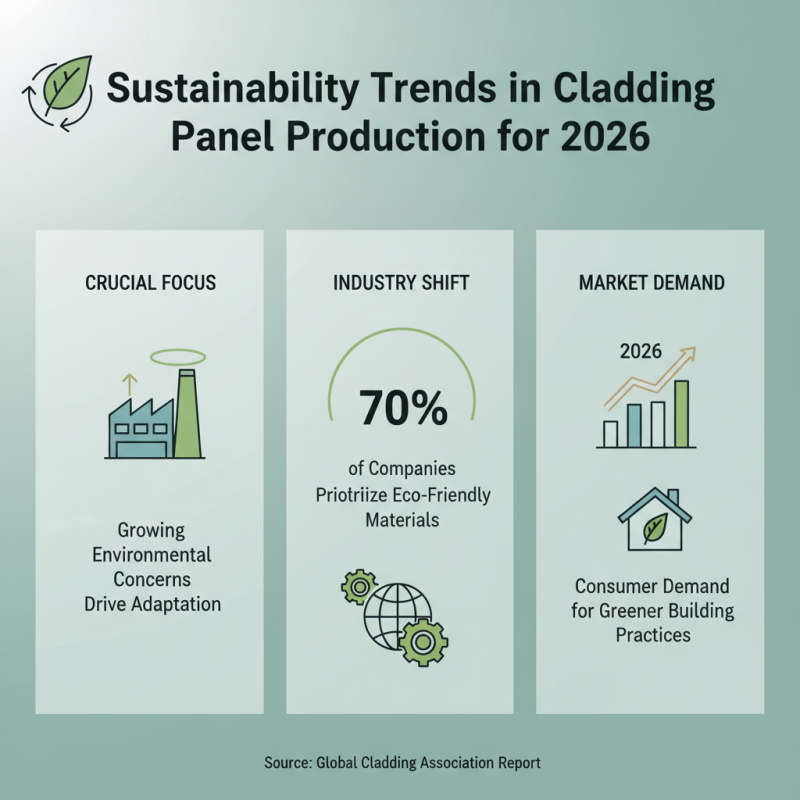
Sustainability is becoming a crucial focus in cladding panel production for 2026. Many manufacturers are adapting to growing environmental concerns. A report by the Global Cladding Association predicts that nearly 70% of companies will prioritize eco-friendly materials by 2026. This shift reflects increasing consumer demand for greener building practices.
New technologies are emerging. For instance, some producers are exploring recycled materials, which can significantly reduce waste. It’s reported that using recycled content in cladding panels can lower carbon footprints by up to 30%. However, not all products meet these standards consistently. It’s essential for buyers to scrutinize manufacturers' sustainability claims.
Additionally, the market is witnessing a trend toward energy-efficient production methods. Companies are investing in renewable energy sources. A survey revealed that 55% of cladding panel producers plan to transition to solar or wind power in the next three years. While this is promising, the transition requires careful planning and investment. Reports indicate that sustainable practices often come with higher upfront costs, which can deter some buyers. Buyers should weigh these aspects carefully.