2026 How to Choose Wpc Decking Boards for Your Outdoor Spaces?
Choosing the right Wpc Decking Boards for your outdoor spaces can transform your environment. According to John Smith, a renowned expert in composite materials, "Selecting the right decking can elevate both aesthetics and functionality." With numerous options available, it’s essential to consider quality, design, and sustainability.
When exploring Wpc Decking Boards, think about your lifestyle needs. Do you host frequent gatherings? Are you creating a tranquil retreat? Each choice impacts the overall feel of your outdoor area. Color, texture, and material composition can dramatically affect your space’s ambiance.
Opting for Wpc Decking Boards requires careful thought. Some products may not meet your durability expectations. Research and review each option, prioritizing reliable brands. Remember, it's not just a purchase; it's an investment in lasting memories.
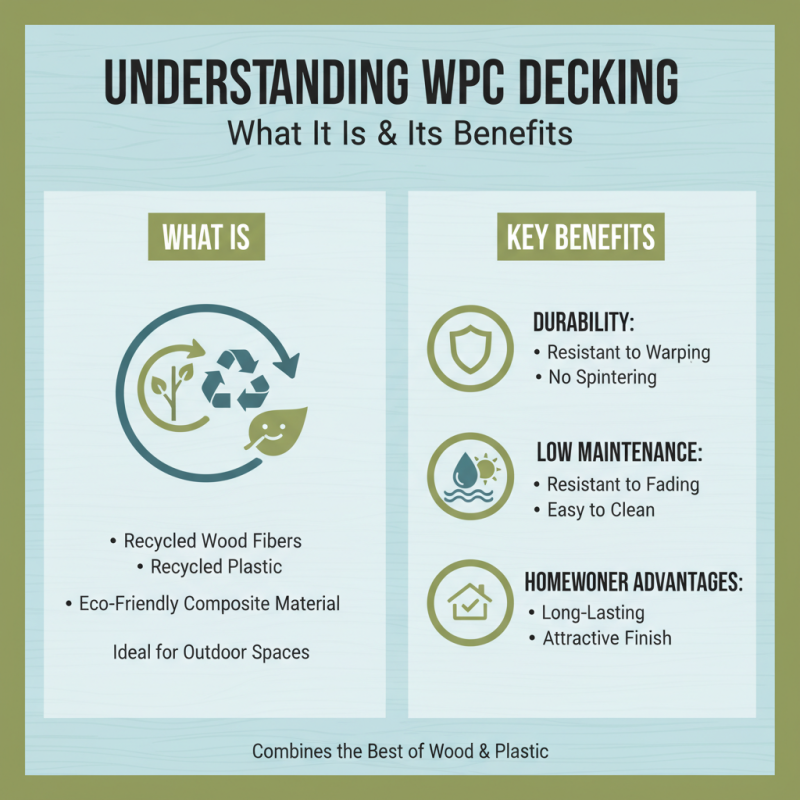
Understanding WPC Decking: What It Is and Its Benefits
WPC decking, or wood-plastic composite decking, combines the best of both materials. It uses recycled wood fibers and plastic, making it eco-friendly. This type of decking is popular for outdoor spaces due to its durability and low maintenance needs. Homeowners appreciate its resistance to warping, splintering, and fading.
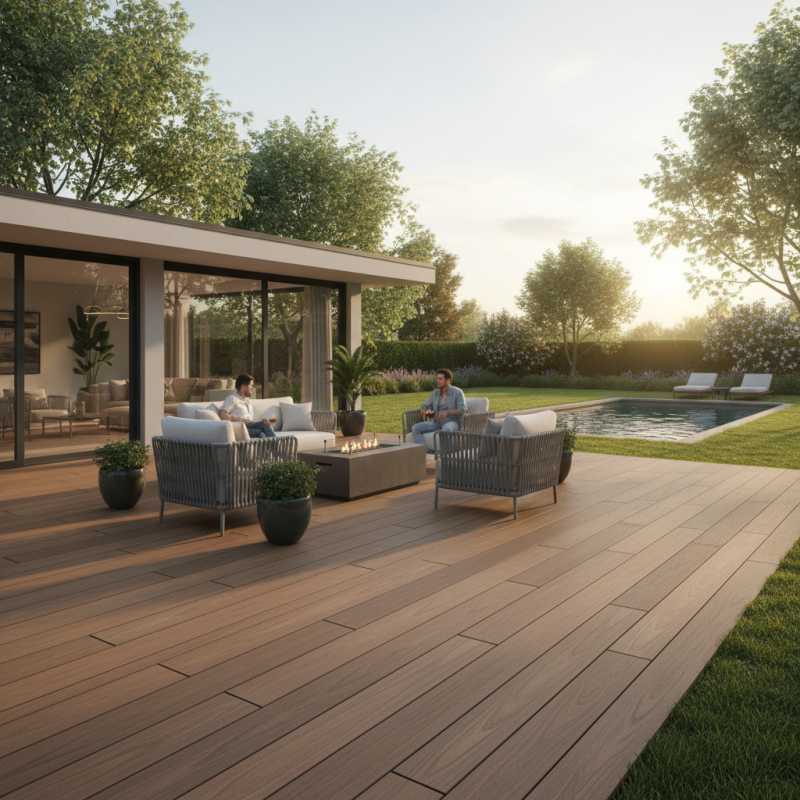
Many people find WPC decking visually appealing. It mimics the look of natural wood while being easier to clean. Rain or shine, it remains stable and strong. However, color choices can vary greatly. It’s essential to see samples in your space to truly understand the effect.
Despite its many advantages, WPC decking isn't without issues. Over time, some surfaces may scratch or dent. Regular maintenance can help alleviate these concerns. Owners should inspect their decks periodically. This attention can extend the life of the decking. Keep in mind the importance of choosing quality over price.
Key Factors to Consider When Choosing WPC Decking Boards
When selecting WPC decking boards for your outdoor spaces, several key factors must guide your decision. First, consider the composition of the boards. WPC stands for Wood Plastic Composite, which typically combines wood fibers with recycled plastics. It's essential to choose boards with a high wood content for better aesthetics and feel. Research indicates that WPC products with at least 60% wood fiber offer superior durability and natural appearance.
Another important factor is the board's resistance to environmental elements. Look for WPC decking that has UV resistance and waterproof features. Studies show that boards with these properties can last up to 25 years with minimal maintenance. However, maintenance is still necessary, especially in harsher climates. Lastly, color and texture matter. The right color can enhance your outdoor space, ensuring it ties in well with existing structures. Textured surfaces can provide better grip, reducing slip risks, especially when wet.
Pay attention to weight and thickness, as these affect installation and stability. Lighter boards may be easier to handle but can be less stable. A thickness of at least 1 inch is recommended for optimal strength. Reflecting on these factors will aid in making an informed choice, maximizing both functionality and style in your outdoor environment.
Comparing Various Types of WPC Decking Materials
When selecting WPC decking materials, it’s essential to understand the different types available. WPC, or wood-plastic composite, combines wood fibers with plastic, offering both durability and aesthetic appeal. One type is capped composite, which has a protective layer that resists fading and staining. This feature makes it ideal for high-traffic areas. However, even the best materials may require periodic maintenance.
Another option is uncapped composite, usually more affordable but less resistant to moisture. It tends to absorb water, leading to warping over time. If your space is prone to rain or humidity, this might not be the best choice. Keep in mind the color options too. Darker colors can retain heat and might be uncomfortable underfoot on sunny days.
Recycled options are available as well. They often contain a mix of wood and plastic waste, making them an eco-friendly choice. However, their longevity can vary. Choosing the right WPC material involves balancing aesthetics, durability, and environmental consideration. Each option presents unique strengths and weaknesses to ponder.
Comparing Various Types of WPC Decking Materials
Tips for Selecting the Right Color and Texture for Your Space
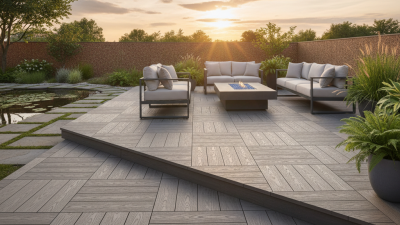
Choosing the right color and texture for WPC decking boards can significantly enhance your outdoor space. Data from the North American Deck and Railing Association indicates that nearly 70% of homeowners prioritize aesthetics when selecting decking materials. Colors like deep browns and grays remain popular, as they blend seamlessly with natural surroundings. However, be mindful that darker colors absorb more heat, potentially making your deck uncomfortable during peak sun hours.
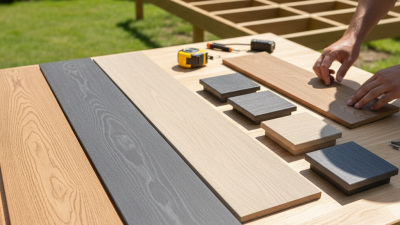
Texture plays a vital role too. A more textured surface can provide better traction, important for safety. According to a 2022 study by the American Society of Home Inspectors, slip-resistant surfaces reduced accidents by 30% in outdoor areas. Despite the benefits, some homeowners find that textured finishes require more cleaning. It's crucial to weigh aesthetics against maintenance requirements. Consider how often you’ll clean your deck and what look you want to achieve. Look closely at sample boards in various lighting to make a better-informed decision. Your choices should resonate with your personal style while considering functionality.
Maintenance and Care for WPC Decking Boards: Best Practices
Proper maintenance of WPC (wood-plastic composite) decking boards is crucial for longevity. Studies show that regular upkeep can extend the life of your deck by up to 50%. Cleaning should occur at least twice a year. Use a soft-bristle brush and mild soap to remove dirt and debris. Avoid harsh chemicals, as they can damage the surface.
Tips: Always test any cleaning solution on a small, inconspicuous area first. Rinse thoroughly to prevent residue buildup.
Inspect your WPC decking for signs of wear. Look for scratches, discoloration, or mold. Early detection can save time and money in repairs. If you notice mold, mix equal parts vinegar and water. Apply this solution and scrub gently. This method is effective and eco-friendly.
Tips: Keep your deck free of clutter. Leaving items on the surface can trap moisture, leading to mold growth.
Consider sealing your WPC boards every few years. This can enhance their appearance and provide extra protection against the elements. Although WPC is more resistant to rot and decay than traditional wood, it’s not entirely impervious to damage. Ensuring proper drainage is also vital. Standing water can compromise the structure over time.
Tips: Regularly check the drainage systems around your deck. Proper water flow can significantly ease maintenance efforts.