As a leading plastics recycler and producer of green composite.

Leave Your Message

What Is the Best Outdoor Decking for 2026?

Choosing the best Outdoor Decking for 2026 means balancing weather resistance, comfort, maintenance, and cost—not just comparing sample colors. Grand View Research estimated the global decking market at about $20.19 billion in 2023 and projected 5.1% annual growth from 2024 to 2030. That forecast signals strong demand, but it does not tell homeowners which board suits a shaded backyard or a sun-baked balcony. The details matter.

Composite decking can reduce routine staining and splinter concerns, while wood offers a natural texture that many homeowners still prefer. Neither is maintenance-free. Heat, moisture, drainage, and installation quality can change how a deck feels underfoot and how long it performs. Belgard design executive Joe Raboine’s useful principle is: “Think of the deck as an outdoor room.” It is a practical idea, though a beautiful layout cannot compensate for weak framing or poor drainage.

This guide compares popular materials, including composite, PVC, and pressure-treated wood, against real-world priorities. We’ll look at upkeep, durability, appearance, and value, with climate and budget in view. Product claims deserve scrutiny; warranties are not the same as decades of proven performance. A board that looks perfect in a showroom may feel uncomfortably hot in afternoon sun. The best choice is the one that fits your site, your habits, and the work you are actually willing to maintain.
What Is the Best Outdoor Decking for 2026?

What Outdoor Decking Is and How It Is Used

What Is the Best Outdoor Decking for 2026?

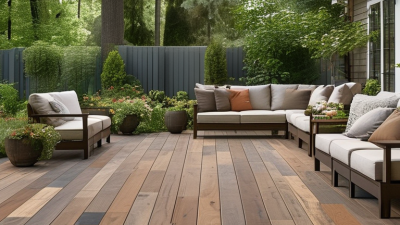
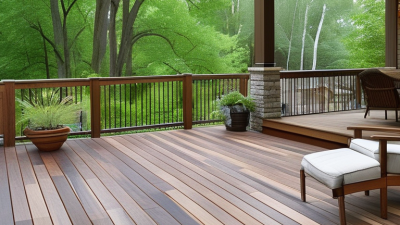
Outdoor decking is a constructed surface for walking, sitting, dining, and relaxing outside. It may cover a raised frame, balcony, garden platform, or ground-level patio. Deck boards sit over supporting joists, while small gaps allow rainwater to escape and air to circulate.

The best decking for 2026 depends on local weather, daily use, and maintenance expectations. Timber offers natural texture and can feel warm under bare feet. It needs sealing, cleaning, and regular checks for splitting or decay. Composite boards usually resist moisture and require less upkeep, but they can become hot in strong sunlight. PVC decking handles water well, while metal systems suit modern spaces and heavy use.

Think about the structure beneath the boards. Poor drainage can damage even expensive materials. Joists should remain stable, level, and separated from standing water. In coastal areas, salt and wind need special consideration. In colder regions, repeated freezing can expose weak fixings and cracks. Check local building requirements before installation.

I have found that appearance often influences buyers more than comfort. That choice can age badly. A dark surface may look elegant in a sample, then feel harsh during a summer afternoon. Slip resistance matters near pools and outdoor kitchens. Board spacing, fasteners, edge protection, and routine inspections also affect safety. No decking material is perfect, and every option involves a compromise.
Which Decking Materials Are Available in 2026

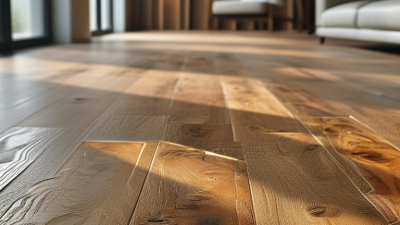
In 2026, outdoor decking is available in several practical forms: pressure-treated wood, naturally durable hardwood, wood-plastic composite, capped polymer, aluminum, and porcelain pavers. Each handles rain, heat, and foot traffic differently. Wood feels warm under bare feet and is usually easier to cut on site. It also needs regular sealing. I have seen neglected boards turn gray, split, and hold water around screw heads.

Industry reports show a changing market. The Freedonia Group’s U.S. Decking report identifies wood as the leading material by volume, while composite and polymer products continue gaining share. Grand View Research forecasts about 5.1% annual growth for the global decking market through 2030. That trend reflects demand for lower-maintenance surfaces, not necessarily better value. Composite can resist fading and insects, but hot boards may become uncomfortable beside a sunny pool. PVC avoids wood fibers, yet movement and surface scratching still require careful installation.

Aluminum is light, stable, and useful in wet climates. It can sound sharp under rain. Porcelain pavers create a clean, stone-like appearance, but the supporting frame must be precise and well drained. Check local structural requirements, joist spacing, slip resistance, and fastener compatibility before choosing. My own preference is not fixed. A shaded garden may reward wood; an exposed coastal deck may justify polymer or aluminum. Longevity claims often ignore cleaning, ventilation, and workmanship. That is where many “maintenance-free” promises become less convincing.

What Is the Best Outdoor Decking for 2026? — Which Decking Materials Are Available in 2026

Decking material Typical service life Upfront cost Maintenance needs Moisture and rot resistance Heat in direct sun Best suited to
Pressure-treated softwood About 10–20 years, depending on exposure and upkeep Low Regular cleaning; periodic sealing or staining may help protect the surface Improved by preservative treatment, but cut ends and standing water still need attention Usually moderate; color and surface finish affect how warm it feels Budget-conscious projects where routine upkeep is acceptable
Cedar or redwood About 15–25 years with suitable installation and care Medium to high Cleaning and periodic sealing or staining help maintain color and limit weathering Naturally more resistant to decay than untreated common softwood, but not rot-proof Generally moderate; darker finishes can become warmer in strong sun Projects where a natural wood appearance is a priority
Tropical hardwood Often 20–40 years; species, installation, and maintenance matter High Cleaning is needed; oiling is optional and may be used to preserve color Many commonly used species have high natural durability, though performance varies by species Can become hot in direct sunlight, especially with darker boards Long-lasting natural-wood decks where higher material and installation costs are acceptable
Uncapped composite (wood-fiber and plastic composite) Often about 20–30 years; product construction and conditions affect longevity Medium to high Usually needs cleaning rather than routine staining; spills and debris should be removed Resists rot better than wood, but prolonged moisture and poor drainage can still cause problems Can become hot in direct sun; darker colors generally absorb more heat Homeowners seeking a wood-like look with less refinishing than natural wood
Capped composite Often about 25–30 years or more, depending on construction and exposure High Periodic washing; the protective cap does not eliminate cleaning or stain care Protective outer layer improves resistance to moisture and staining compared with many uncapped boards Can heat up in direct sun; color and board design influence surface temperature Low-refinishing decks where moisture and everyday staining are concerns
Cellular PVC decking Often about 25–30 years or more; actual life depends on installation and conditions High Generally requires cleaning, not sanding, staining, or sealing Does not absorb water like wood-based boards and is highly resistant to rot May become hot in sunlight, particularly in dark colors Moisture-prone locations and projects prioritizing low routine maintenance
Aluminum decking Often 30 years or more when properly installed and maintained High Low; periodic cleaning and checks of fasteners and drainage are advisable Does not rot or absorb water; corrosion resistance depends on the alloy and finish Surface temperature varies with finish, color, shade, and airflow Wet climates, rooftop decks, and projects where long service life is a priority

Cost and lifespan are broad comparisons, not guarantees. Local material prices, labor, structural requirements, climate, drainage, installation quality, and maintenance can substantially change the result. Check local building codes and installation instructions before choosing a system.

How Decking Materials Compare in Durability, Cost, and Care

Choosing the best outdoor decking in 2026 depends on how you weigh upfront cost against years of upkeep. Pressure-treated wood often costs less to install, but it needs regular cleaning and protective finishes. Miss a maintenance season, and damp boards may stain or splinter. Cedar and other naturally durable woods can look warmer, though they still need care.

Composite decking usually costs more at purchase than basic wood. In return, it avoids routine staining and resists rot. It can still scratch, fade, or feel hot in direct summer sun. PVC handles moisture well and needs little maintenance, but its higher price and less natural appearance may not suit every yard. Prices vary by location and installation, so compare complete quotes.

Think about daily use. Grease near a grill, muddy shoes, and water trapped between boards all affect cleaning and wear. Aluminum is durable and low-maintenance, but its cost and feel underfoot may be drawbacks. Small details matter. A shaded deck may age differently from one facing strong sun, and drainage can be easy to overlook. No material is maintenance-free; choose based on your climate, budget, and willingness to clean or refinish it.

How Climate and Lifestyle Shape the Best Decking Choice

“Best” decking in 2026 depends on your weather and how you use the space. In humid regions, persistent moisture can encourage decay in untreated wood, so drainage and regular upkeep matter. Freeze-thaw climates call for sound drainage and stable installation; trapped water can cause trouble. Dry, sunny yards bring another concern: surface heat. Shade changes the equation. NOAA’s 1991–2020 U.S. Climate Normals can help homeowners compare local temperature and precipitation patterns before choosing materials.

Cost and resale figures offer context, not a guarantee. Zonda’s 2024 Cost vs. Value report estimated a national average cost of $17,615 for a wood deck addition, with $14,596 in resale value. For a composite deck addition, its estimates were $24,206 and $16,498, respectively. These are modeled national averages, not local quotes. Your costs may differ with labor, access, and site preparation.

Lifestyle should guide the final call. Barefoot afternoons may favor a cooler, shaded surface; busy households may prefer less frequent sealing, while still cleaning debris from gaps. Near trees, fallen leaves can stain some surfaces if left wet. I’d be cautious about treating resale estimates as a promise. A deck that suits your climate but feels too hot or demanding may not suit your daily life.

What Is the Best Outdoor Decking for 2026?

Typical service-life estimates by decking material

How to use this chart: These are broad typical service-life estimates, not guarantees. Wet climates, freeze-thaw cycles, sun exposure, installation, and upkeep can all affect lifespan. Wood can suit owners willing to maintain it; composite or PVC may better fit a lower-maintenance lifestyle. Check product specifications and local conditions before choosing.

How to Choose Decking for a Specific Outdoor Space

A deck beside a sunny kitchen door has different needs from one tucked beneath trees. Start by observing the space at several times of day. Note direct sun, standing water, leaf buildup, and the path people take from the house. These details affect comfort, cleaning, and slip risk more than a sample board alone can show.

For a hot, exposed area, compare how materials feel underfoot and how much upkeep they need. A pale surface may stay cooler than a dark one, but shade and ventilation also matter. In damp or leafy spaces, look for surfaces that drain well and can be cleaned without trapping debris in narrow gaps. Ask a qualified installer to check joist spacing, drainage, and local climate conditions before choosing a product. Small errors here can lead to movement or water damage later.

Think about how the deck will actually be used. Dining areas need stable furniture support; narrow balconies may benefit from lighter construction, subject to structural limits. Keep clearance around doors and allow room for steps, railings, and maintenance access. Bring home samples, then view them in the space after rain and in afternoon light. It is an imperfect test. Still, it can reveal glare, color shifts, or a surprisingly slick finish. Allow for cleaning and repairs in the budget, not just the initial installation.