How to Choose the Best WPC Decking for Your Outdoor Space?
When it comes to enhancing your outdoor space, choosing the right materials is essential. WPC decking has become a popular option due to its durability and aesthetic appeal. It combines wood and plastic, offering the best of both worlds. However, with so many options available, making an informed choice can be daunting.
Selecting WPC decking requires careful consideration of various factors. Each brand may have unique compositions, colors, and textures. It’s important to evaluate the quality and performance that best suits your needs. Understanding the environmental impact of the materials used is also crucial. This awareness can guide you toward sustainable choices that align with your values.
Ultimately, the decision will depend on personal preferences and the specific requirements of your outdoor space. Perhaps you desire a non-slip surface for safety or a certain color to match your home. Reflecting on these details will lead to a well-informed choice. Investing in quality WPC decking can significantly enhance your space, but the selection process requires attention and care.
Factors to Consider When Selecting WPC Decking for Your Outdoor Space
When selecting WPC decking for your outdoor space, multiple factors deserve attention. One critical aspect is durability. Look for products that can withstand weather and heavy foot traffic. Check the material composition; higher wood content usually enhances its natural look but may reduce longevity. It’s a balancing act between aesthetics and functionality.
Consider the color and texture options available. Different finishes can affect the overall feel of your space. A rough texture may provide more grip but can be uncomfortable on bare feet. Color fading is also a concern; darker shades may absorb heat, potentially increasing discomfort in sunny weather.
Installation should not be ignored. Some WPC decking comes with DIY installation options, while others require professional help. Analyze your skills and comfort level. Poor installation can lead to issues, such as uneven surfaces or early wear. Taking a moment to reflect on these aspects can help you choose wisely when enhancing your outdoor experience.
Understanding the Composition and Benefits of WPC Decking Materials
WPC decking, or wood-plastic composite decking, is gaining popularity for outdoor spaces. Its composition makes it durable and low-maintenance. Typically, WPC is made from a blend of recycled wood fibers and plastic. This combination offers a unique advantage: resistance to moisture and insects. A report by the Freedonia Group states the WPC market is expected to reach $3.6 billion by 2026, indicating growth in consumer preference.
Choosing the right WPC decking involves understanding its benefits. One significant advantage is its longevity. WPC decking can last over 25 years with proper care. It also provides a non-slip surface, making it safe for family use. Moreover, it is available in various colors and textures, mimicking natural wood. However, the thermal expansion of WPC can be problematic in extreme temperatures. Designers must account for this to prevent potential buckling.
Another vital aspect is environmental impact. Many WPC products are made from recycled materials, supporting sustainability. Yet, some WPC may contain harmful chemicals, which raises concerns. A report from the Green Building Council highlights that transparency in material sourcing is crucial. This awareness can guide consumers toward safer, eco-friendly options.
Evaluating Different Styles and Colors of WPC Decking Options
Choosing the right WPC decking involves more than just picking a color. The market offers a variety of styles and finishes that can dramatically affect your outdoor space’s aesthetic. According to industry reports, up to 70% of homeowners prioritize appearance when selecting decking materials. This means the color and texture of WPC options play a crucial role in decision-making.
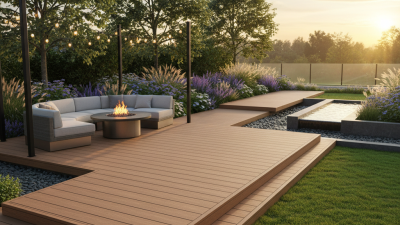
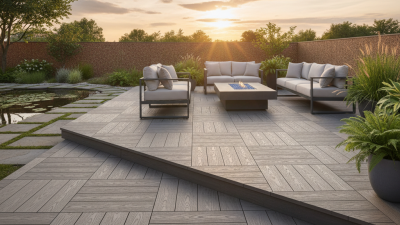
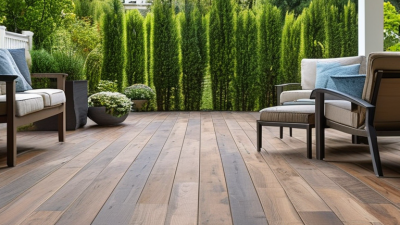
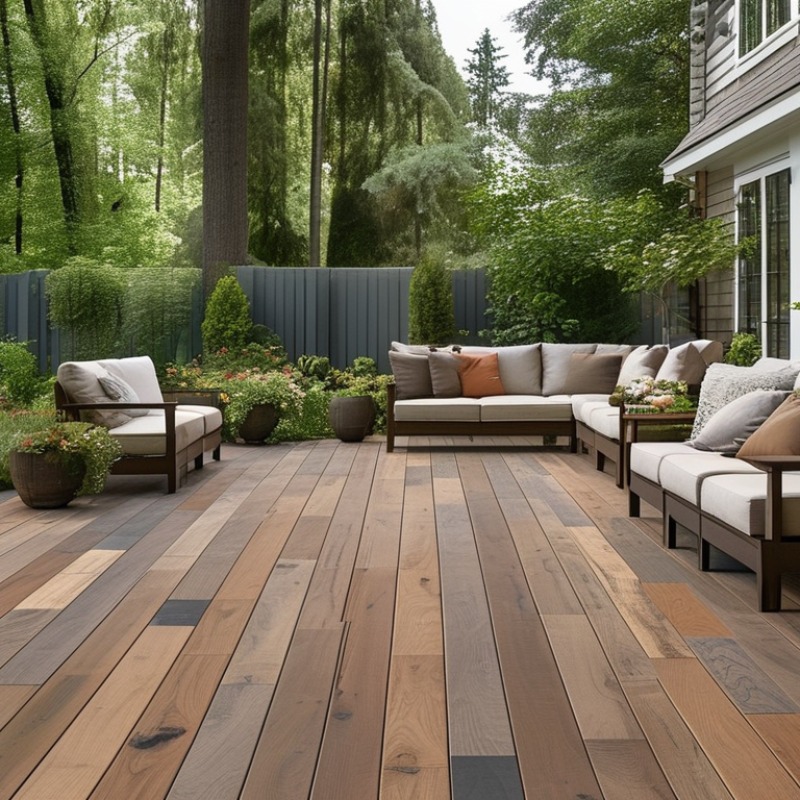
When evaluating styles, consider how the surface texture complements your design. Some WPC decking features a wood-grain pattern, which can create a natural look. Others offer a smooth finish, which may appeal to modern tastes. The choice of color can also enhance your environment. Earthy tones like browns and grays are often favored for their versatility. In contrast, brighter colors can create a vibrant focal point.
While options abound, it’s essential to balance aesthetics with durability. Some WPC products fade more quickly under sunlight than others. A study indicated that about 30% of consumers report fading issues within five years. This highlights the importance of selecting high-quality options. Review warranty conditions closely to ensure long-term satisfaction. Also, consider how the chosen color might show dirt or scratches over time. Not all colors will age gracefully, and this is worth contemplating in your selection process.
How to Choose the Best WPC Decking for Your Outdoor Space? - Evaluating Different Styles and Colors of WPC Decking Options
| Style |
Color |
Texture |
Durability (Years) |
Maintenance Level |
| Classic |
Natural Brown |
Smooth |
25 |
Low |
| Modern |
Slate Gray |
Textured |
30 |
Medium |
| Rustic |
Weathered Gray |
Rough |
20 |
High |
| Contemporary |
Black |
Sleek |
25 |
Low |
| Traditional |
Deep Red |
Smooth |
20 |
Medium |
Assessing Durability and Maintenance Requirements of WPC Decking
When choosing WPC decking, it’s crucial to evaluate durability and maintenance. WPC, or wood-plastic composite, combines natural wood fibers and recycled plastics. This blend can resist splintering, warping, and insects better than traditional wood. However, not all WPC products offer the same level of durability. It’s important to check the material composition and manufacturing details. A well-made product can last over 25 years, while lower-quality options may show wear in just a few years.
Maintenance is another critical factor. WPC decking typically requires less upkeep compared to wood. It doesn’t need regular staining or sealing. However, it does need periodic cleaning to prevent mold and mildew. Some individuals overlook this detail, leading to unexpected issues. Using mild soap and water can effectively maintain its appearance. Still, dirt and grime can accumulate in the grooves. This may necessitate more frequent attention than originally planned.
While WPC decking offers many advantages, it’s essential to consider personal needs. Evaluate how much time you can realistically commit to maintenance. Analyze your climate and how it may affect the decking's performance. These considerations can help you make an informed choice that meets your expectations for both durability and upkeep.
Comparing Costs and Installation Options for WPC Decking Solutions
Choosing the right WPC decking involves understanding costs and installation options. WPC, or Wood Plastic Composite, offers durability and low maintenance. However, potential buyers should be aware of the price range. Costs can vary significantly depending on material quality and design complexity. Budget preferences may narrow or expand choices.
Installation is another factor to consider. Some WPC solutions might require professional help, increasing overall costs. DIY installation appeals to many, offering savings, but it demands specific skills and tools. Miscalculations during installation can lead to costly mistakes. Understanding your capabilities can save you from future regrets.
Different WPC products have varying installation techniques. Some come with hidden fasteners, creating a seamless look. Others may involve visible nails or screws. Weighing these options against aesthetics and functionality is crucial. Users often overlook the lifespan of decking and the potential need for early replacements. Take time to assess hidden costs that may arise in the future.