How to Choose the Best Exterior WPC Wall Cladding for Your Project?
Choosing the right Exterior WPC Wall Cladding can significantly enhance your project. This material blends beauty and durability. It’s essential to make informed choices based on several critical factors.
When selecting Exterior WPC Wall Cladding, consider the aesthetics, texture, and color options. The right choice complements your design vision. However, some may overlook maintenance and longevity. Not every cladding is created equal. Some may fade or warp over time. Assessing the environment is equally important. Harsh weather can impact performance and look.
Expert advice plays a crucial role in making the best selection. Consulting with professionals helps avoid costly mistakes. Understanding the differences in quality can lead to a more satisfying result. Choosing the ideal Exterior WPC Wall Cladding requires careful consideration. Factors like budget and installation ease should not be neglected. Each decision can define the project’s overall success.
Understanding WPC Wall Cladding and Its Benefits
When considering WPC wall cladding, it's essential to understand its unique benefits. WPC, or wood-plastic composite, offers excellent durability and weather resistance. This makes it ideal for exterior applications, where it can withstand harsh conditions. The blend of wood fibers and plastic ensures that the material does not rot or splinter, providing a long-lasting solution for your project.
Tips: When selecting WPC wall cladding, always check the material's density. High-density options generally provide better durability. Additionally, consider the finish; textured surfaces can enhance aesthetics while providing better grip. Maintaining a consistent color can be challenging; always test samples in your project’s lighting.
Another advantage of WPC is its low maintenance requirements. Unlike traditional wood, it doesn't need regular staining or sealing. However, it's important to regularly clean the surface to prevent mold and mildew buildup. This will ensure the longevity of the cladding and keep it looking fresh. Evaluate your project’s location; environments with high moisture may require different considerations.
Key Factors to Consider When Choosing WPC Wall Cladding
When selecting the best exterior WPC wall cladding, several key factors come into play. The first consideration is durability. WPC, or wood-plastic composite, is known for its resistance to decay and insects. However, the specific formulation can vary. Always check the product specifications to gauge its longevity in outdoor settings.
Another important factor is aesthetics. WPC wall cladding comes in various colors and textures. Think about how these elements fit within your project's overall design. It’s crucial to visualize the final outcome before making a commitment. Consider how the color interacts with other materials and the surrounding environment.
Tips: Look for samples before you buy. This helps in assessing the texture and color in natural light. Also, ask for testimonials or case studies to learn from the experiences of others. Don't overlook the maintenance needs of different WPC products; some might require more upkeep than expected.
Additionally, sustainability is becoming a key consideration. Many consumers prefer eco-friendly materials. Check if the WPC product you’re considering is made from recycled materials or sourced sustainably. However, balancing sustainability with cost can be challenging. This tension is worth exploring further.
How to Choose the Best Exterior WPC Wall Cladding for Your Project?
| Factor |
Description |
Importance |
| Material Quality |
Choose high-quality WPC that offers durability and resistance to weather effects. |
High |
| Design Options |
Consider the variety of colors, textures, and patterns available. |
Medium |
| Installation Process |
Evaluate the ease of installation and required tools. |
Medium |
| Maintenance Requirements |
Check if the WPC cladding requires regular maintenance or is low-maintenance. |
High |
| Cost |
Budgeting for the total cost including materials and installation. |
High |
| Environmental Impact |
Consider if the materials are eco-friendly or made from recycled sources. |
Medium |
| Warranty |
Look for warranties that guarantee the product's performance. |
High |
Comparing Different Types of WPC Wall Cladding Materials
When selecting the right WPC wall cladding, it’s vital to compare various materials. WPC, or wood-plastic composite, combines the best aspects of wood and plastic, making it a popular choice for exterior applications. According to a report by Grand View Research, the WPC market is projected to reach $10.4 billion by 2027. This growth indicates a robust demand for exterior solutions, driven by their durability and aesthetic appeal.
Different WPC materials come with varying characteristics. Some offer high resistance to moisture and insects, while others may lack these benefits. Testing is crucial. The ASTM standards provide guidelines for assessing properties like dimensional stability and resistance to impact. These tests ensure that the material can withstand outdoor conditions effectively. It’s important to note that not all products perform equally in real-world applications. Inconsistent manufacturing processes can lead to defects, such as warping or fading over time.
When weighing options, consider factors like cost, maintenance, and installation ease. Some types of WPC require minimal upkeep but may have higher initial costs. Conversely, cheaper variants might fail to provide longevity. Analyzing long-term performance against upfront investment ensures informed decision-making. This reflection on materials can guide your choice toward a more sustainable and aesthetically pleasing exterior solution.
Assessing Aesthetic Options and Design Compatibility
When selecting exterior WPC wall cladding, aesthetic options play a vital role in your project's success. Color schemes, textures, and patterns directly impact the look of your structure. Consider what emotions and styles you want to evoke. For example, dark hues can lend sophistication, while lighter shades provide a fresh, airy feel. The subtle nuances of texture, such as smooth versus wood-like finishes, can transform the perception of the material.
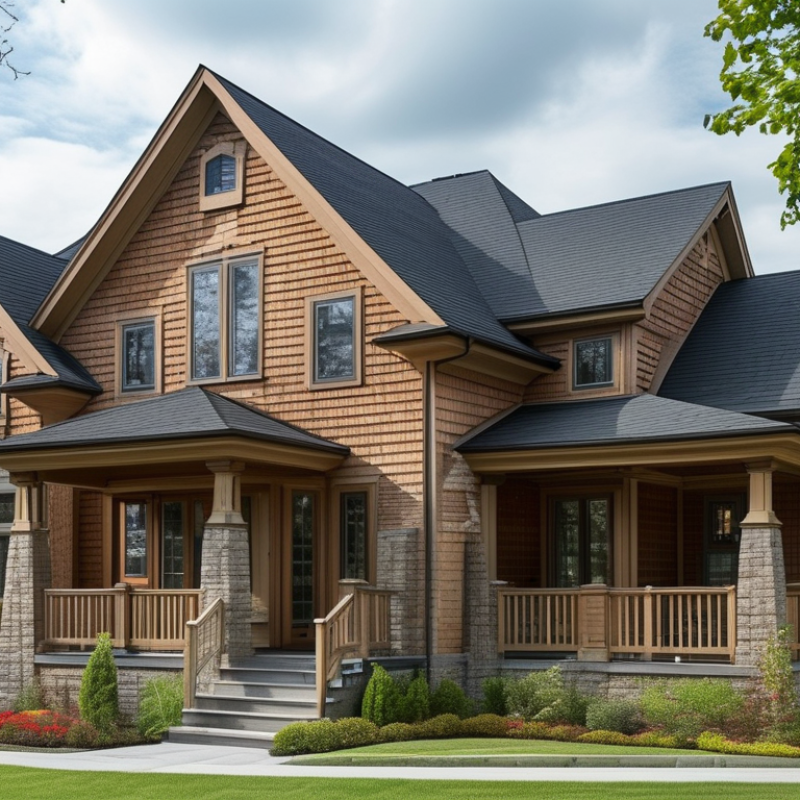
Design compatibility is equally essential. Your chosen cladding should harmonize with architectural elements. Pay attention to the style of windows, roofs, and doors. Mismatched designs can create visual dissonance, detracting from the overall appearance. Reflect on how different materials interact with WPC cladding. Combining natural stone or metal accents can enhance the overall appeal. It’s crucial to envision your space as a complete picture, considering both complementary and contrasting elements.
While the choices may seem straightforward, many people overlook the significance of scale and proportion. Ensure the cladding size suits the dimensions of your building. Too large or too small can disrupt visual balance. Don’t shy away from experimenting, but be mindful of the risks. Assessing potential choices through samples and mock-ups can be invaluable. Ultimately, align your aesthetic vision with practical considerations for a cohesive, appealing result.
Comparison of Aesthetic Options for WPC Wall Cladding
This chart illustrates the aesthetic appeal scores of various WPC wall cladding options. Each option is rated on a scale from 1 to 10, with higher scores indicating better aesthetic compatibility for a variety of design projects.
Evaluating Maintenance Requirements and Durability Factors
When selecting exterior WPC wall cladding, maintenance requirements and durability are crucial.
WPC, or wood-plastic composite, combines natural wood fibers with plastics to enhance performance. This material offers resistance to moisture and pests, making it a popular choice for outdoor projects.
However, understanding its long-term maintenance needs is vital. While WPC is generally low-maintenance, periodic cleaning to remove dirt and debris is necessary. Neglecting this can lead to discoloration over time.
Durability factors are equally important. WPC can withstand various weather conditions, but exposure to UV rays can degrade its surface. Choosing products with UV protection can prolong its lifespan. However, even the best materials will show wear after years. Users should consider the potential need for refinishing or replacement. Analyzing local climate conditions will also guide choices. Different climates can affect how the material performs. It’s important to reflect on these aspects. They can significantly impact the overall satisfaction with the final project.