Outdoor wall panels do more than cover a building. They meet rain, sun, wind, and daily temperature changes, while shaping the home’s appearance. The best choice depends on climate, wall construction, maintenance, and budget—not appearance alone. Fiber cement offers a tough, painted finish. Wood brings warmth but needs regular care. Metal can create crisp lines, while stone and brick panels add texture and visual weight. Each option has trade-offs.
Building-science expert Joseph Lstiburek is known for the reminder, “All buildings leak. It’s just a question of how much.” That observation matters when comparing an Outdoor Wall Panel system: cladding is only one part of a wall. Drainage, flashing, ventilation, and careful installation help manage moisture behind the surface. A beautiful panel cannot compensate for poor detailing.
This guide introduces the top types of outdoor wall panels, from composite boards to masonry-look systems. It considers durability, appearance, upkeep, and common installation needs. A coastal home with salty air may call for different materials than a shaded cabin in a dry climate. Samples help, but a small swatch cannot show how a whole façade will look in changing light. That limitation is easy to overlook. Check product specifications and local installer guidance before choosing, especially where wind, moisture, or freeze-thaw cycles are concerns. The goal is not to find one perfect panel. It is to choose a system that suits the building and can be maintained over time.
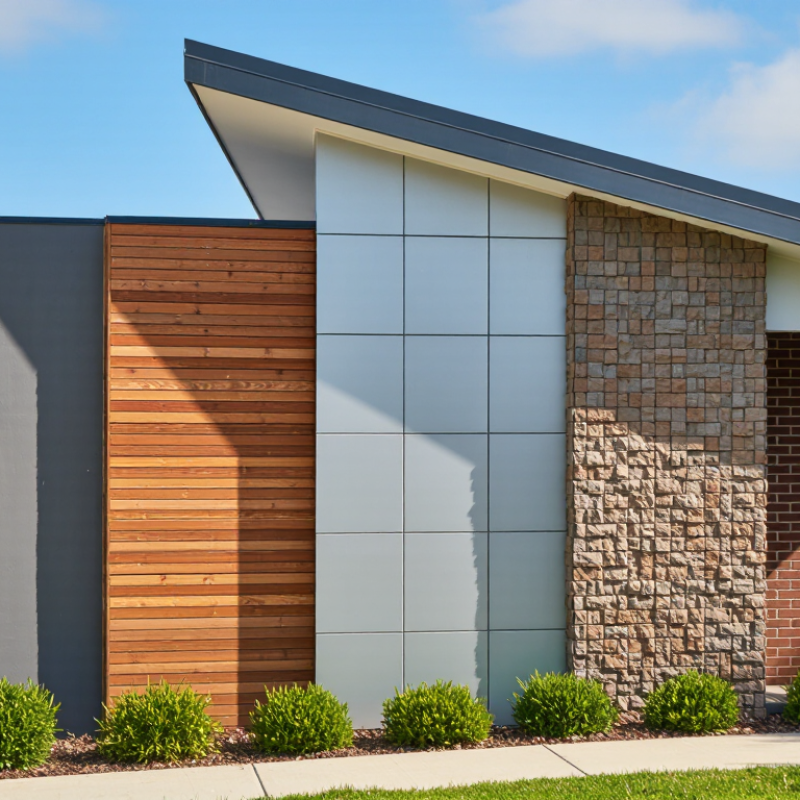
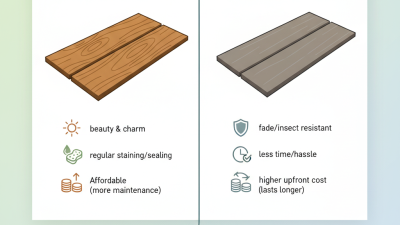
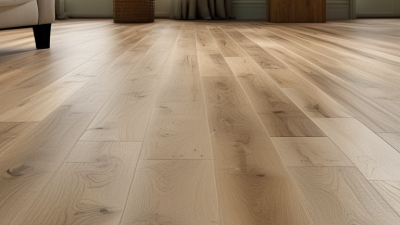
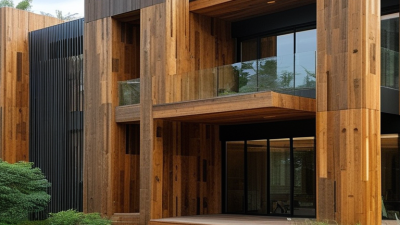
Wood wall panels bring visible grain, knots, and changing color to an exterior. Cedar and other naturally durable species are often chosen for cladding, but their performance depends on grade, detailing, and exposure. A south-facing wall may fade faster than a shaded one. Leave suitable drainage and ventilation behind the boards; trapped moisture can shorten their service life. Wood needs care.
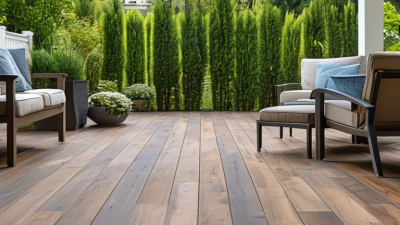
Wood-composite panels combine wood fibers with binders, and some products include protective surface layers. They can offer more consistent color and dimensions than solid timber, though formulations differ. Check the product’s technical data for water absorption, UV resistance, fire performance, and approved fixing methods. Composite does not mean maintenance-free. Scratches, heat, and prolonged dampness can still affect appearance or performance, and some boards expand with temperature changes.
The best choice depends on the building and the look you want. Wood develops a patina that some owners value and others find uneven. Composite may look too uniform on a large façade; that is worth checking in person. Compare samples outdoors, where morning shade and afternoon sun reveal differences that showroom lighting can hide. Confirm that the support frame, fasteners, and panel spacing suit the local climate.
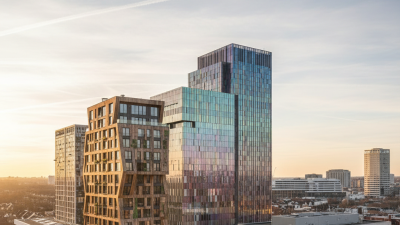
Metal panels give outdoor walls a crisp, durable finish, from narrow standing seams to broad, flat-faced panels. Their performance depends on more than appearance: coating quality, panel thickness, fasteners, and drainage details all matter. A poorly detailed corner can still invite water.
The UNEP and Global Alliance for Buildings and Construction’s 2023 Global Status Report says buildings accounted for 34% of global energy demand and 37% of energy- and process-related CO₂ emissions in 2022. That makes durable, well-designed wall assemblies worth considering, though a metal finish alone does not improve insulation. The World Steel Association reports that roughly 630 million tonnes of steel scrap are recycled annually, avoiding about 950 million tonnes of CO₂. Reuse depends on the panel’s coating and how easily it can be separated from other materials. Details matter.
Tips: Match the panel’s coating to local exposure, especially salty air or persistent moisture. Ask for drainage and fastener details, then inspect cut edges after installation. One caveat: metal can dent, and rain may sound louder without a suitable wall assembly. I would compare samples outdoors; showroom lighting can flatter a finish.
Fiber-cement panels suit exterior walls exposed to rain, strong sun, and changing temperatures. They combine cement with reinforcing fibers, creating a rigid cladding that resists rot and insects. Many products also perform well in fire tests, but “fire-resistant” does not mean fireproof. Ratings depend on the panel and the complete wall assembly. Look closely at edges and joints: poor detailing can let water reach the structure behind the panels.
Tips: Follow the manufacturer’s installation instructions for clearances, fasteners, and joint spacing. Use flashing above windows and doors, and seal cut edges when the product requires it. Cutting may create silica-containing dust, so use suitable dust controls and protective equipment. Small details matter.
Fiber cement is durable, but it is heavy and can crack if handled or fastened incorrectly. I would not assume every panel needs the same finish or maintenance schedule; check the product guidance and inspect the wall after severe weather. Faded paint or damaged joints deserve attention. The installation details can feel fussy, and they are easy to underestimate.
Fiber-cement, metal, and other exterior panels should be assessed using product-specific test documentation. This chart shows the ASTM E84 flame-spread index (FSI) limits for each class; it does not assign a rating to any panel material.
ASTM E84 Class A covers FSI 0–25, Class B 26–75, and Class C 76–200. FSI class is not a fire-resistance rating; check the tested product and assembly details.
Vinyl and PVC panels offer a lightweight option for outdoor wall cladding. Their low weight can make handling easier, especially on upper walls or renovation projects. Many panels need only occasional washing with water and mild soap. However, “vinyl” and “PVC” can describe overlapping materials, and product performance varies. Check the panel’s rated use, finish, and installation instructions before choosing.
Tips: Inspect the wall for moisture or damage before covering it. Keep drainage paths clear, and use the specified fasteners. Leave room for movement where instructions require it; plastic panels can expand and contract as temperatures change.
Lightweight does not mean carefree. Sun exposure may fade some finishes, while impacts can crack or dent panels, particularly in cold weather. Look closely at sample pieces outdoors, where color can appear different from a showroom or screen. Also consider the wall beneath the cladding: panels do not fix leaks or poor ventilation. A properly prepared surface and carefully sealed joints matter as much as the panel itself. The trade-off is real: easy cleaning and modest weight, with less resistance to some impacts than heavier cladding.
Stone and brick veneer panels add depth to exterior walls without the mass of full-thickness masonry. Stone styles can suggest split rock, river stone, or roughly cut ledges, while brick panels create the familiar rhythm of narrow courses and mortar lines. The surface matters up close. Raised edges catch afternoon light, and recessed joints make a wall appear more substantial.
Panel construction varies. Some products use manufactured materials; others use thin natural stone or brick attached to a backing. Check the panel’s weight, fixing method, and compatibility with the wall assembly before choosing. A textured finish can disguise minor surface variation, but it cannot correct a weak or uneven substrate. Follow the installation instructions for drainage, flashing, and clearances around windows and doors. These details are easy to overlook.
Look at samples outdoors, not only under showroom lighting. Wet stone may darken, and deep brick tones can look heavier across a large façade. A useful test is to place a sample beside the actual siding or trim. Not perfect, but revealing. Maintenance also depends on the system: inspect joints and edges periodically, especially after severe weather. Stone veneer may feel timeless, yet an overly uniform pattern can look artificial. That concern deserves a second look before covering an entire wall.
| Panel Type | Typical Material | Appearance and Texture | Relative Weight | Common Installation Approach | Exterior Considerations |
|---|---|---|---|---|---|
| Natural Stone Veneer Panels | Thin pieces of quarried stone, such as slate, limestone, or granite, fixed to a panel or backing system. | Authentic variation in color, grain, edges, and surface relief. | Generally heavier than manufactured veneer; varies by stone and panel construction. | Mechanical fastening or an approved adhered system, depending on the panel and wall assembly. | Confirm structural capacity, weather detailing, and the stone’s suitability for local freeze-thaw conditions. |
| Manufactured Stone Veneer Panels | Cement-based cast material shaped and colored to resemble natural stone. | Repeating stone profiles can create a rugged ledgestone, fieldstone, or ashlar effect. | Often lighter than comparable full-thickness natural stone, but product weight varies. | Adhered or panelized installation over a suitable, properly prepared substrate. | Use exterior-rated components and follow requirements for water-resistive barriers, flashing, and joints. |
| Stacked-Stone Panels | Natural or manufactured stone pieces assembled into interlocking sections. | Prominent horizontal layers and deep shadow lines; typically installed without visible mortar joints. | Varies with stone content and panel backing. | Panels are aligned and joined over a prepared wall; fastening or adhesive requirements depend on the system. | Plan corners, openings, and panel transitions to maintain a consistent pattern and shed water effectively. |
| Thin Brick Veneer Panels | Thin slices of fired clay brick attached to a backing or installed as individual veneer units. | Traditional brick color and face texture, with mortar joints that can be selected to suit the design. | Usually lighter than full-size masonry brick; exact weight depends on the panel and brick thickness. | Adhered to an approved backing or supplied in panel sections; joints are typically finished with mortar. | Detail sills, openings, and flashing carefully, and use exterior-rated mortar and substrates. |
| Interlocking Brick-Faced Panels | Brick slips or brick-like units factory-mounted to a carrier panel. | Regular running-bond or other brick patterns with a consistent, defined surface relief. | Typically less bulky than full masonry, though weight is system-specific. | Panels are fixed to a compatible support structure and joined according to the system design. | Check panel joints, attachment details, and compatibility with the wall’s drainage and ventilation strategy. |
| Stone-Look Porcelain Cladding Panels | Porcelain tiles or slabs printed or finished with a stone-like pattern. | Can reproduce the look of stone with a more uniform surface and a choice of finishes. | Depends on panel size and thickness; large-format panels require appropriately designed support. | Mechanically fixed or installed with an approved exterior cladding system. | Specify exterior-rated panels and attachments, and allow for movement and drainage as required by the assembly. |
Note: Panel weight, fastening, substrate, and weather-resistance requirements vary by product and wall assembly. Verify project-specific details with the panel manufacturer’s technical documentation and applicable building codes.