Choosing the best Composite Cladding means looking beyond colour and price. The right system must suit the building, local weather, installation method, and maintenance expectations. A board that looks convincing in a showroom may fade, swell, or feel different once exposed to sun and rain. Details matter.
The stakes are broader than appearance. UNEP’s 2023 Global Status Report for Buildings and Construction reports that buildings account for 34% of global energy demand. They also produce 37% of energy- and process-related carbon dioxide emissions. These are sector-wide figures, not proof that one cladding product will reduce a building’s footprint. Still, they show why material choices deserve careful scrutiny. Looks can deceive.
A reliable comparison starts with technical documents. Check the product’s fire classification, water absorption, dimensional movement, UV performance, warranty limits, and recommended fixing system. Ask whether the figures come from independent testing, and confirm they apply to the exact product and finish being quoted. On site, drainage gaps, ventilation, and edge details can matter as much as the boards themselves. Poor installation can undermine a strong product.
This guide explains how to weigh those factors, compare material quality, and judge long-term value. It also questions a common assumption: “low maintenance” does not mean maintenance-free. The best choice is the one whose tested performance, installation requirements, and upkeep match the project—not simply the one with the most polished brochure.
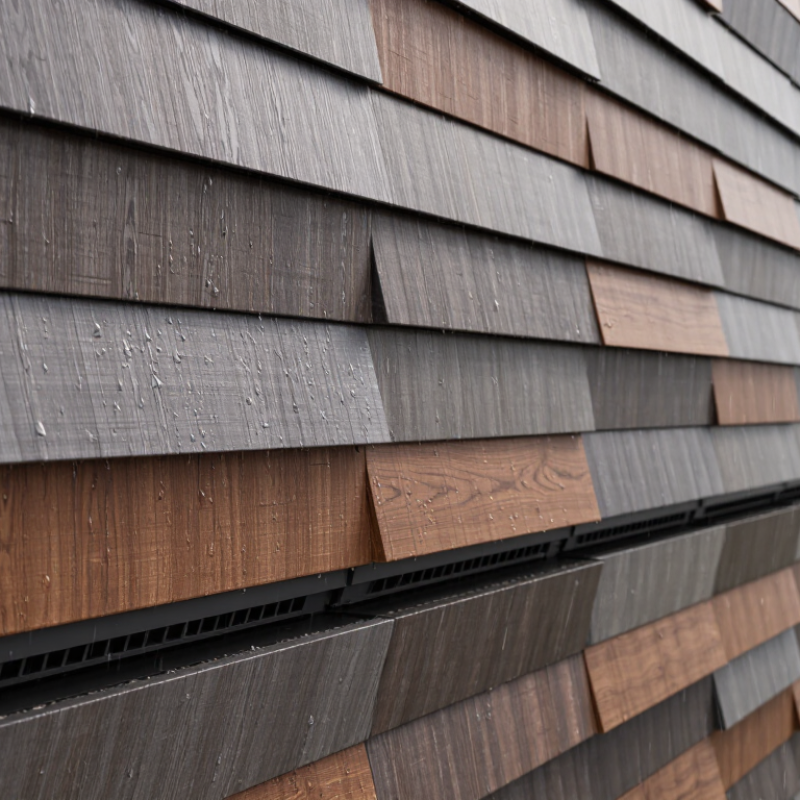
Composite cladding is an exterior covering made from blended materials, commonly wood fibres and plastic polymers. The proportions and additives affect weight, moisture resistance, colour stability, and maintenance needs. Some products also use mineral fillers or recycled content. Check the technical sheet rather than assuming all composites perform alike. Small differences matter.
Profiles shape both appearance and installation. Boards may be hollow, solid, grooved, or designed with concealed fixing edges. Hollow profiles can reduce weight, but their ends may need careful detailing. Solid boards are heavier and may suit exposed edges, though they can require stronger support. Allow for ventilation and expansion gaps according to the supplier’s installation guidance. Details are easy to overlook.
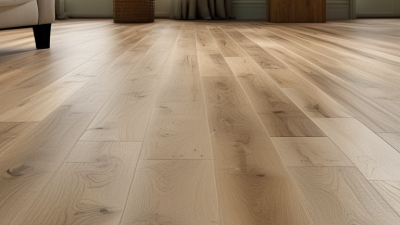
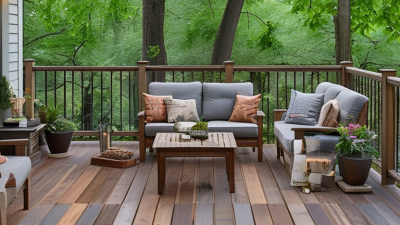
Surface finishes include smooth, brushed, and embossed textures, often designed to resemble timber grain. A textured face can hide minor marks, but dust may settle in deeper grooves. Colour samples help reveal undertones in daylight; online images can mislead. Compare a sample against the building’s windows and trim, then ask how the finish changes with weathering. Appearance is only part of the decision. Check cleaning needs, fixing methods, and warranty conditions before choosing.
Match cladding performance to the conditions each wall will face. A shaded garden elevation has different demands from a sunlit upper floor. Consider temperature swings, rainfall, humidity, and prevailing winds before comparing finishes.
Salt air matters. Near the coast, check whether the product and its fixings are suited to persistent salt exposure. In cold regions, ask how moisture and freeze-thaw cycles may affect the installation.
Exposure is only part of the decision. A busy entrance may need surfaces that are easy to clean and resist everyday knocks. On taller or more exposed walls, fixing design and wind performance deserve close attention. Allow for movement as temperatures change, and follow the installation guidance for gaps, ventilation, and drainage.
Small details matter.
Trapped water behind boards can create problems even when the cladding itself performs well. Check test data for the specific conditions you expect, rather than relying on broad claims such as “weather resistant.” Fire-performance information and maintenance requirements also belong in the comparison.
I would be cautious about choosing by colour or price alone; neither tells you how a wall will age in strong sun or driving rain. No single specification suits every elevation, and site conditions are easy to underestimate.
When comparing composite cladding, ask for the exact ASTM E84 test report, not just a Class A label. Class A generally indicates a flame-spread index (FSI) of 0–25 and a smoke-developed index (SDI) no higher than 450. Check both figures. A Class A label feels reassuring, but important details can sit behind it.
The report should identify the tested product, thickness, finish, and mounting method. A result for one panel configuration may not represent another color, coating, core, or installation. Check whether the tested setup matches the boards and backing planned for your project. Small differences matter. Ask whether joints, air gaps, or a specified substrate were included in the test.
ASTM E84 measures surface flame spread and smoke development under controlled tunnel conditions. It does not establish fire resistance or predict every exterior-wall fire scenario. The SDI is an index, not a measure of smoke toxicity. Confirm project requirements with the authority having jurisdiction and a qualified fire professional. I would not choose cladding by class alone; the paperwork may be accurate while the installed assembly differs.
Compare the flame-spread index (FSI) ranges commonly used for ASTM E84 surface-burning classifications.
Smoke-developed index (SDI): The commonly used limit for these classifications is 450 or less. ASTM E84 results describe tested surface-burning performance; verify the product’s test report and applicable project code requirements before selecting cladding.
Compare Durability Evidence for Moisture, UV Exposure, and Impact
Durability claims are only useful when the test conditions are clear. For moisture resistance, look for water absorption results and evidence from repeated wetting and drying. Ask whether edges and cut ends were included; water can enter there even when a board’s face appears sound. Check for swelling, warping, or changes in fastener grip after exposure. Small details matter.
UV evidence should report the exposure period and what changed in color, surface finish, or strength. A weathered sample beside an unexposed one can reveal fading, but photographs alone are weak proof. Seek measured color differences and notes on cracking or surface erosion. Real weather varies. Laboratory exposure helps compare products, but it cannot reproduce every climate or installation.
Impact testing deserves similar scrutiny. Find out what struck the board, from what height, and at what temperature. A dropped tool may leave a dent; hail or a flying branch can cause a different kind of damage. Check whether the test used the recommended spacing and fixing method, since unsupported cladding may perform differently. I would be cautious about broad “impact-resistant” claims without a stated method and results. Test reports from an independent laboratory offer stronger evidence, though even these cannot predict every site condition. Ask for the actual report, not just a headline figure.
Start with the wall, not the sample board. Check substrate condition, fixing access, corners, window trims, and how installers will handle board movement. Composite materials expand and contract with temperature, so follow the product’s fixing and spacing instructions.
Building Science Corporation’s rainscreen guidance commonly illustrates a drainage cavity around 3/8 inch deep. That is a reference detail, not a universal specification. Keep the cavity open at its designed inlets and outlets; blocked vents can trap moisture behind the cladding. Small gaps matter.
Plan maintenance around the actual site. Dust, pollen, and shaded damp corners can leave marks, so ask how the surface should be cleaned and how often fixings need inspection. Coastal exposure and nearby trees may change that schedule. I would not assume “low maintenance” means maintenance-free; that claim needs checking against written care instructions.
For cost comparisons, use NIST Handbook 135’s life-cycle cost approach: include purchase, installation, upkeep, and likely replacement over the same study period. A cheaper board can cost more if access makes repairs slow. Put real contractor quotes and expected cleaning intervals into the comparison, then test a second scenario with earlier replacement.
The estimate will still be imperfect, especially when local labor costs shift. Verify ventilation details and maintenance assumptions before committing.