How to Build Your Own Shed Houses for Storage and Style?
Shed houses are becoming increasingly popular for those seeking extra storage and unique style. These versatile structures can serve multiple purposes, from workshops to cozy retreats. Crafting your own shed house is not only a creative project but also a chance to enhance your property.
Building a shed house requires careful planning and design. Knowing what materials to use is essential. Quality wood, durable roofing, and reliable insulation will ensure longevity. Additionally, think about the layout. An effectively designed shed house maximizes space and functionality.
Mistakes are part of the building process. Not every design will work as planned. Some may lack adequate ventilation or comfort. Embrace these challenges as learning opportunities. Reflecting on what went wrong can help you improve future projects. Ultimately, designing and building shed houses can be a rewarding experience, offering both utility and style.
Choosing the Right Location for Your Shed House Construction
Choosing the right location for your shed house is crucial. Consider the purpose of your shed. Storage needs might require proximity to your home, while a workshop may benefit from natural sunlight. A survey by the U.S. Census Bureau indicates that nearly 60% of homeowners prioritize convenience when deciding on shed placement.
Soil conditions also play a significant role. Building on sloped or marshy land can cause drainage issues. According to the American Society of Civil Engineers, improper drainage is a leading cause of structural damage in outdoor buildings. You might need extra time and effort to ensure a solid foundation.
Consider zoning regulations in your area. Many municipalities have guidelines on the distance between structures and property lines. Ignoring these rules can lead to costly changes or unsafe conditions. A study by the National Association of Home Builders found that nearly 30% of shed projects face delays due to regulatory compliance issues. Before you begin, invest time in research to avoid future headaches.
Selecting Suitable Materials for Your Shed House Design
Selecting appropriate materials for your shed house is crucial. Consider the specific purpose of your shed. For example, a garden shed may require weather-resistant materials to withstand the elements.
Wood is a popular choice, offering natural aesthetics and good insulation. However, untreated wood can rot, leading to potential structural issues. A study by the American Wood Council indicates that pressure-treated wood is more resistant to decay and can last much longer.
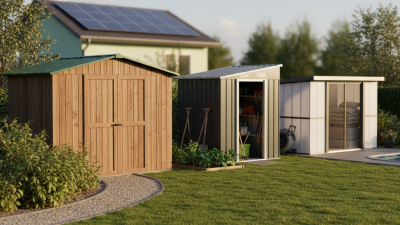
Metal sheds are another option, providing durability and low maintenance. According to the Metal Building Manufacturers Association, they are gaining popularity due to their longevity, with a lifespan of 30 to 50 years. Yet, metal can become hot in summer, which may not be ideal for storing temperature-sensitive items. Additionally, steel is prone to rust if not properly coated, which can compromise its integrity over time.
Lastly, composite materials are rising in popularity. They combine wood fibers and plastic, offering resistance to moisture and pests. However, they can be more expensive upfront. Selecting the right material involves assessing initial costs, long-term durability, and maintenance requirements. Be sure to reflect on the environmental impact too; sustainability should factor into your material choice.
Step-by-Step Construction Process for Building Your Shed House
Building a shed house can be an exciting project. It combines functionality with creativity. According to the Home Builders Association, almost 60% of homeowners consider storage space vital. A shed house satisfies storage needs while adding curb appeal.
To start, choose your site wisely. Look for level ground with good drainage. This will prevent water issues later. Create a sturdy foundation. A concrete slab or treated wood base helps secure your shed. A weak foundation can lead to future problems.
Next, focus on walls and roofing. Use quality materials like plywood for the walls and metal for the roof. These choices are durable and weather-resistant. Remember to include windows for natural light. Proper ventilation is critical. Poor air flow can lead to mold. Research shows that around 30% of shed owners face moisture issues without adequate ventilation. Finish with paint or siding that complements your home style. Each step matters for a long-lasting result.
Incorporating Storage Solutions and Style into Your Shed House
Creating a stylish shed house goes beyond aesthetics. It’s about effective storage solutions. According to a report by the American Institute of Architects, 70% of homeowners express a desire for versatile outdoor spaces that serve multiple purposes. A well-planned shed can meet this need while enhancing your property’s style.
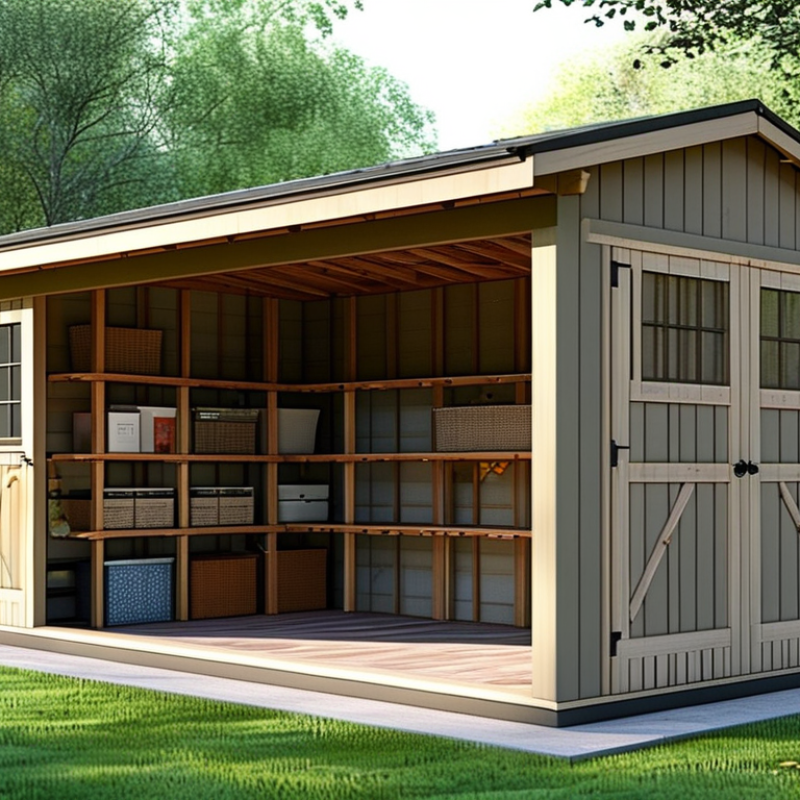
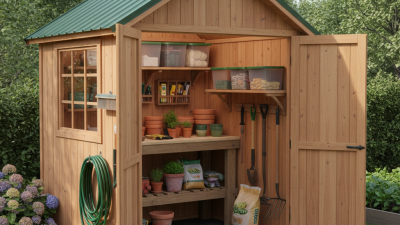
Consider integrating shelving and modular storage units. These not only maximize vertical space but also keep the area organized. Simple custom-built shelves can suit various storage needs. Some DIY enthusiasts opt for pegboards, which are flexible for tools and other items. Using natural materials like wood, you can add a warm touch.
Tips: Make sure your shed has enough windows for natural light. It not only creates an open feel but highlights your organized space. Seek inspiration from modern designs but don't shy away from personal touches. You might find certain styles clash with your vision or budget. Reflect on what truly brings you joy.
Finishing Touches: Interior Design and Exterior Aesthetics for Your Shed House
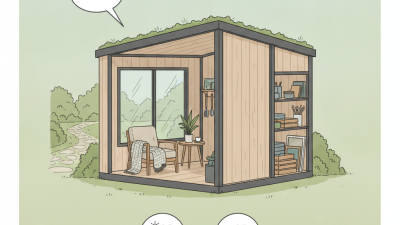
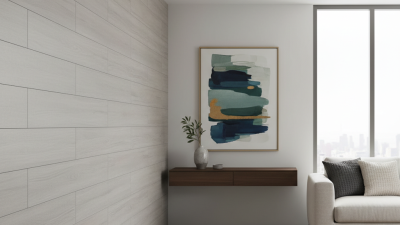
When designing the interior of your shed house, focus on maximizing both utility and comfort. Natural light is crucial; consider adding windows or skylights. A 2019 study from the National Association of Home Builders suggested that homes with ample natural light have an increased market value by 20%. Using light colors for walls creates a more open feel. Choose multifunctional furniture to save space. For example, a foldable table allows more room when not in use.
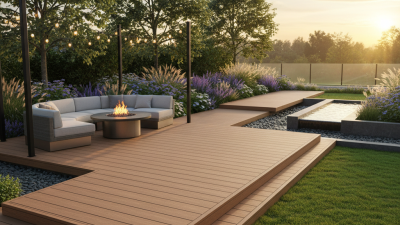
Exterior aesthetics significantly impact the overall appeal of your shed house. Opting for high-quality siding materials can enhance longevity and style. Research by Architectural Digest indicates that visually appealing exteriors can increase property value by up to 15%. Consider landscaping options such as native plants, which require less maintenance. A well-maintained outdoor space complements the shed’s design.
Reflect on personal preferences while balancing practicality. Some may favor a rustic theme, while others prefer modern touches. Embrace imperfections in your design choices; they contribute to character. A shed house should feel welcoming yet serve as a functional space. Adding personal touches, like artwork or DIY decor, can provide both flair and a sense of ownership.