2026 How to Choose the Best Plastic Storage Sheds for Your Needs?
Choosing the right plastic storage sheds can greatly impact your outdoor organization. Michael Anderson, a renowned expert in storage solutions, states, "Quality storage sheds can transform your backyard into an organized haven." Understanding your specific needs is essential.
Plastic storage sheds come in various sizes and styles. Selecting the best one requires careful consideration of durability, space, and functionality. Many homeowners struggle with the decision. They often seek advice but overlook key aspects.
Personal preferences vary widely. Some prioritize aesthetics, while others focus on practicality. Reflecting on past choices and learning from them is crucial. A shed that fits your needs today may not serve you well in the future. Evaluate your lifestyle and storage requirements thoroughly before making a decision.
Factors to Consider When Choosing Plastic Storage Sheds
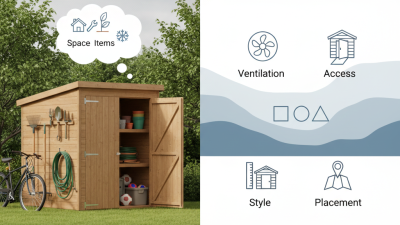
When selecting the ideal plastic storage shed, several factors require careful consideration. One crucial aspect is the size of the shed. According to a report by the American Society of Landscape Architects, nearly 65% of homeowners find size to be a primary concern. Measure your available space accurately. Think about what you want to store. This ensures the shed fits both your needs and your yard.
Material quality also plays a role in longevity. Research shows that high-density polyethylene sheds outlast their counterparts by nearly 20%. Check for UV resistance and weatherproofing features. These elements can prevent fading and cracking, which is essential for maintaining your investment. Additionally, ventilation should not be overlooked. Without proper airflow, stored items may develop mold or mustiness.
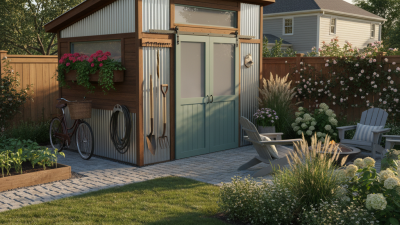
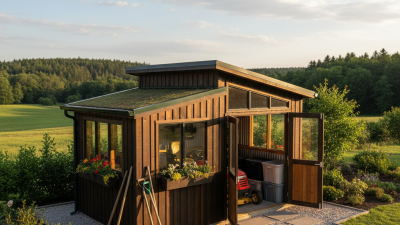
Assembly can be challenging and may require multiple people. Complex instructions can lead to frustration. Many opt for pre-assembled models to save time. Remember that aesthetic appeal matters. A shed should complement your property. Personal preferences may differ, but a well-designed shed adds value to a home. Exploring local regulations is also advisable. You may need permits or face restrictions on placement.
Different Types of Plastic Storage Sheds Available on the Market
When it comes to plastic storage sheds, there are various types available in the market, each with unique features. One option is the vertical shed. These are tall and narrow, making them ideal for small yards. They often have shelving systems that maximize vertical space. They can hold gardening tools and other outdoor equipment, ensuring that everything is organized.
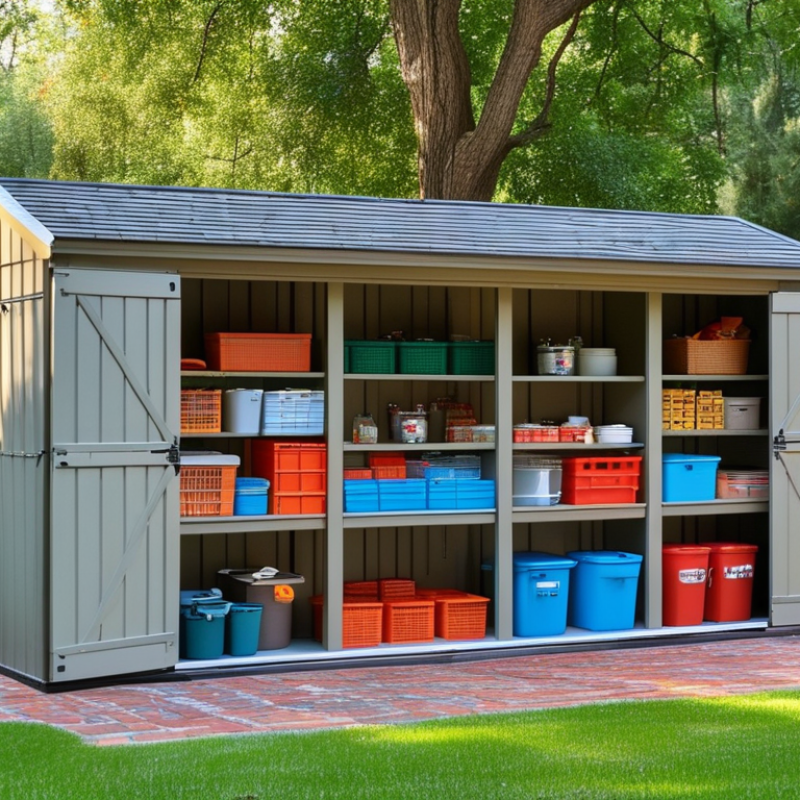
Another popular choice is the horizontal storage shed. These are wider and shorter, perfect for storing larger items like bicycles or lawn equipment. They often come with double doors for easy access. Some designs offer customizable shelving, which can enhance functionality. However, users should consider their yard space when choosing this type.
Lastly, portable sheds offer flexibility and ease of relocation. They can be moved as needed, which is useful for seasonal storage. However, they may lack the stability that larger models provide. It's important to weigh the pros and cons of each type to find the right fit for your needs. Exploring these options can help you create an organized outdoor space.
Assessing Your Space: Sizing and Placement for Storage Sheds
Choosing the right plastic storage shed starts with careful consideration of your space. Measure the area where you plan to place the shed. This helps avoid selection errors. A well-measured space allows for easy access and ventilation. Make sure the location is flat and dry. Avoid placing the shed too close to trees or structures that might cause damage.
After measuring, think about what you need to store. Do you require a small garden tool shed or a larger one for outdoor furniture? Visualizing how your items will fit into the shed can guide your decision. Imagine the layout inside. Consider shelves or hooks for smaller items. You might find that your ideal shed is too small for your actual storage needs.
Placement is just as crucial. Think about sunlight exposure. Too much direct sunlight may weaken plastic materials over time. Yet, too much shade can lead to moisture issues inside. Reflect on seasonal changes as well. Your shed's location should offer convenience throughout the year. Testing different positions before installation can be beneficial. Adjustments during this phase can save time and resources later on.
Budgeting for Your Plastic Storage Shed: Costs and Investment
When budgeting for a plastic storage shed, consider several factors. Research shows that, on average, homeowners spend between $300 to $1500. This range varies based on size and features. More storage space translates into higher costs. The American Association of Home Improvement found that a quality shed can enhance property value by up to 5%.
When planning your investment, know the hidden costs. Extra expenses may arise from installation, site preparation, and maintenance. Investing in a professional installation can escalate prices but ensures durability. Many homeowners overlook these aspects, leading to some regret later.
**Tip:** Always compare multiple options before purchasing. Some structures may initially appear cheaper but may require more upkeep. Evaluating long-term costs helps in making the right decision. It’s essential to prioritize quality and longevity over price alone. Your shed should suit your needs without causing future financial strain.
2026 Plastic Storage Shed Budget Analysis
Features and Accessories to Look for in Quality Storage Sheds
When choosing a plastic storage shed, consider several key features and accessories that enhance its functionality. Look for sturdy construction that can withstand harsh weather conditions. A shed with reinforced walls is essential for long-term durability. Ventilation is often overlooked, yet it's vital for preventing moisture buildup. Proper airflow keeps your stored items dry and in good condition.
Another important aspect is the size and design of the shed. Ensure it fits your available space. Shelving options can significantly expand your storage capabilities. Accessories like hooks and organizational systems maximize efficiency. Additional features such as lockable doors provide security for your belongings.
Some sheds may lack adequate lighting, which can make access difficult. Consider installing battery-operated lights for visibility. Some models may also offer compatibility with additional features, like solar panels, to power your lights sustainably. Assess your specific needs carefully; the right choice can improve organization and accessibility, while a hasty decision may lead to disappointment. Always remember that not all solutions will suit your requirements. Evaluate wisely.