10 Essential Tips for Choosing Moisture Proof Cladding for Your Home?
Choosing the right moisture-prooft cladding for your home is crucial. This decision impacts durability and maintenance. Moisture-Proof Cladding protects against water damage. It keeps your home safe from mold and rot.
When selecting cladding, consider climate. Humid areas require more robust materials. Look for options that resist moisture while allowing breathability. It's essential to balance aesthetics with functionality. Aesthetic appeal can sometimes overshadow practical needs, leading to poor choices.
Understanding the materials is vital. Wood, vinyl, and fiber cement all offer different benefits. Researching their performance in various conditions can help. Sometimes, one might overlook long-term implications for short-term gains. Stay informed and choose wisely for your home’s longevity.
Understanding Moisture Proof Cladding and Its Importance for Homes
When building or renovating a home, moisture proof cladding is vital. It protects structures from water damage. This issue is more significant than many realize. According to the Building Research Establishment, over 40% of homes suffer from moisture-related issues. These can lead to mold, decay, and structural damage.
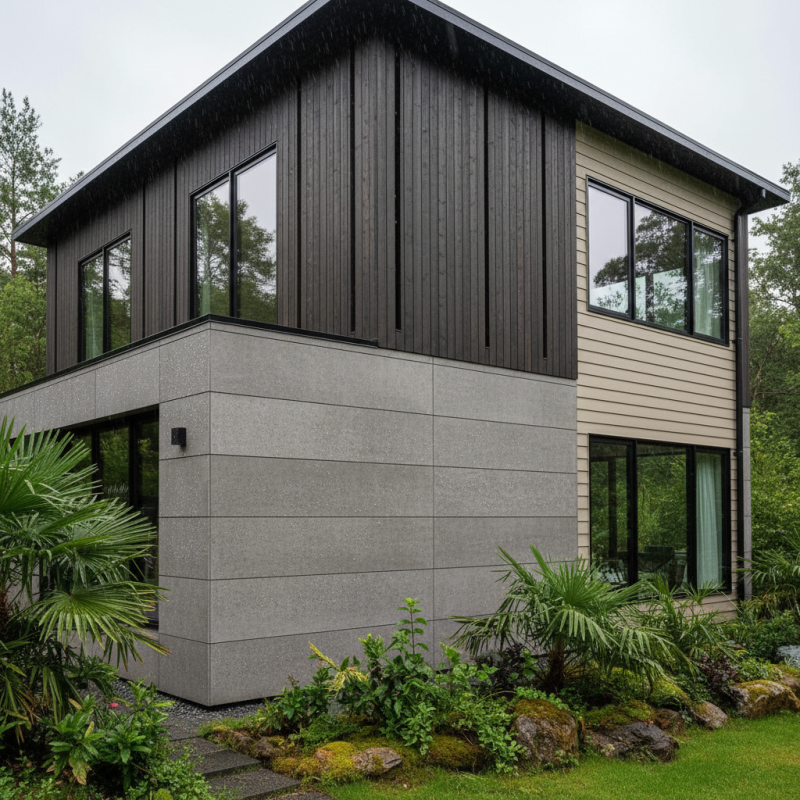
Choosing the right material is crucial. Various options are available, such as fiber cement, vinyl, and metal. Each comes with unique benefits and drawbacks. For instance, fiber cement is durable and resistant to rot. However, it may require professional installation, increasing overall costs. Conversely, vinyl is lighter and easier to install, but less environmentally friendly.
Moisture proof cladding not only enhances a home's lifespan but also improves energy efficiency. According to the Department of Energy, proper insulation can reduce energy costs by 20% or more. A home insulated with high-quality cladding can maintain a comfortable temperature year-round. However, improper installation can lead to moisture retention. Always ensure professional guidance is taken in these matters. These factors play a significant role in ensuring the long-term integrity of any building.
Key Factors to Consider When Selecting Moisture Proof Cladding Materials
Choosing moisture-proof cladding for your home is crucial. Understanding key factors can help ensure durability and protection. Start with assessing the environment. Areas with high rainfall or humidity require robust materials. Evaluate the material's water resistance rating. Not all options are equal, and some may fail in heavy conditions.
Next, consider installation techniques. Proper installation is essential for performance. Gaps or flaws can lead to moisture infiltration, negating the benefits of the cladding. Maintenance requirements cannot be overlooked either. Some materials need regular checks and upkeep, while others are low-maintenance.
Lastly, think about aesthetics. The cladding should complement your home’s style while offering moisture resistance. This creates a balance between functionality and visual appeal. Remember, the right choice can enhance your home’s lifespan and comfort. However, sometimes choices may not turn out as expected. Reflecting on experiences can guide better decisions in the future.
Evaluating Different Types of Moisture Proof Cladding Options Available
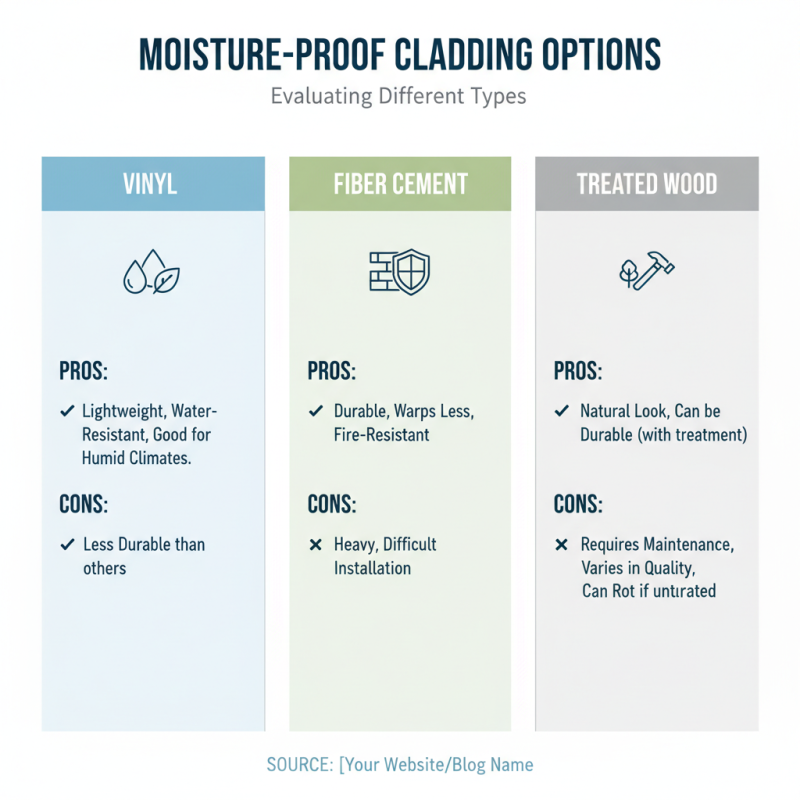
When evaluating different types of moisture-proof cladding options, consider materials like vinyl, fiber cement, and treated wood. Vinyl is lightweight and resistant to moisture damage. It can be an excellent choice for humid climates. Fiber cement offers durability and is less likely to warp over time. However, its weight and installation demands may pose some challenges.
Treated wood can provide a natural aesthetic but requires regular maintenance to ensure its effectiveness. Improper installation may lead to moisture intrusion over time. It's crucial to weigh the pros and cons of each option. Think about local weather conditions and how they may impact your choice. Some materials, while appealing, may not withstand harsh weather as effectively as others.
Don’t forget to consider insulation properties. An ideal cladding option should also complement the energy efficiency of your home. Seek expert advice and consult local builders to get insights specific to your region. In the end, the best choice must balance aesthetics, durability, and functionality. Take your time to reflect on each option's impact on your home.
Cost Analysis: Budgeting for Moisture Proof Cladding Installation
Budgeting for moisture proof cladding installation requires careful planning. The costs can vary significantly based on the materials chosen. Generally, traditional options like wood or vinyl are cheaper upfront but may incur higher maintenance costs. You might save money in the short term, but long-term durability can be an issue.
To get a clear picture, obtain quotes from multiple contractors. Evaluate their proposed materials and labor costs. This helps in understanding market rates and making an informed decision. Keep in mind that unexpected expenses can arise. For instance, additional waterproofing may be necessary if your home has moisture issues.
Besides material costs, consider the installation complexities. Some cladding types require specialized skills. This can lead to higher labor charges. It's important to weigh these factors. Think about your home's unique conditions and choose a solution that fits your budget and needs. Taking your time can prevent costly mistakes later.
Cost Analysis: Budgeting for Moisture Proof Cladding Installation
Maintenance Tips for Ensuring Longevity of Moisture Proof Cladding
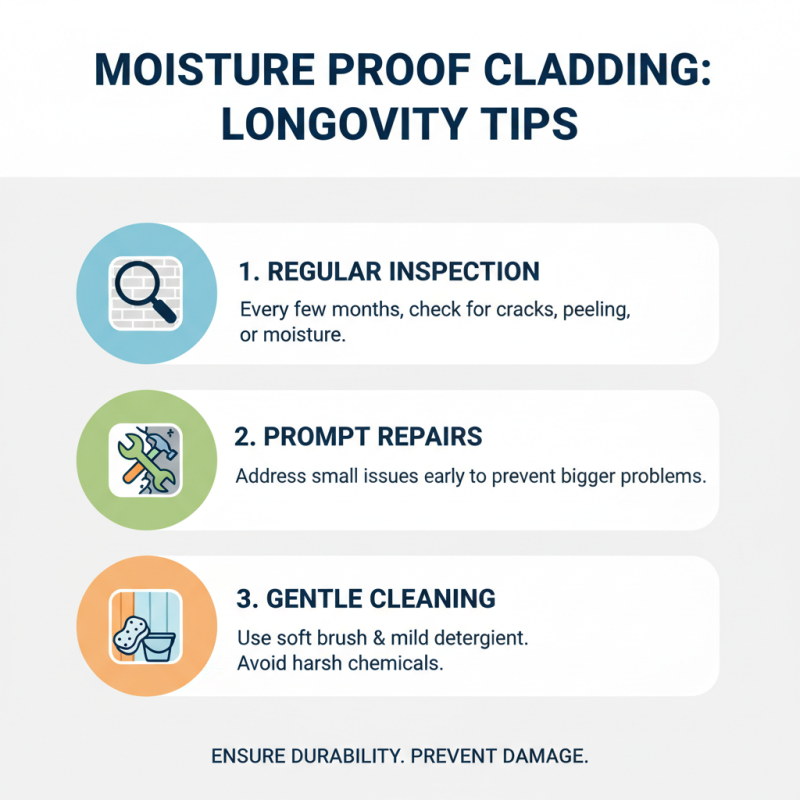
To ensure the longevity of moisture-proof cladding, regular maintenance is crucial. Inspect the cladding for any signs of wear or damage every few months. Look for cracks, peeling, or signs of moisture buildup. Addressing small issues early can prevent larger problems. Use a soft brush and mild detergent for cleaning. Harsh chemicals can damage the cladding, reducing its effectiveness.
Another important aspect is proper sealing. Ensure that joints and edges are well-sealed to prevent moisture intrusion. Over time, seals can wear out. Check and replace them as needed. Allowing moisture to seep in can lead to mold and structural damage. It is easy to overlook these details, but they significantly affect the cladding's performance.
Additionally, be mindful of the environment surrounding your home. Trees and shrubs near the walls can trap moisture. Routine trimming can help maintain airflow. Ensuring good drainage around the house also helps. Rainwater should flow away, not pool near the walls. A proactive approach makes a difference in cladding durability. Maintain vigilance, and your moisture-proof cladding will serve you well.