Why Choose Wood Decks for Your Outdoor Living Space?
Choosing wood decks for your outdoor living space can significantly enhance its appeal. According to the National Association of Realtors, a well-constructed deck can yield a return on investment upwards of 70%. This statistic emphasizes the value of wood decks in boosting property value.
Wood decks are not just a trend; they offer timeless charm and natural beauty. Durable and versatile, they can withstand varying weather conditions. Reports show that treated wood can last 15 to 30 years with proper maintenance. However, homeowners should consider the upkeep required to maximize durability. Regular sealing, staining, and inspection are essential steps.
Additionally, ecologically sourced wood leads to sustainable practices. The Forest Stewardship Council states that responsibly sourced timber can positively impact the environment. This aspect appeals to eco-conscious homeowners. However, balancing aesthetics with sustainability requires thoughtful decisions. Ultimately, wood decks provide both beauty and value when chosen wisely.
Benefits of Wood Decks for Outdoor Living Spaces
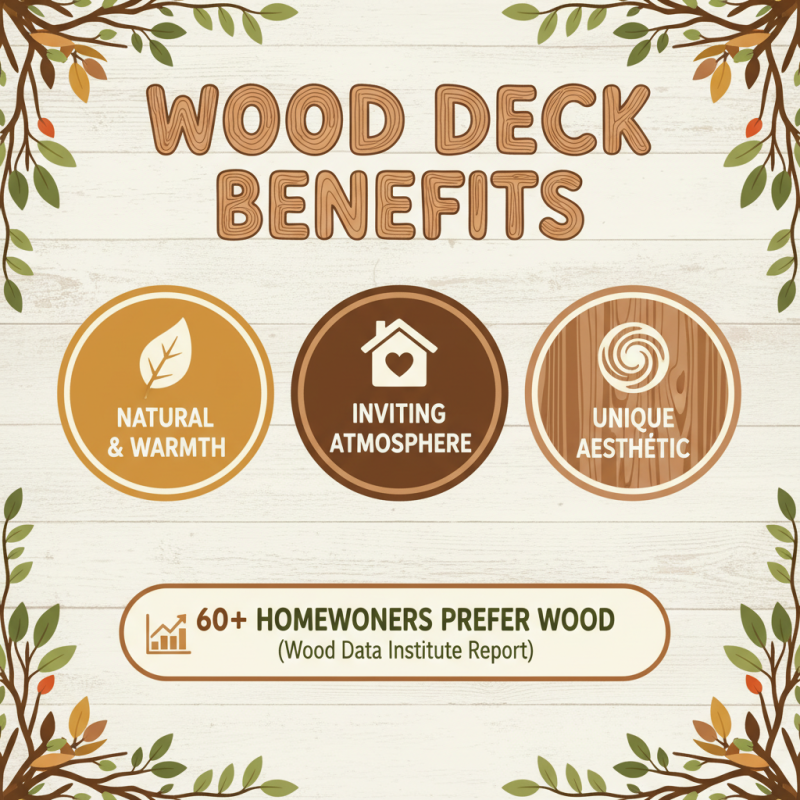
When considering outdoor living spaces, wood decks offer undeniable advantages. They bring natural beauty and warmth, making spaces inviting. A report from the Wood Data Institute shows that over 60% of homeowners prefer wood for its aesthetic appeal. The rich texture and color variation in wood create a unique atmosphere.
Durability is another key benefit. Properly maintained, wood decks can last over 20 years. According to the American Forest & Paper Association, treated wood withstands moisture, pest intrusion, and decay. However, it requires regular maintenance, including sealing and staining, to reach its potential lifespan. This need for upkeep can be a downside, as neglect might lead to repair costs.
Wood decks also enhance property value. A study by Remodeling Magazine found that wood decks can recoup up to 70% of their installation cost upon resale. This statistic highlights their long-term value for homeowners. However, potential buyers often seek guarantees about the deck's condition. Regular checks and maintenance records can reassure future buyers. Balancing beauty with responsibility is crucial in maintaining this outdoor asset.
Types of Wood Materials for Deck Construction
When considering wood decks for your outdoor living space, selecting the right wood material is crucial. Different types of wood can significantly influence both aesthetics and durability.
Common choices include cedar, redwood, and pressure-treated pine.
Cedar is resistant to decay and has a pleasant scent. Its rich color enhances any outdoor design. Meanwhile, redwood stands out for its natural beauty and longevity. It tends to be more expensive but is often worth the investment.
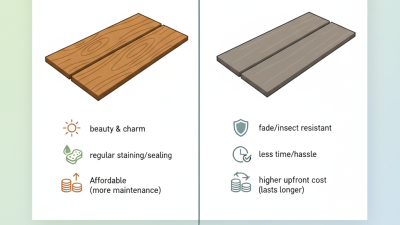
Pressure-treated pine is a popular option for those on a budget. It is affordable and widely available. However, its longevity may not match that of cedar or redwood. Maintenance is important to prevent warping and splintering. Regular sealing or staining can extend its life. Choosing the right wood depends on your specific needs and preferences.
Balancing cost against durability can be tricky. You may need to reconsider your options as they relate to your unique outdoor environment.
Maintenance and Care for Wood Decks
Wood decks can elevate any outdoor living space. However, they require consistent maintenance and care. To keep a wooden deck looking pristine, regular cleaning is key. Remove dirt, leaves, and debris frequently to prevent mold and rot. A simple hose down can work wonders, but deep cleaning should be performed annually.
Sealing the wood is another critical step. This protects against moisture and UV rays. Choose a good sealant to enhance the deck's lifespan. It’s also important to inspect for loose boards or nails. Wood can expand and contract with temperature changes. This can lead to splintering and injuries, which need immediate attention.
Even with care, imperfections may arise. Scratches and fading can happen over time. Embracing these signs of wear can give the deck character. Reflecting on these elements helps in planning future maintenance. Taking proactive steps can ensure a beautiful, functional outdoor space for years to come.
Why Choose Wood Decks for Your Outdoor Living Space?
Design Ideas for Enhancing Wood Deck Aesthetics
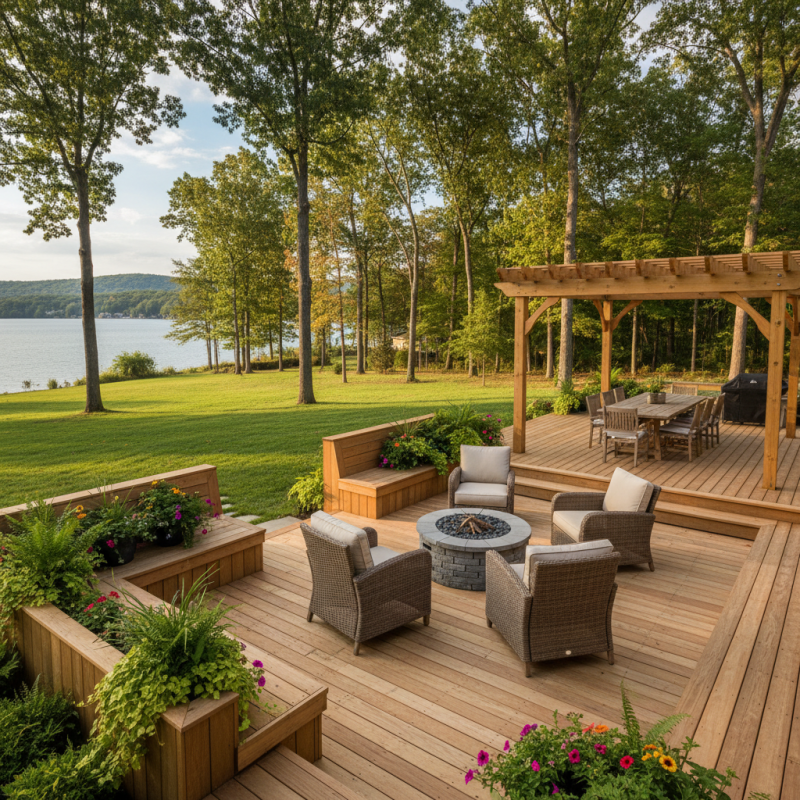
Creating a wood deck can elevate your outdoor living space. It adds warmth and beauty to any yard. To enhance its aesthetics, focus on integrating natural elements. Consider adding planters with colorful flowers. These add life and are easy to maintain.
Lighting plays a crucial role in deck design. String lights can create a cozy ambiance. Solar path lights enhance safety and visibility. Use lanterns for a classic touch. These small details significantly improve the overall look without needing extensive redesign.
Textures matter too. Combine smooth deck surfaces with rough stone features. A wooden bench can provide seating while adding a rustic feel. Perhaps think about experimenting with different finishes and stains. Each choice can lead to unique vibes. Balancing different materials can be tricky yet rewarding. Embrace the imperfections in design, as they often tell a story.
Environmental Considerations of Wood Decking Choices
Choosing wood decks for outdoor living spaces offers distinct environmental advantages. Wood is a renewable resource, unlike synthetic materials. Trees absorb carbon dioxide, contributing to a healthier atmosphere. When sourced sustainably, wood decking supports responsible forestry practices. This approach maintains ecosystems and promotes biodiversity.
However, it's essential to consider the life cycle of wood products. Not all wood is created equal. Some treatments can be harmful, impacting soil and water quality. Researching certification labels can guide consumers toward eco-friendly options. For example, wood that’s treated without harsh chemicals poses fewer risks.
Additionally, the maintenance of wood decks can be a double-edged sword. Regular sealing and staining extend lifespan but may require chemical products. Homeowners should weigh the environmental costs against the benefits. Embracing wood decks may inspire deeper reflection on our ecological footprint. Ultimately, informed choices are vital for a sustainable outdoor space.