What is Composite Decking Benefits and Features Explained?
Composite decking has revolutionized outdoor spaces, providing both beauty and durability. Industry expert John Smith, a veteran in the decking business, emphasizes, “Composite decking is not just a trend; it’s the future of outdoor living.” This material combines recycled wood fibers and plastic, making it eco-friendly and low-maintenance.
The benefits of composite decking are not limited to its appearance. It is resistant to fading, staining, and scratching, offering longevity that traditional wood simply cannot match. However, homeowners must consider the initial cost, which is higher than that of wood. Yet, the long-term savings in maintenance and replacement can outweigh that concern.
While composite decking offers many advantages, it requires reflection on its limitations. It can be susceptible to heat absorption, leading to discomfort on sunny days. Understanding these features is crucial for making an informed choice. In the end, composite decking stands out as a reliable option for modern outdoor living.
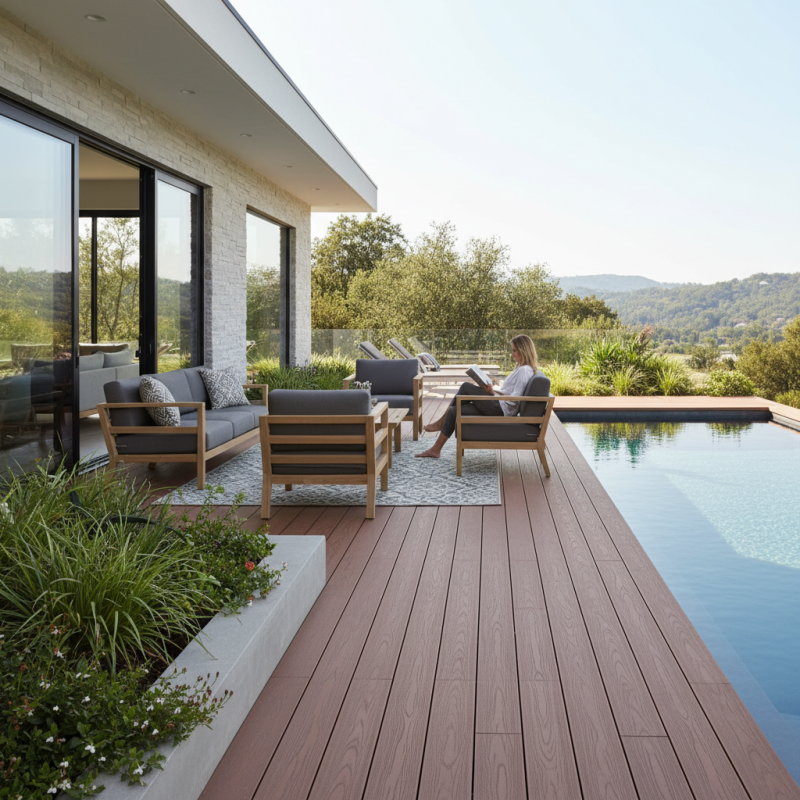
Benefits of Composite Decking: Durability and Longevity Statistics
Composite decking offers remarkable durability and longevity, making it a smart choice for outdoor spaces. According to industry reports, composite decking typically lasts 25 to 30 years, significantly outpacing traditional wood. This longevity comes from materials that resist rot and decay. Many homeowners appreciate that they spend less on maintenance over time, with studies showing a 60% reduction in upkeep costs compared to wood.
When selecting composite decking, consider local climate conditions. Extreme weather can affect the performance of materials. Look for options that offer UV protection to prevent fading. Also, some products feature slip-resistant surfaces, enhancing safety in wet conditions. As you're choosing, be mindful of varying qualities; not all products perform equally under stress.
For homeowners, investing in composite decking is also about sustainability. Many composite materials are made from recycled products, reducing environmental impact. The average composite deck uses approximately 1400 recycled plastic bags and 90,000 recycled plastic bottles, making it an eco-friendly choice. Remember, investing wisely will pay off in the long run, providing both beauty and functionality for your outdoor space.
What is Composite Decking Benefits and Features Explained?
| Benefit Feature |
Detail |
Statistic |
| Durability |
Resistant to rot, splinters, and insect damage |
Lasts 25-30 years with proper maintenance |
| Low Maintenance |
Requires only soap and water for cleaning |
Maintenance costs can be up to 60% less than wood |
| Environmental Sustainability |
Made from recycled materials |
Up to 70% recycled content |
| Aesthetic Versatility |
Available in a variety of colors and finishes |
No need for painting or staining |
| Safety |
Slip-resistant texture available |
Reduces risk of accidents in wet conditions |
Environmental Impact: Sustainable Materials in Composite Decking
Composite decking has gained traction for its environmental benefits. Made primarily from
recycled materials, it contributes to reducing waste.
Unlike traditional wood, composite boards utilize plastics and reclaimed wood fibers, minimizing deforestation.
Using sustainable materials offers several advantages. They require less maintenance and have a longer lifespan
than wood. This durability means fewer resources spent on repairs or replacements. The production process often emits
fewer carbon emissions, making composite decking a greener choice.
Tips for choosing materials: Look for products with certifications indicating recycled content. Opt for
local manufacturers to reduce transportation emissions. Consider the entire lifecycle of the decking material.
Higher upfront costs may lead to long-term savings and environmental benefits.
Remember, not all composite products are created equal. Research their components thoroughly to ensure sustainability.
Cost Comparison: Composite Decking vs. Traditional Wood Options
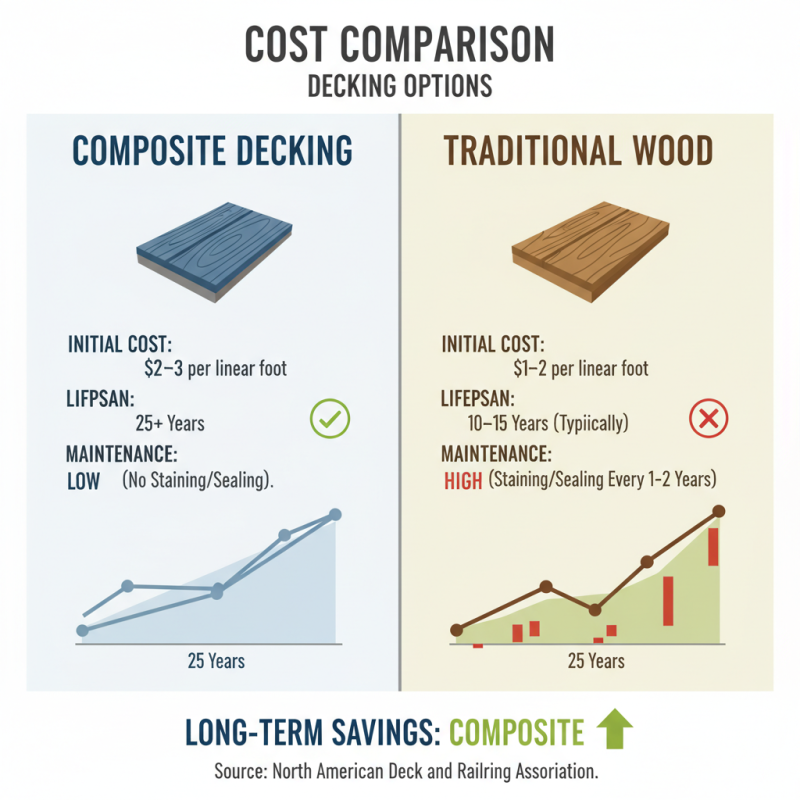
When comparing costs between composite decking and traditional wood options, it's essential to consider several factors. Composite decking tends to have a higher initial price, often ranging from $2 to $3 per linear foot, compared to $1 to $2 for wood. However, the long-term savings can be significant. According to the North American Deck and Railing Association, composite materials can last up to 25 years or more with minimal maintenance. In contrast, wooden decks may require more frequent staining and sealing, adding to their overall cost.
Maintenance is a crucial consideration. While wood often needs yearly upkeep, composite decking generally requires less effort. This can save homeowners both time and money. Yet, some may find that the upfront investment in composite materials can be challenging to justify without thorough budget planning.
Tips for budgeting: consider your long-term plans for your outdoor space. Calculate potential maintenance costs for wood versus composite materials. Research local market prices; labor and installation fees may vary. Assess your lifestyle, especially if time constraints affect your ability to maintain a wooden deck. Recognizing these aspects may help you feel more confident in your choice, even if it doesn't have to be perfect on the first attempt.
Maintenance Requirements: Ease of Care in Composite Decking
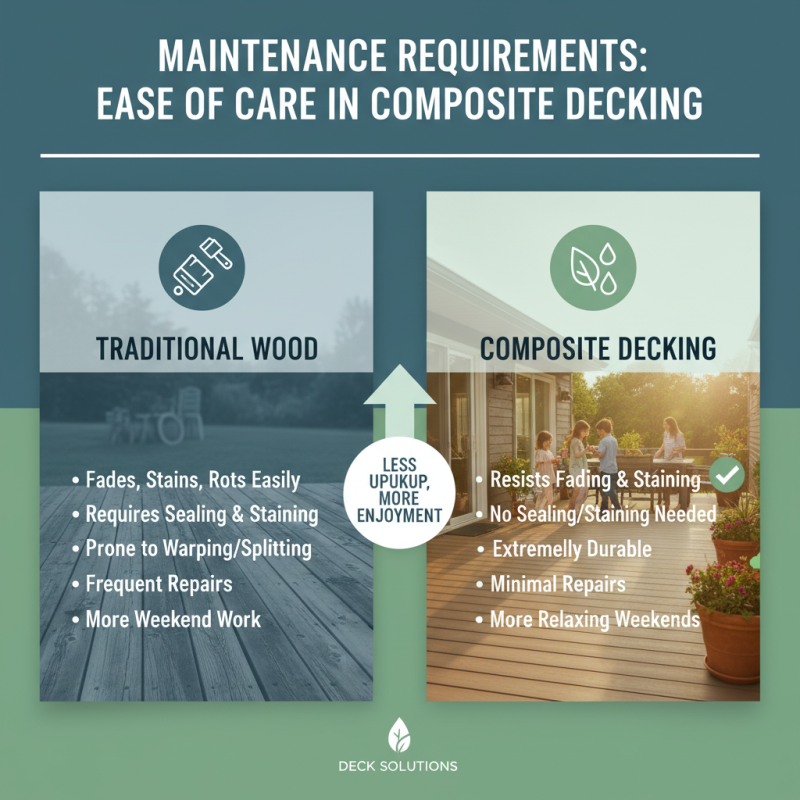
Composite decking is gaining popularity due to its low maintenance requirements. Unlike traditional wood, composite materials resist fading, staining, and rotting. This durability means less time spent on upkeep. Homeowners appreciate spending weekends enjoying their decks instead of constantly repairing them.
Cleaning composite decking is simple. Regular sweeping and occasional washing with soap and water are often all that is needed. This ease of care allows you to focus on using your outdoor space rather than maintaining it. However, some users report that dirt can build up in textured surfaces. They suggest using a soft brush for a thorough clean.
Another point to consider is the long-term appearance. While composite decking doesn’t splinter and is resistant to mold, it can still show signs of wear over time. Some shades may fade under direct sunlight. Keeping these factors in mind can help homeowners make informed decisions about their outdoor spaces. Proper care will enhance the lifespan and beauty of your decking.
Aesthetic Appeal: Design Versatility and Customization Options
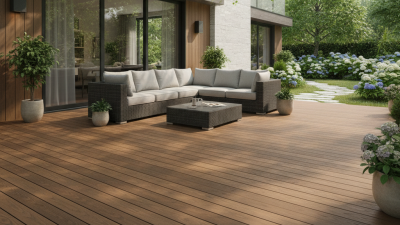
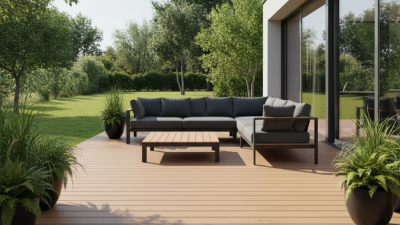
Composite decking offers remarkable aesthetic appeal, enhancing any outdoor space. Its design versatility allows homeowners to create unique environments that reflect personal style. From rich earth tones to vibrant hues, the options are extensive. Many enjoy the ability to customize their decks, choosing colors and textures that harmonize with their surroundings.
One notable feature of composite decking is its realistic wood-like appearance. It mimics the beauty of natural wood without the associated maintenance issues. However, some might feel that certain composite materials lack the warmth of genuine wood. Balancing aesthetics and practicality can be challenging. Some homeowners find it essential to choose designs that stand the test of time while maintaining their original charm.
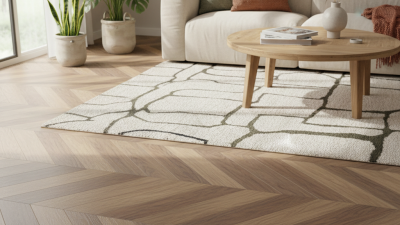
The texture of composite materials also plays a crucial role in design. Some surfaces feature a smooth finish, while others have a more textured feel. This invites thoughtful consideration of both visual and tactile experiences. As evolving trends influence outdoor design, staying informed can help homeowners ensure their decks remain appealing for years to come.
Composite Decking Aesthetic Appeal: Benefits and Features
This chart illustrates the benefits and features of composite decking, demonstrating its aesthetic appeal through design versatility and customization options. The data represents various features and their corresponding appeal ratings on a scale of 1 to 10, showing how composite decking compares to traditional materials.