What Is Waterproof Decking and How Does It Work?
Waterproof Decking protects outdoor living spaces from rain, moisture, and hidden structural damage. Unlike ordinary deck boards, it forms a water-resistant surface above the framing. The system can include vinyl membranes, liquid-applied coatings, composite panels, or carefully sealed tile assemblies. Each option works differently. Yet the goal remains similar: guide water away before it reaches vulnerable materials.
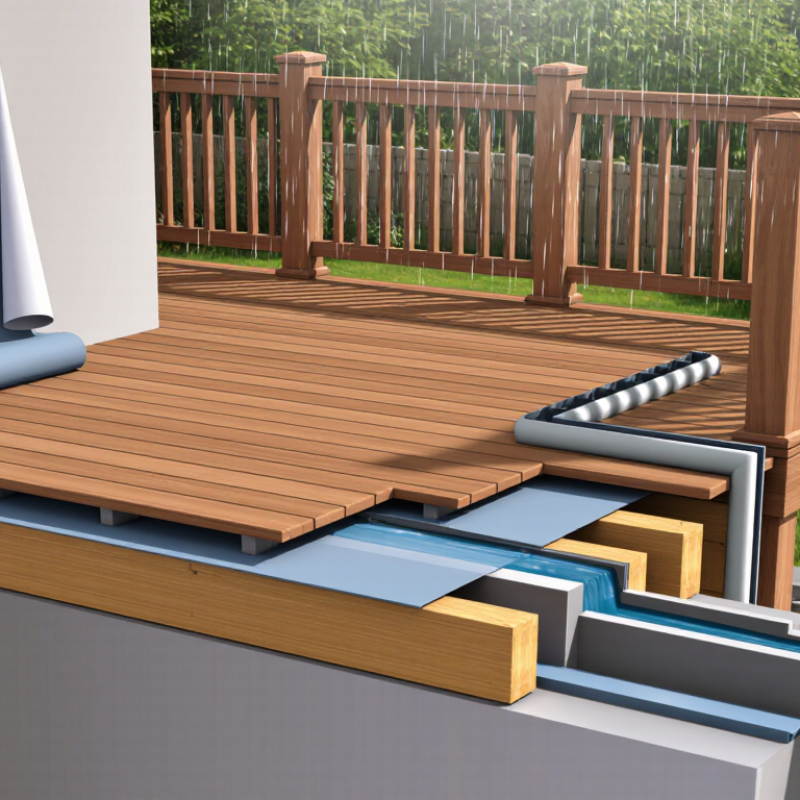
A typical installation uses a sloped surface, sealed seams, edge flashing, and drainage paths. The slope may look subtle, but it helps rain move toward gutters or designated outlets. A membrane usually overlaps at joints and turns upward against walls. Professionals also inspect penetrations around railings, posts, and doors. These small areas often become the first failure points. Waterproofing is not simply paint.
Material quality matters, but installation accuracy matters just as much. A reputable contractor should follow current manufacturer instructions and explain expected maintenance. They should also check the deck’s framing, fasteners, drainage, and surface condition before covering anything. Waterproof Decking can reduce leaks, stains, and premature rot, but no system is completely maintenance-free. That promise deserves skepticism. Even a well-installed surface may develop damage after severe weather, movement, or poor repairs. Regular inspections can reveal lifted seams, cracked coatings, blocked drains, or soft framing before problems spread. Choosing the right system requires climate, traffic, budget, and building design to be considered together. A practical evaluation may prevent an expensive mistake.
Definition and Core Purpose of Waterproof Decking
Waterproof decking is a deck surface system designed to stop liquid water from reaching the structure below. Its core purpose is protection, not decoration. Unlike ordinary water-resistant materials, it uses a continuous barrier, sealed joints, and controlled drainage. The barrier may sit beneath the walking surface or form the visible surface itself. In both arrangements, water should move toward an edge, drain, or designated outlet rather than collect around framing.
From field inspections, the most reliable systems begin with a slight, consistent slope. Even a strong membrane can fail when puddles remain for days. Installers must treat corners, fasteners, wall connections, and board transitions as critical points. These areas need compatible seals and careful detailing. A small unsealed penetration can undermine a large protected area. The deck also needs enough ventilation and access for inspection, because trapped moisture can damage timber, metal, or concrete quietly. It often starts unseen.
Waterproof decking therefore functions as a moisture-management assembly. It sheds rain, limits absorption, and helps preserve the supporting structure and rooms below. Proper installation requires substrate preparation, measured falls, clean bonding surfaces, and approved testing methods, even when the product seems simple. Maintenance still matters. Leaves, grit, and blocked outlets can defeat good design. No system is flawless. I would avoid calling a deck waterproof without checking seams after movement, temperature changes, and heavy storms. That caution is less impressive, but more honest.
Key Materials Used in Waterproof Decking Systems
What Is Waterproof Decking and How Does It Work?
Waterproof decking uses layered materials to stop rain from reaching the structure below. The main barrier is usually a flexible membrane made from PVC, TPO, or EPDM. These sheets resist water, sunlight, and regular foot traffic when installed correctly. Some systems use liquid-applied polyurethane or acrylic coatings instead. The coating flows around corners and small surface irregularities. It then cures into a continuous waterproof layer. The surface matters.
A strong system also needs compatible primers, seam tapes, adhesives, and sealants. These materials help the membrane bond to concrete, wood, or metal edges. Sealants protect joints around posts, drains, doors, and wall connections. Metal or polymer flashing directs water away from vulnerable transitions. Without proper flashing, even a high-quality membrane can fail at the perimeter. Details decide performance.
A protective wear layer may include textured coating, deck tiles, pavers, or composite boards installed above the membrane. This layer limits damage from chairs, grit, heat, and repeated walking. Drainage mats and sloped substrates help water move toward outlets instead of pooling. Experienced installers check these slopes before covering the system. A small depression can hold water for days. That problem is easy to underestimate. In practice, material compatibility matters as much as material quality. A primer may work well on concrete but perform poorly on damp timber. Installation temperatures, curing time, and surface cleanliness also affect reliability. Waterproofing is not forgiving. Regular inspections should look for blisters, open seams, cracked sealants, and blocked drains. Minor defects are cheaper to repair before moisture reaches the deck structure.
What Is Waterproof Decking and How Does It Work?
Waterproof decking uses a continuous membrane, sealed joints, edge details, and protective surfacing to prevent water from reaching the deck structure. The chart compares typical service-life ranges for commonly used waterproofing materials; actual performance depends on installation quality, climate, traffic, and maintenance.
Key materials: PVC, TPO, and EPDM are sheet membranes installed over a prepared deck. Liquid-applied polyurethane and acrylic systems cure in place to form seamless coatings around complex details. Proper drainage, flashing, and sealed penetrations are essential to every waterproof decking system.
How Waterproof Decking Prevents Water Damage
Waterproof decking is a walking surface built over a sealed drainage system. Its main defense is usually a continuous membrane beneath the finish layer. The membrane turns rainfall into controlled runoff. Sloped framing directs water toward drains or edges, while sealed seams and upturned flashing protect walls and penetrations.
The USDA Forest Products Laboratory reports that fungal decay generally requires wood moisture above about 30 percent, near its fiber saturation point. That matters beneath decks, where trapped water can remain unseen. The U.S. Environmental Protection Agency also warns that mold may begin growing within 24 to 48 hours after water exposure. A properly installed membrane limits this exposure by blocking leaks before they reach plywood, joists, and interior ceilings.
Details decide performance.
During field inspections, weak points often appear around posts, doors, railings, and fasteners. These areas need compatible flashing, reinforced corners, and carefully sealed transitions. Drain outlets should remain accessible and free from leaves. Even a small puncture can redirect water into framing members.
Waterproofing is not the same as water resistance. Coatings may shed rain, but they cannot repair poor slope or open joints. The National Roofing Contractors Association emphasizes that drainage, flashing, and membrane continuity must work together. That principle applies here too. I sometimes see beautiful deck finishes hiding questionable drainage. Appearance can mislead. Regular checks after heavy rain remain worthwhile, especially when staining, soft spots, or ceiling marks appear below.
Installation Stages and Structural Considerations
What Is Waterproof Decking and How Does It Work?
Waterproof decking uses a sealed surface to stop rain from reaching the structure below. The system usually includes a sloped deck, waterproof membrane, edge flashing, and controlled drainage. Installation begins with an inspection of joists and supports. Damaged timber should be replaced before covering anything. The surface needs a slight fall, often toward a drain or outer edge. Flat areas can hold water and create hidden damage.
The membrane is installed over a clean, stable substrate. Seams must be sealed carefully, especially around posts, walls, and door thresholds. Flashing directs water away from vulnerable joints. Installers should also leave room for natural expansion and contraction. Deck boards or tiles are added only after the waterproof layer passes inspection.
Structural checks matter throughout the work. Added finishes can increase dead load, while blocked ventilation may trap moisture below. A small error near one joint can undermine the entire system.
Tips:
Check the slope with a level before membrane installation. Keep drainage outlets accessible. Use compatible sealants and follow their curing times. Photograph concealed layers for future repairs. Do not cover soft wood. This step is often rushed, and that is a mistake. Local building requirements may also affect guardrails, drainage, and load capacity.
Maintenance Needs, Benefits, and Common Limitations
Waterproof decking uses a sloped surface, sealed joints, and a drainage layer to redirect rainwater. It does not make the entire deck structure waterproof. Water still wins.
Maintenance is usually lighter than with exposed wood, but it is never maintenance-free. Inspect seams, edge flashing, drains, and rail penetrations after heavy rain. Remove leaves before they form a wet, slippery mat. A soft brush and mild cleaner usually protect the surface better than aggressive pressure washing. The USDA Forest Products Laboratory’s Wood Handbook identifies moisture control as a primary defense against fungal decay. That principle matters beneath the visible surface, too.
The benefits include improved space beneath the deck, fewer rot risks, and more usable outdoor areas during wet seasons. The National Association of Realtors’ 2022 Remodeling Impact Report estimated 83% cost recovery for a new wood deck and 68% for a composite deck, although those figures do not measure waterproofing systems specifically. That limitation matters. Waterproof decking can cost more upfront, and repairs may require removing finished boards to reach hidden membranes. Poor slope, clogged drains, or careless fastener placement can also create leaks. Experienced installers test drainage before closing the system. I would still question any promise of “zero maintenance,” because ultraviolet exposure, movement, and small punctures remain ordinary problems.