What is Pool Decking Benefits and Types Explained?
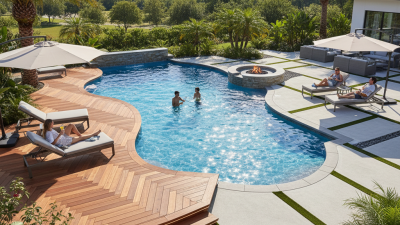
Pool decking is a vital aspect of pool design that enhances both functionality and aesthetics. It serves as the surrounding area where people gather, providing safety and comfort. According to a report by the National Association of Pool Builders, over 70% of homeowners prioritize pool decking choices when constructing their pools. Expert and landscape architect, John Smith, emphasizes, "A well-designed pool deck can transform an ordinary pool into a stunning oasis."
Various materials are available for pool decking, each offering unique benefits. Concrete is a popular choice for its durability and low maintenance. Wooden decks, while attractive, require more upkeep. Composite materials blend durability with aesthetic appeal, catering to diverse customer preferences. Yet, many homeowners struggle to choose the right type for their needs.
Understanding the benefits of pool decking can lead to informed decisions. Not only does it enhance the pool area’s safety, but it also adds value to the property. However, selecting the best material can be overwhelming. Homeowners sometimes overlook critical aspects like slip resistance and heat retention. These considerations are essential for long-term satisfaction and safety. Careful planning and guidance from professionals can help achieve the perfect design.
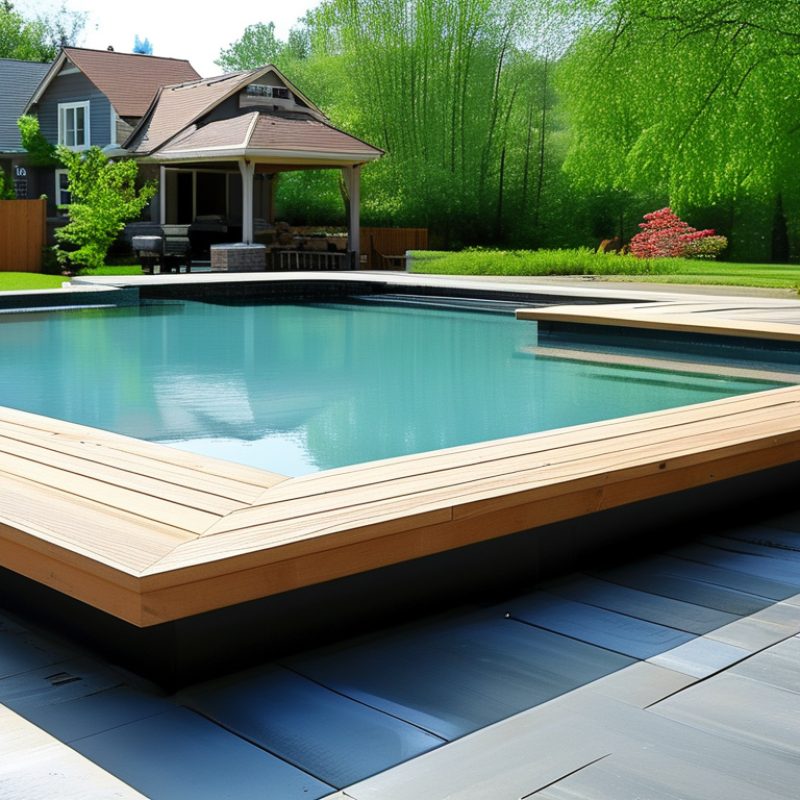
Benefits of Pool Decking: Enhancing Safety, Aesthetics, and Functionality
Pool decking is vital for any swimming area. It enhances safety, aesthetics, and functionality. A well-designed pool deck prevents slips and falls. Non-slip materials can minimize accidents, especially when wet. This is particularly important for families with children. Parents can relax more when they know their kids are safer around the pool.
Aesthetically, pool decking can transform your backyard into an oasis. Many materials, like wood, composite, or stone, offer various designs. These choices help create a harmonious look with landscaping. Attractive decking can elevate the overall ambiance of your outdoor space. It can become a space for gatherings or relaxation. But some designs may require frequent maintenance and care, which can be a drawback.
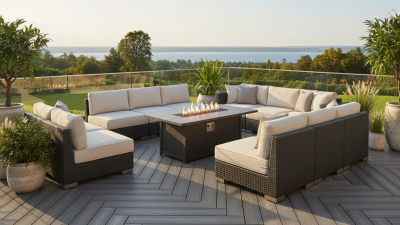
Functionality is another crucial aspect of pool decking. Decks can serve as extensions of living areas. You can add furniture, loungers, and even outdoor kitchens. However, poor design may lead to inefficiencies, such as inadequate drainage or limited space. Thoughtful planning is essential to maximize usability. It’s important to weigh all these factors carefully for an ideal outcome.
What is Pool Decking Benefits and Types Explained?
| Type of Pool Decking |
Benefits |
Aesthetics |
Durability |
Safety Features |
| Concrete |
Cost-effective and customizable |
Modern and sleek |
Highly durable |
Can be textured for traction |
| Stone |
Natural appearance and longevity |
Elegant and unique |
Very strong |
Non-slip surface options |
| Wood |
Warm and inviting feel |
Natural and rustic |
Requires maintenance |
Can be treated for slip resistance |
| Pavers |
Versatile and easy to replace |
Variety of designs and colors |
Last long with proper installation |
Interlocking design enhances safety |
| Composite Decking |
Low maintenance and eco-friendly |
Available in various colors |
Resistant to fading and rotting |
Built-in traction |
Common Materials Used for Pool Decking: Pros and Cons Explained
When considering pool decking, the choice of materials greatly impacts both aesthetics and functionality. Concrete is a common option. It’s durable and can be stamped for various designs. However, it can become hot under direct sunlight, which may be uncomfortable for bare feet.
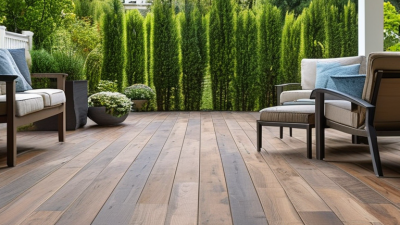
Wood is another popular choice, offering a natural look. It’s warm and inviting, perfect for creating a cozy atmosphere. Yet, wood requires regular maintenance to prevent rotting and splintering. Without proper care, it can become less appealing over time.
Stone provides a luxurious appearance, making pools look more upscale. It’s incredibly durable and slip-resistant, ideal for wet areas. On the downside, stone can be quite expensive and may also become hot. Each material presents unique challenges and benefits that should be carefully considered.
Comparative Analysis of Decking Types: Concrete, Wood, and Composite
When considering pool decking options, it’s important to analyze the three main types:
concrete,
wood, and
composite.
Concrete decking is a durable choice. It withstands weather and requires little maintenance. However, it can become hot under direct sunlight. This may make it uncomfortable for bare feet during summer.
Wood decking offers a natural look that many homeowners love. It provides warmth and elegance around the pool area. However, wood requires regular maintenance, such as sealing and staining. Over time, it can warp or splinter, raising safety concerns. The charm of wood can sometimes overshadow these issues, but it’s crucial to weigh the potential drawbacks.
Composite decking blends the best features of wood and plastic. It’s resistant to rot and fading, making it a low-maintenance option. That said, it can be expensive compared to wood and concrete. Some find it less appealing visually. Each type has its pros and cons, ultimately depending on personal preferences and lifestyle. Consider your usage, maintenance willingness, and aesthetics before making a decision.
Durability and Maintenance: Understanding Lifespan of Pool Deck Materials
When considering pool decking, durability and maintenance are paramount. The right materials can withstand harsh weather and frequent use. Concrete, for instance, offers a solid lifespan but may require regular sealing. Wood may look appealing, but it tends to rot faster and needs frequent upkeep. Understanding these differences helps in making informed decisions.
Tips: Regularly check for cracks or wear on your pool deck. Prompt repairs can extend its lifespan significantly. Consider using slip-resistant materials for safety.
Choosing the perfect material for your pool deck is essential. Seats made from natural stone are long-lasting but can feel hot underfoot in direct sunlight. Understanding each option's maintenance needs ensures you select a deck that complements your lifestyle. It's important to weigh aesthetics against functionality too.
Cost Considerations: Budgeting for Pool Decking Installation and Upkeep
When planning for pool decking, cost considerations play a crucial role. According to industry reports, the average cost of pool deck installation ranges from $12 to $30 per square foot. This can vary based on materials, design, and labor. Concrete, for example, is often budget-friendly, while natural stone can escalate costs significantly. Homeowners must assess their budget against their design aspirations.
Maintenance costs for pool decking can also add up. Sealants may need to be reapplied every one to three years, depending on materials and local climate. For wooden decks, staining and repairs are often necessary to prevent rot and splintering. Industry estimates suggest that annual maintenance can range from $200 to $600. These ongoing expenses are essential to consider while planning your project, as they can impact your long-term budget.
Cost overruns can occur, especially if unexpected repairs or material upgrades are needed. Investing time in research can help mitigate these surprises. Understanding local market prices and obtaining multiple quotes assist in making informed decisions. Ultimately, careful budgeting will enhance your poolside experience, balancing aesthetics with practicality.