Why Choose Composite Wood Decking for Your Outdoor Spaces?
Composite Wood Decking has gained popularity among homeowners for outdoor spaces. According to industry reports, the market for composite decking is projected to grow significantly. In fact, it is expected to reach over $5 billion by 2027. This growth is driven by the increasing demand for sustainable building products.
Many consumers are drawn to composite wood decking due to its durability and low maintenance. Unlike traditional wood, composite materials resist fading, splintering, and warping. This can save homeowners time and money in the long run. However, some consumers express concerns about the initial cost. Despite this, the long-term benefits often outweigh the upfront investment.
Choosing composite wood decking may not be the perfect solution for everyone. Some may lament the lack of natural wood aesthetics. Yet, modern composite options closely mimic the look of real wood. Therefore, it is essential to weigh the pros and cons carefully before making a decision.
Benefits of Composite Wood Decking Over Traditional Materials
Composite wood decking is gaining popularity for outdoor spaces, offering numerous benefits over traditional materials. Unlike wood, composite decking is made from a blend of recycled materials and plastic. This combination creates a durable surface that resists fading, scratches, and stains. Traditional wood decking requires constant maintenance, while composite wood requires minimal upkeep. It retains its color and texture longer, saving time and money.
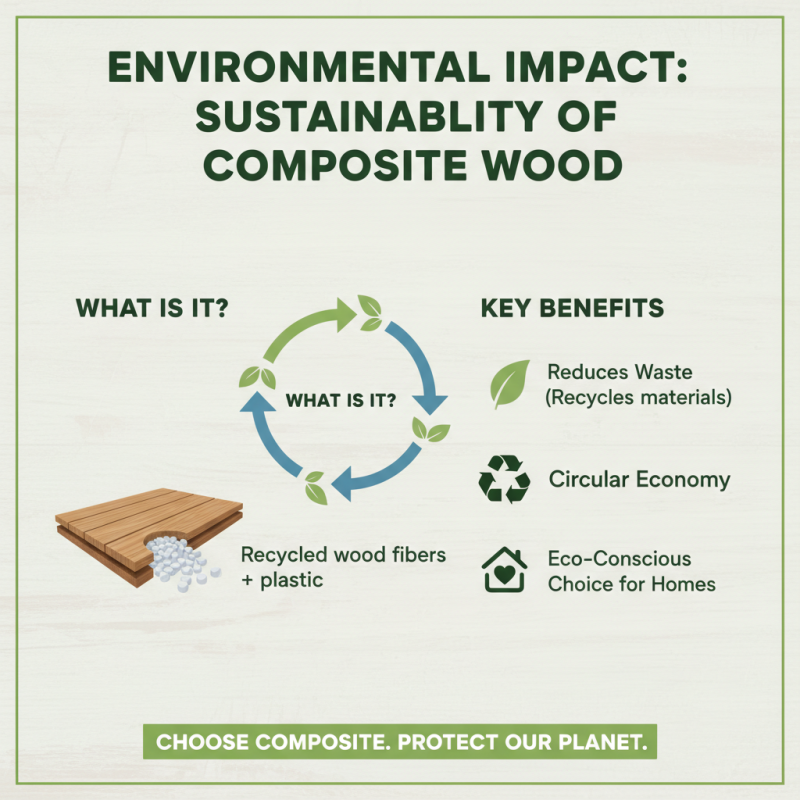
One of the standout advantages of composite wood is its eco-friendliness. It utilizes recycled materials, reducing waste and preserving natural resources. By choosing composite, you're making a sustainable choice that benefits the environment. It won’t splinter, making it safer for children and pets. Plus, its moisture-resistant properties help prevent mold and mildew, which is a common issue with wood.
Tip: When selecting composite decking, consider your climate. Not all composites perform equally in extreme heat or cold. Another consideration is the texture. Some composites mimic wood grain, creating an authentic look. Yet, others have a smoother finish, which might not be ideal in wet conditions. Test samples in your outdoor space to see what fits best. Remember, aesthetics and functionality matter equally.
Benefits of Composite Wood Decking Over Traditional Materials
This bar chart compares the key benefits of composite wood decking against traditional wood decking, showcasing how composite decking excels in durability, maintenance, aesthetics, and environmental impact, while also illustrating the long-term cost efficiency.
Durability and Lifespan: A Comparison of Composite vs Wood Decking
Composite wood decking has gained popularity due to its impressive durability compared to traditional wood. It offers resistance to rot, splintering, and insect damage. This durability means less maintenance over time. Homeowners can enjoy their outdoor spaces without constant worry. Regular wood may require sealing or staining. These tasks can be time-consuming and costly.
Lifespan is another critical factor. While traditional wood decking may last around 15 to 20 years, composite decking can last up to 25 years or more. This factor reflects not just longevity, but also value. Although initial costs might be higher, the long-term savings in maintenance and replacements make composite an appealing choice.
Yet, it's essential to consider the environmental impact. While composite decking is often made from recycled materials, not all brands are eco-friendly. Understanding what goes into your decking is crucial. Some homeowners report fading colors or scratches over time, which can be disheartening. Addressing these issues requires careful product selection. Balancing durability with sustainability is key to making the right choice for your outdoor spaces.
Why Choose Composite Wood Decking for Your Outdoor Spaces?
| Feature |
Composite Wood Decking |
Natural Wood Decking |
| Durability |
Highly resistant to water, rot, and insect damage |
Susceptible to water damage and pests without treatment |
| Lifespan |
25-30 years with minimal maintenance |
10-15 years depending on maintenance |
| Maintenance |
Requires occasional cleaning; no staining or sealing |
Requires regular sealing, staining, and cleaning |
| Cost |
Higher initial cost but lower lifetime cost |
Lower initial cost but higher long-term maintenance costs |
| Environmental Impact |
Made from recycled materials; often recyclable |
Harvesting can contribute to deforestation |
Maintenance Requirements: Cost Analysis of Composite Decking
Composite wood decking has gained popularity for outdoor spaces due to its low maintenance needs. Homeowners can enjoy beautiful decks without excessive upkeep. Typical wood decks require regular staining and sealing, leading to higher long-term costs. Composite materials, however, resist fading and rotting. This durability means fewer repairs and replacements.
One key aspect to consider is cleaning. Composite decking typically requires occasional washing with soap and water. This is simpler compared to wood, where dirt and mildew can build up over time. A quick clean will keep your deck looking fresh.
Tips: To prevent scratches, avoid dragging furniture across the surface. Use a soft-bristle broom for routine maintenance. Also, consider applying a protective sealant every few years. This adds an extra layer of defense and helps maintain the appearance.
It’s wise to evaluate your budget for both initial costs and future upkeep. Investing in composite decking often pays off in reduced stress and more time enjoying your outdoor space.
Aesthetic Versatility: Design Options for Composite Decking Spaces
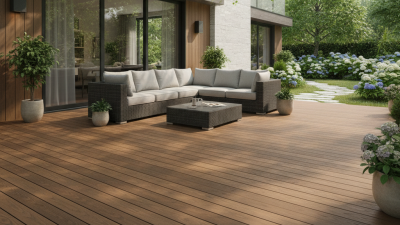
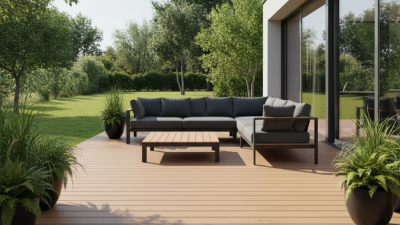
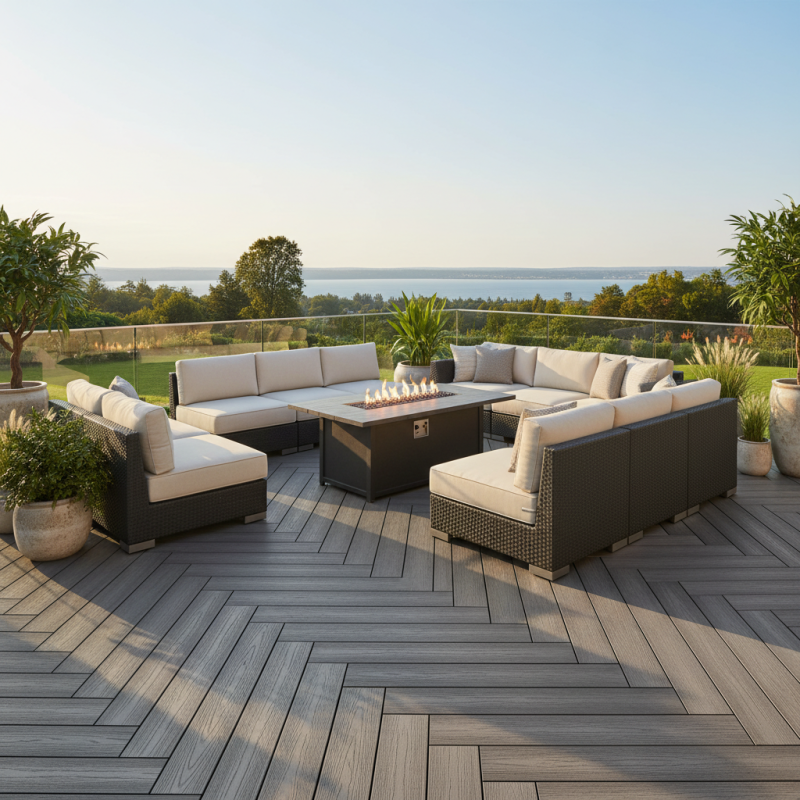
Composite wood decking offers incredible design versatility for outdoor spaces. You can choose from a variety of colors, textures, and finishes to fit your aesthetic needs. Imagine a warm, rich brown deck complementing lush green landscaping. Alternatively, a sleek grey deck can provide a modern, minimalist vibe. The options are virtually endless, allowing homeowners to express their unique style effortlessly.
In addition to aesthetics, composite decking mimics the look of natural wood without the upkeep. There is no need for regular staining or sealing. This durability makes it an appealing choice for busy homeowners. However, it is essential to consider the nuances of installation. For instance, ensuring a proper foundation can prevent future issues like warping or shifting. It’s also vital to blend the decking with existing outdoor elements for a cohesive look.
One common concern is how different colors might fade over time. While manufacturers claim longevity, real-world exposure varies. It’s worth seeking advice from seasoned professionals on color selection. Some shades may require more maintenance as the seasons change. Ultimately, choosing composite wood decking is about balancing beauty with practicality.
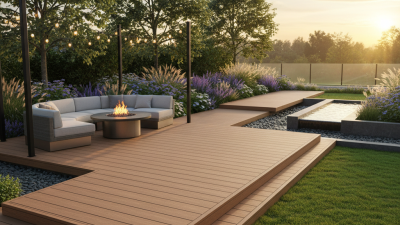
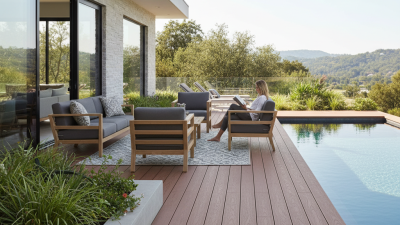
The right design can transform an ordinary outdoor area into a serene retreat.