Top 10 Waterproof Decking Options for Global Buyers?
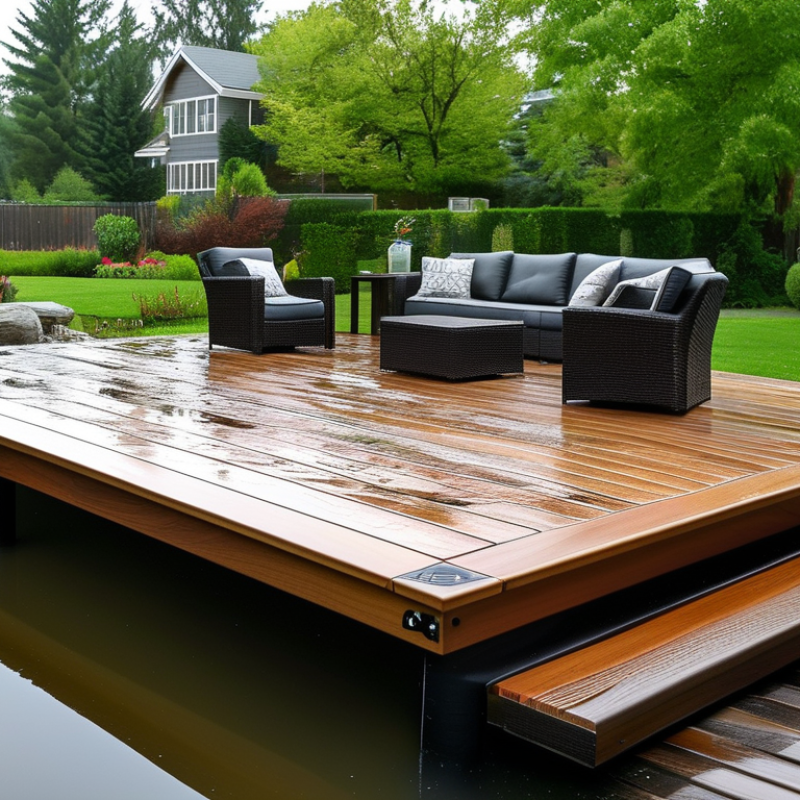
When it comes to enhancing outdoor spaces, waterproof decking stands out as a top choice. Global buyers seek materials that withstand harsh weather while maintaining aesthetic appeal. This versatile option prevents water damage and rot, extending the life of any deck.
Choosing the best waterproof decking requires careful consideration of various factors. Materials vary widely in quality and durability. Some brands have established a strong reputation, while others may lack proven performance. Therefore, understanding manufacturer credibility is essential for optimal choices.
Homeowners increasingly prioritize long-lasting solutions. However, issues can arise from installation errors or maintenance neglect. Buyers must be diligent about product specifications and care instructions. In the end, investing in the right waterproof decking ensures a beautiful and durable outdoor environment.
Overview of Waterproof Decking and Its Importance
Waterproof decking is increasingly essential for homeowners and builders alike. This type of decking offers protection against moisture damage, enhancing durability and longevity. In regions prone to heavy rainfall, waterproof solutions reduce maintenance costs significantly. Research indicates that approximately 35% of decking failures are due to water damage. Investing in waterproof options mitigates this risk.
Moreover, the importance of waterproof decking extends to safety. Slippery surfaces can lead to accidents. A study by the National Flooring Safety Institute points out that wet decks are a major hazard. Choosing materials with superior grip helps keep family and guests safe.
However, not all waterproof decking options are created equal. Some may not withstand harsh environmental conditions. This inconsistency raises concerns about performance over time. Users should thoroughly research materials and read reviews. Long-term effectiveness should be a critical factor when selecting waterproof solutions. Understanding these nuances is essential for making informed decisions.
Key Features to Consider When Choosing Waterproof Decking
When selecting waterproof decking, buyers should consider several key features that enhance durability and usability. One critical aspect is material composition. Many decking materials now include advanced synthetic options that resist moisture and mold. According to a recent industry report, synthetic decks can reduce water absorption by up to 35%. This statistic highlights the importance of material when aiming for longevity and sustainability.
Another vital factor is the surface texture. Textured surfaces offer better grip, reducing slip hazards in wet conditions. Rougher finishes can improve safety while providing a visually appealing aesthetic. Recent findings show that decks with non-slip textures can reduce accidental falls by approximately 22%. This safety statistic underscores the need for thoughtful surface selection.
Tips: Always examine warranties offered with waterproof decking. A longer warranty often indicates confidence in the product's durability. Additionally, consider the climate in your area. Harsh weather can impact deck performance, so select a decking option designed for your unique environment. Regular maintenance is essential to ensure the lifespan of your decking, regardless of the material choice.
Top 10 Waterproof Decking Options Overview
Top 10 Waterproof Decking Options with Pros and Cons
When selecting waterproof decking options, buyers should consider various materials and their pros and cons.
Composite decking is popular for its durability and low maintenance.
However, it can heat up in direct sunlight, making it uncomfortable to walk on bare feet during hot days. Traditional wood decking, while aesthetically pleasing, is susceptible to rot and requires regular sealing.
Vinyl decking stands out for its 100% waterproof nature. It often comes with long-lasting warranties. Yet, there are concerns regarding its environmental impact.
Aluminum decking is lightweight and very resistant to weathering, making it a good choice for harsh climates. Still, its metal surface can feel cold and hard, deterring those seeking comfort.
Another option is concrete decking, allowing for unique designs and finishes. While it’s extremely durable, cracks can develop over time, leading to potential water damage.
Each material presents distinct advantages and drawbacks. Understanding these nuances can help buyers make informed decisions that align with their lifestyle and environmental considerations.
Comparative Analysis of Materials Used in Waterproof Decking
When selecting waterproof decking materials, several options stand out. Each offers unique benefits and drawbacks.
Composite materials are popular due to their durability and low maintenance. These products resist moisture better than traditional wood.
However, they can sometimes require periodic cleaning to maintain their appearance.
PVC decking is another great choice. It is completely waterproof and ideal for wet climates. This material is resistant to mold and mildew, making it a strong contender.
Yet, some users might find its cost to be higher than wood alternatives. In addition, installation can be tricky for inexperienced DIYers.
Aluminum decking has become increasingly sought after. It’s lightweight and long-lasting, making it excellent for high-traffic areas.
However, this material can become quite hot under direct sunlight. This could be a drawback in sunny regions.
Considering all these factors helps buyers make informed decisions about their decking choices.
Cost Considerations and Long-Term Value of Waterproof Decking Options
Waterproof decking options are becoming increasingly popular among homeowners. However, the cost considerations play a vital role in decision-making. According to industry analysts, the average cost of waterproof decking can vary significantly. Some estimates suggest prices can range from $8 to $15 per square foot. These costs depend heavily on material choices and installation complexity.
Investing in waterproof decking can provide long-term value. Many products boast a lifespan of over 25 years with minimal maintenance. A recent report by Decking Market Insights indicates that owners can expect a 60% return on their investment when choosing durable materials. This statistic highlights the financial benefits of waterproof solutions, despite the upfront expenses.
Yet, not all options are created equal. It's essential to consider the environmental impact of materials. Some options may use toxic substances or unsustainable practices. Buyers often overlook these aspects, focusing solely on immediate costs. A more durable option might save money in the long run, but the initial price can be daunting for some. Balancing quality and cost requires careful research and evaluation.