A well-designed pool deck can transform a plain backyard into a comfortable outdoor retreat. Pool Decking also affects safety, drainage, maintenance, and the way people move around the water. The right choice depends on more than appearance. Your budget, climate, pool shape, and daily habits all matter.
This guide explores ten pool decking ideas for different spending levels. Options may include poured concrete, textured pavers, porcelain tiles, natural stone, composite boards, and carefully treated wood. Each material offers practical strengths and compromises. Concrete can be affordable and flexible, but it may become hot under strong sunlight. Natural stone looks distinctive, yet installation and sealing can increase long-term costs. Composite decking feels warm and modern, although its initial price may surprise some homeowners.
Small details often make the largest difference. A light-colored surface can reduce heat around bare feet. A slip-resistant finish can feel reassuring after children leave the pool. Proper slopes help rainwater move away from the house. Still, no material is perfect. I have seen attractive decks lose their charm because owners underestimated cleaning, fading, or seasonal repairs. That lesson deserves attention.
Before choosing a design, compare the full project cost rather than the material price alone. Include preparation, drainage, edging, labor, permits where required, and future maintenance. Product specifications and local professional advice should guide the final decision. The ideas ahead are intended to help you balance style, performance, and value without treating the cheapest option as the best one. Sometimes, a simpler surface works better.
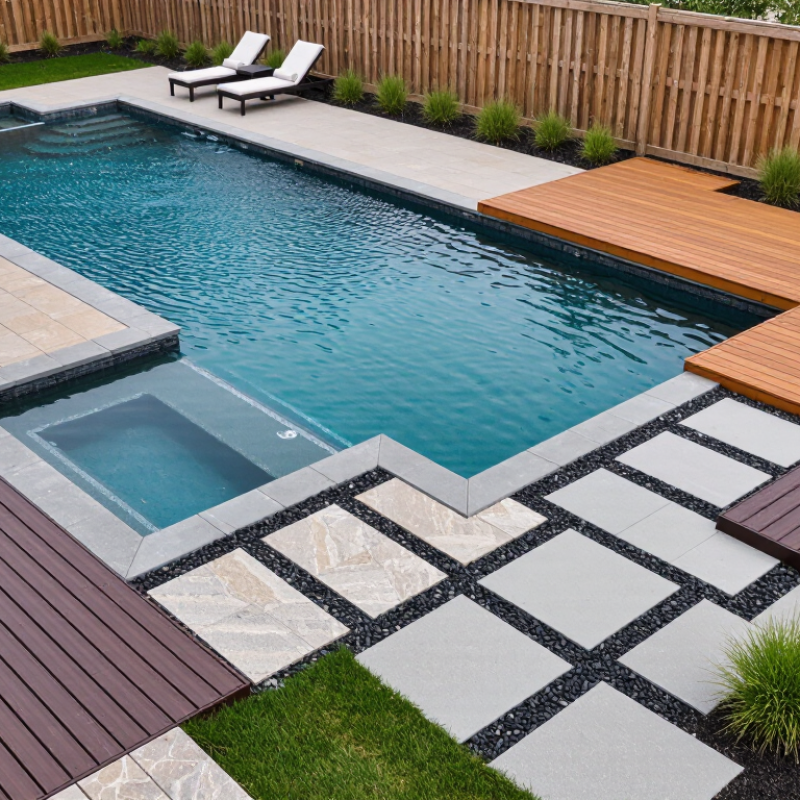
Planning a pool deck starts with a number, not a style photograph. Measure the pool edge, access routes, drainage, and seating area. Then separate essential costs from attractive extras. Concrete may suit a tight budget, while pavers, timber, and textured finishes can increase labor costs. Leave 10 to 15 percent for surprises. They happen. Site experience shows that excavation and preparation often affect costs more than materials. Soil, slope, and delivery distance matter. Ask a qualified contractor for a written, itemized estimate before purchasing supplies.
For a modest budget, keep the footprint compact and choose one durable finish. A narrow walking path can improve safety without creating a full entertainment zone. Mid-range plans might add steps, low seating, or a contrasting border.
Larger budgets can support multiple levels, shade structures, lighting, and detailed drainage. Keep water moving away from the house. This protects comfort and future repairs. Check local requirements for barriers, electrical work, setbacks, and slip resistance. Requirements vary.
Discuss maintenance before approving the design. Wood may need regular sealing, while masonry can require joint repairs and stain control. Ask how the surface feels when wet and how quickly it dries. I would not pretend the cheapest plan is always the wisest. A phased approach can work: build the safe walking area now, then add shade or seating later. However, returning crews may cost more. That trade-off deserves an honest conversation.
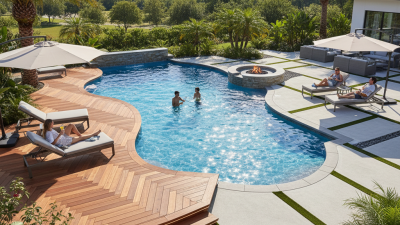
Affordable pool decking starts with the surface, not the decoration. The 2024 Cost vs. Value Report estimates a midrange wood deck recovers about 68% of its cost at resale, although a pool deck may perform differently. For tighter budgets, consider these ten ideas: broom-finished concrete, concrete stain, exposed aggregate, gravel borders, pressure-treated timber, modular deck tiles, recycled plastic tiles, compact pavers, artificial grass strips, and a small seating platform. Keep the deck narrow around low-use sides. That choice saves material and reduces cleaning.
Concrete remains practical because contractors can pour simple rectangular sections with fewer cuts. A penetrating sealer helps resist pool chemicals and standing water. However, slippery finishes create real safety concerns. The National Swimming Pool Foundation has long emphasized maintaining slip-resistant walking surfaces around pools. Local building rules may also require specific clearances and barriers. Check them before ordering materials.
Experienced installers usually recommend a slight slope away from the pool. A common target is about 2% drainage, or roughly 6 millimeters per 300 millimeters. That detail feels minor until rainwater carries leaves toward the water. Pavers allow future repairs, while poured concrete usually costs less upfront but cracks are harder to disguise. I would not choose gravel directly beside a pool; loose stones enter filters and become uncomfortable under wet feet. A cheaper deck can still look intentional with one clean border, warm lighting, and carefully measured furniture. Planning mistakes remain expensive.
Mid-range pool decking can deliver a refined appearance without the cost of premium stone. Poured concrete with a textured finish remains a dependable choice. It offers flexible shapes, solid load support, and many color options. A light, matte surface can also feel cooler than dark paving under strong sunlight.
Concrete pavers provide another practical balance. They create clean lines around the pool and allow damaged sections to be replaced individually. Their joints need proper installation and occasional attention. Without effective drainage, standing water can encourage stains and surface growth. Choose a slip-resistant finish, but avoid overly rough textures that hurt bare feet. Comfort matters.
Composite decking can suit raised pools or modern garden designs. It resists splinters and usually needs less routine sealing than timber. However, some boards become hot, and quality varies between products. Ask for samples before committing. Test them in direct sunlight, if possible. A small mistake can affect daily comfort for years.
Installation quality often matters more than the material price. The base should be compacted, the slope should move water away, and expansion gaps should be planned. I have seen attractive surfaces fail because these details were treated as minor. Mid-range decking is not maintenance-free. It simply makes the compromises easier to manage.
This comparison uses typical U.S. installed-cost estimates per square foot and common service-life ranges for residential pool decking. Final costs vary by region, site preparation, drainage, labor, installation complexity, and material quality. Composite decking and natural stone generally offer strong longevity, while broom-finished concrete provides one of the most budget-friendly options.
Estimated costs exclude demolition, major grading, structural repairs, and pool replacement work.
Top 10 Pool Decking Ideas for Every Budget?
A luxury pool deck begins with proportion, not expensive materials. Large-format porcelain slabs can frame a long pool with clean, quiet lines. Natural stone adds variation around planted edges and shaded seating areas. Choose a textured finish, because polished surfaces become dangerous when wet. A pale surface also reduces heat under strong afternoon sun. But pale stone shows leaves quickly. That trade-off matters.
Experienced designers plan drainage before selecting colors or furniture. A subtle slope should move water away from the pool and nearby walls. Narrow joints can create a refined appearance, but they require precise installation and regular care. Concealed channels may protect the visual lines, yet they need accessible maintenance points. I once saw a beautiful deck fail because water collected beneath oversized slabs. The design looked perfect. The engineering was not.
For an exclusive outdoor space, consider a sun shelf, built-in bench, or cantilevered edge. Warm lighting beneath steps can guide movement without overpowering the landscape. A qualified contractor should check soil movement, freeze-thaw conditions, and structural loads. Timber can soften a stone scheme, while planted borders prevent the deck from feeling overly severe. Custom details increase costs quickly, so reserve them for places people touch and notice. A modest stone field with one carefully designed feature often feels more luxurious than an overcrowded layout.
Material price is only the opening line. The 2024 RSMeans Construction Cost Data shows that regional labor, delivery, and site conditions can change estimates sharply. A basic poured-concrete deck often costs about $8–$15 per square foot installed. Pavers may reach $12–$25, while natural stone can exceed $30. These figures vary. They are not promises.
Compare the full installation scope. Ask whether excavation, drainage, reinforcing steel, permits, demolition, and sealing are included. A cheap quote can hide expensive preparation. Concrete offers a clean surface but may crack near freeze-thaw zones. Pavers cost more initially, yet individual units can be reset instead of replacing one large slab. Wood feels comfortable under bare feet, but annual cleaning and sealing add labor. Composite decking reduces routine staining, though it can become hot in direct summer sun.
Long-term maintenance deserves its own budget. The U.S. Bureau of Labor Statistics reported private-industry compensation rose 3.8% year over year in late 2024, reminding contractors that labor is not static. Plan for resealing concrete every two to three years, replacing damaged pavers, and checking gaps around the pool edge. I would not trust a simple “low maintenance” label. Shade, splash-out, sunscreen, and poor drainage can defeat a good material. My estimate could still be wrong without a site visit. Depth, soil movement, and access matter more than a glossy sample.