How to Choose Terracotta Panels for Your Project
Terracotta Panels can bring warmth, texture, and a durable mineral finish to a building, but choosing them involves more than matching a color sample. The right panel depends on the project’s climate, facade design, support system, and maintenance plan. A rich rust tone in a showroom may look different beside cool glass or on a shaded elevation. Small details matter. Panel dimensions, joint width, surface finish, and fixing method all affect the final appearance and installation process. Some choices are easy to overlook until drawings meet the site.
This guide explains how to assess panel profiles, colors, sizes, and performance data before specifying a product. Request current technical sheets, installation details, and test information from the manufacturer. Check that they suit local exposure and the project’s structural design. A qualified facade consultant or architect can review the assembly, including anchors, cavity, drainage, and movement joints. Those details matter. A beautiful panel is not a complete facade system.
Compare samples outdoors, not only under showroom lights. Look at how edges, shadows, and surface variation appear from a realistic viewing distance. If possible, review a full-scale mock-up and ask about replacement panels, cleaning guidance, and warranty support. No selection is perfect. Terracotta can vary naturally, so expectations should be discussed before ordering. The aim is a panel that suits the design, site conditions, budget, and maintenance capacity—not simply the most striking sample.
Define Project Requirements and Design Goals
Before choosing terracotta panels, define what the façade needs to do. Is the wall mainly decorative, or must it also manage rain, shade, and temperature changes? A ventilated rainscreen, for example, needs a coordinated cavity, drainage path, and support system. Record the building height, substrate, exposure to wind, and local climate. These details affect panel size, fixing methods, and movement joints. Ask the project engineer to confirm structural loads and installation requirements before settling on a layout. Small details matter. A panel that looks light in a sample may add substantial weight across a large elevation.
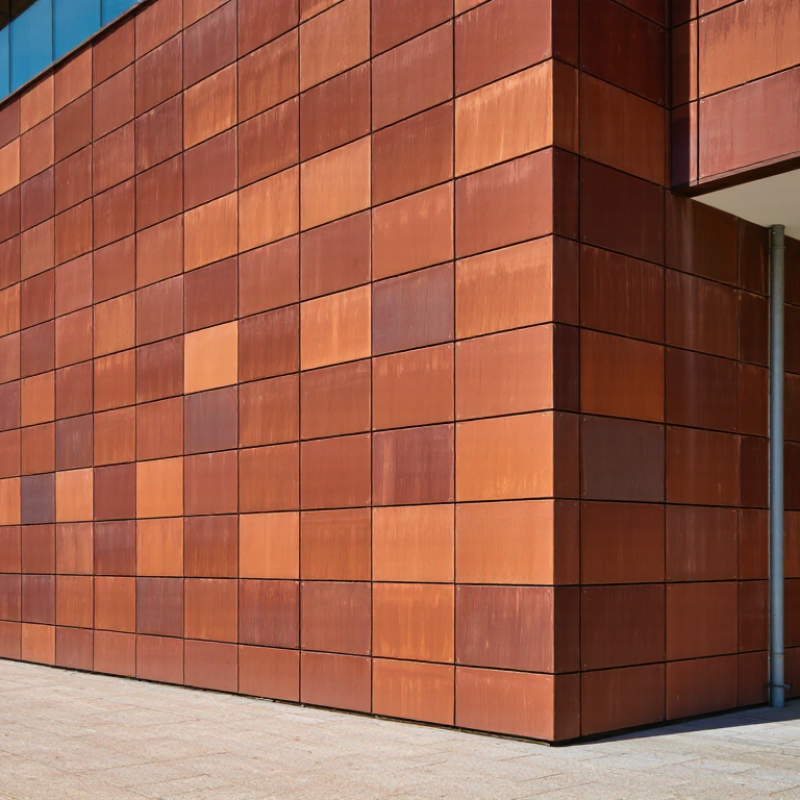
Set clear design goals, too. Decide whether you want a uniform surface or visible variation in color and texture. Terracotta can shift subtly from panel to panel, especially across a broad façade. Request samples, then view them outdoors beside the actual masonry, metal, or glazing. Check them in morning and afternoon light. Measure twice. It is tempting to choose a dramatic format early, but repeated cuts around windows can change the effect and increase waste. Review elevations with the installer, and mark corners, openings, and panel joints on drawings. Some preferences may need adjustment once costs and fixing details are known; that is worth acknowledging before procurement.
Compare Terracotta Panel Types, Colors, and Finishes
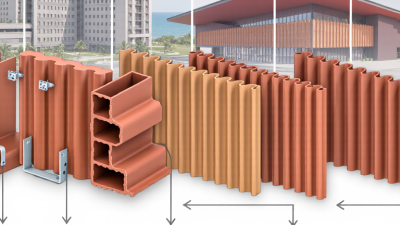
Terracotta panels differ in shape, weight, and how they manage rain and airflow. Hollow extruded panels are often used in ventilated façades, where a cavity behind the cladding helps drain moisture. Solid panels can offer a more substantial appearance, but their weight may affect support requirements. Baguette-shaped units add depth and can screen direct sunlight. Check panel dimensions, fixing methods, and project-specific structural requirements before comparing appearance alone.
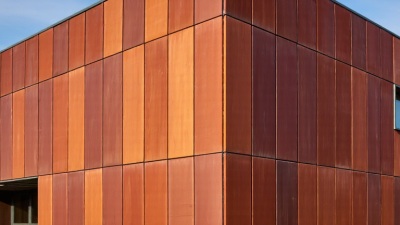
Color is shaped by the clay body and firing, so natural terracotta may vary slightly between pieces. That variation can create a lively façade, though it may look uneven across a large, flat wall. Glazed panels usually provide a broader range of colors and a more consistent surface. Ask for samples from the intended production process. View them outdoors, in shade, and beside the project’s window frames. Small differences matter.
Finishes also change how a panel reads at street level. A smooth matte surface gives a quiet look, while a textured or ribbed finish creates stronger shadows. Glossy glaze can reflect light, but it may reveal dirt or nearby colors more readily. No perfect match exists. A full-size mock-up is more useful than a tiny sample, especially where panels meet corners or change direction. It can expose awkward joints before installation, though even a mock-up may not show every lighting condition.
Evaluate Performance, Durability, and Climate Suitability
Terracotta panels should be assessed as part of a complete façade system, not as isolated pieces of clay. Check test data for water absorption, freeze-thaw resistance, and dimensional stability. Ask how panels perform after repeated wetting and drying, especially if the project faces driving rain. Moisture matters. A panel may resist surface wear yet still need carefully designed joints and drainage behind it.
Climate shapes the choice. In cold regions, confirm that the specified panel and fixing system suit local freeze-thaw conditions. In hot, sunny areas, consider color, solar exposure, and movement across the façade. Coastal sites need close attention to salt exposure and corrosion-resistant fixings.
Wind pressure, panel size, and building height also affect anchoring requirements. Review project-specific calculations rather than relying on a general product description. Test the details. Sample panels can reveal texture and color variation, but one sample cannot show how an entire elevation will look. I would treat that uncertainty honestly and request a larger mock-up where appearance matters.
Installation quality is part of durability, too; even a robust panel can be compromised by poor drainage or incorrect fixing.
Plan Structural Support, Fixings, and Installation
How to Choose Terracotta Panels for Your Project
Plan Structural Support, Fixings, and Installation
Start with the wall, not the panel. Check the substrate, its condition, and the loads it can carry. Terracotta adds dead weight, while wind pressure and building movement place extra demands on the support system. Have a qualified structural professional verify the design for the project’s conditions. Anchor rails into suitable structural backing; insulation alone is not a reliable fixing base. Walls are rarely perfectly flat. Allow for adjustment.
Choose clips, brackets, and fasteners as one coordinated system. Their material and finish should suit the exposure and avoid harmful contact between incompatible metals. Follow the panel supplier’s tested fixing details, including edge clearances and movement joints. Small gaps matter. They let panels expand and contract without binding. A drained, ventilated cavity can also help manage moisture, but its openings and barriers need careful detailing.
Plan installation around real site tolerances. Review panel weights, lifting access, rail alignment, and the sequence for setting each course. A small trial section can reveal awkward corners or visible joint variations before work spreads across the façade. It may feel slower at first. It often prevents rework. Record fixings and inspect them before panels conceal the support. Some assumptions will still prove wrong on site; build in a practical way to adjust them.
Check Building Codes, Suppliers, and Project Costs
Before selecting terracotta panels, check the requirements that apply to your building and location. Ask the project architect or local building department about fire performance, wind loads, fixing systems, and façade documentation. Requirements can vary by building height and use. Get the relevant details in writing, then compare them with the panel system’s test reports and installation instructions. A product’s appearance alone tells you little.
Supplier checks deserve equal attention. Request samples, technical data, lead times, and clear information about color variation between batches. Ask how panels are packed and what happens if pieces arrive chipped. Check whether replacement panels can be matched later. Small details matter. I once underestimated how much sample colors changed in outdoor light; a shaded office sample was not enough. Review samples outside, at different times of day, if possible.
Build the budget around the installed system, not just the panel price. Include brackets, substructure, insulation interfaces, labor, access equipment, freight, breakage, and maintenance. Ask contractors to separate these costs so you can compare like with like. Add a contingency for cutting waste and delivery delays, especially when dimensions are custom. The cheapest quote may omit essential work. Still, estimates are estimates; verify quantities against drawings before committing.