What is the Best Decking Boards for Your Outdoor Space?
Choosing the best decking boards for your outdoor space is more than just aesthetic appeal. It requires careful consideration of material durability, maintenance, and environmental impact. According to a recent report by the National Association of Home Builders, nearly 75% of homeowners prioritize low maintenance and longevity when selecting decking materials. This highlights the importance of informed decisions in decking board selection.
Renowned decking expert, Mark Johnson, states, "The right decking boards can elevate a home’s outdoor space, balancing style and functionality." His insights reflect a growing trend among consumers who seek both beauty and practicality. With options ranging from traditional wood to advanced composite materials, each choice presents its challenges and benefits.
The market is evolving rapidly, and so are consumer preferences. Some homeowners hesitate between natural wood and synthetic alternatives. Each option has its drawbacks; natural wood requires continual upkeep, while composites can have a higher upfront cost. Understanding the unique properties of various decking boards is essential for making a sound investment that meets your long-term outdoor needs.
Types of Decking Materials: A Comprehensive Overview
Choosing the right decking material for your outdoor space is essential. Various types of decking boards are available, each with its unique attributes. Wood, composite, and PVC are popular choices among homeowners.
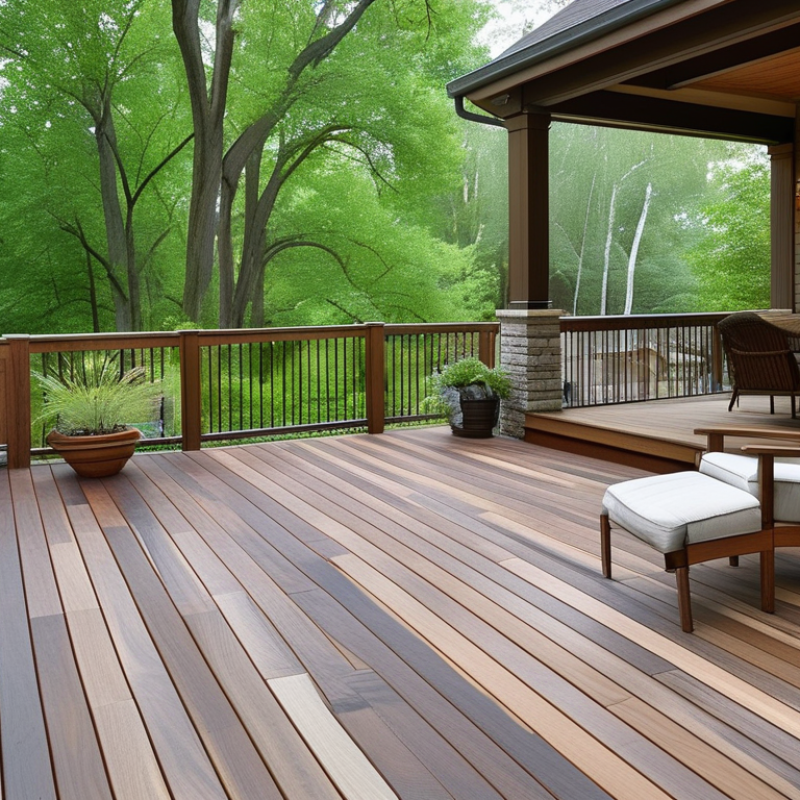
Wood provides a classic look and feels warm underfoot. It requires regular maintenance like sealing and staining. Neglect can lead to splinters or warping. On the other hand, composite decking offers durability and low maintenance. It resists fading and does not splinter. Some people may find it lacks the genuine warmth of wood.
PVC decking is another option. It’s lightweight and highly resistant to moisture and pests. However, its cost may be higher than wood options. Each material presents challenges and benefits. Understanding these will help you make an informed choice for your home. Consider your lifestyle, budget, and how much time you want to spend caring for your deck.
Comparing Natural Wood vs. Composite Decking Boards
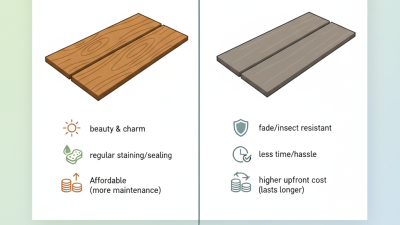
When choosing decking boards, the decision often comes down to natural wood versus composite materials. Natural wood has a classic appeal. Its grain and texture enhance outdoor aesthetics. However, it comes with challenges. Reports indicate that wood decks require regular maintenance, including sealing and staining, to prevent rot and insect damage. A study found that untreated wood decks can last around 10-15 years, but prolonged exposure can significantly reduce their lifespan.
In contrast, composite decking boards offer a different set of advantages and drawbacks. Composite materials are made from a blend of wood fibers and recycled plastics. This combination makes them resistant to moisture and UV damage. Industry data shows that composite decks can last 20-30 years, often with minimal upkeep. However, they typically carry a higher upfront cost compared to wood. Some homeowners express concerns about the aesthetic appeal of composites, noting they can feel less natural.
Ultimately, selecting the right material depends on your priorities. If you appreciate the beauty of wood and are ready for maintenance, that might be the right choice. If long-lasting durability with less hassle is crucial, composite may lead the way. Balancing aesthetics with practicality can be a challenging yet rewarding journey.
Durability and Maintenance: What to Expect from Each Type
Choosing decking boards involves considering durability and maintenance needs. Different materials have varied life expectancies and care requirements. Wood, for example, offers natural beauty but demands regular sealing. Treated lumber can last up to 15 years with maintenance. Yet, it may warp and splinter over time.
Composite decking is often seen as a low-maintenance option. These boards resist rot and insect damage. According to the North American Deck and Railing Association, composite decks can last over 25 years with minimal upkeep. However, some types fade under sunlight, requiring eventual replacement.
The balance between performance and aesthetic appeal is crucial. A deck demands time and resources for upkeep. Understanding the limitations of each material is vital. Even the most durable options need occasional repairs. Each choice has trade-offs, impacting long-term satisfaction with your outdoor space.
Environmental Impact of Different Decking Options
Choosing the right decking boards for your outdoor space is not just about aesthetics. The environmental impact of your choice plays a significant role. Different materials yield different ecological footprints. Wood, for instance, may seem natural, but reflect on the sourcing process. Sustainable lumber options exist, yet many come from deforested areas. The carbon footprint can be substantial.
Composite materials offer an alternative. They often consist of recycled plastics and wood fibers, minimizing waste. However, the manufacturing process can be energy-intensive. Not every composite product is created equal. Some contain harmful chemicals that leach into the environment. It's essential to research and select a product that prioritizes safety and sustainability.
Recycled plastics alone provide another option. They are durable and require minimal maintenance. Yet, do they degrade over time? While they halt waste, their production contributes to pollution. Each choice has inherent contradictions. The right decking board balances durability, aesthetic appeal, and environmental stewardship. Consider the long-term effects of your decision. Every outdoor space deserves careful thought about its environmental impact.
Cost Analysis: Budgeting for Your Decking Project
When budgeting for your decking project, it’s crucial to consider several factors. The type of decking board you choose significantly influences costs. Natural woods, composites, and PVC all come with different price tags. Natural wood may seem affordable upfront, but maintenance costs add up.
Consider the longevity of your material. Composites and PVC may have higher initial costs, but they often require less maintenance. Think about your long-term investment. Analyze your space and how you’ll use it. High-traffic areas might need more durable materials.
Tips: Factor in installation costs. Hiring professionals adds to the budget. DIY projects can save money, but ensure you have the skills. Always account for unexpected expenses. Set aside additional funds for contingencies. It's essential to make informed choices that align with your financial capacity.
What is the Best Decking Boards for Your Outdoor Space? - Cost Analysis: Budgeting for Your Decking Project
| Material |
Cost per Square Foot ($) |
Lifespan (Years) |
Maintenance Level |
Sustainability |
| Pressure-Treated Lumber |
$2.50 |
10-15 |
Moderate |
No |
| Composite |
$4.00 |
25-30 |
Low |
Yes |
| Redwood |
$5.00 |
20-30 |
Low |
Yes |
| Ipe (Brazilian Walnut) |
$8.00 |
40+ |
Low |
No |
| PVC |
$3.50 |
25-30 |
Low |
Yes |