Why Choose Cladding Panels for Your Next Project?
In the world of construction, the selection of materials is crucial. Cladding panels stand out as a preferred choice for many builders. John Smith, a renowned architect and expert in sustainable design, emphasizes, "Cladding panels not only enhance aesthetics but also improve energy efficiency."
This statement encapsulates why cladding panels are gaining traction. These materials offer versatility in design and functionality. With various finishes available, they cater to every taste. Moreover, cladding panels help with insulation, reducing heating costs. This dual benefit makes them valuable in modern projects.
However, the decision to use cladding panels should not be taken lightly. Builders must consider the installation process and maintenance needs. Not all panels are created equal, and some might not meet local building codes. Reflecting on material choices ensures a successful project outcome. Ultimately, the right cladding panels can make a significant difference in both appearance and performance.
Benefits of Cladding Panels in Modern Construction Projects
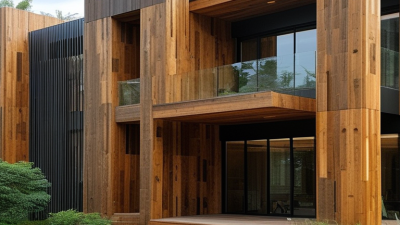
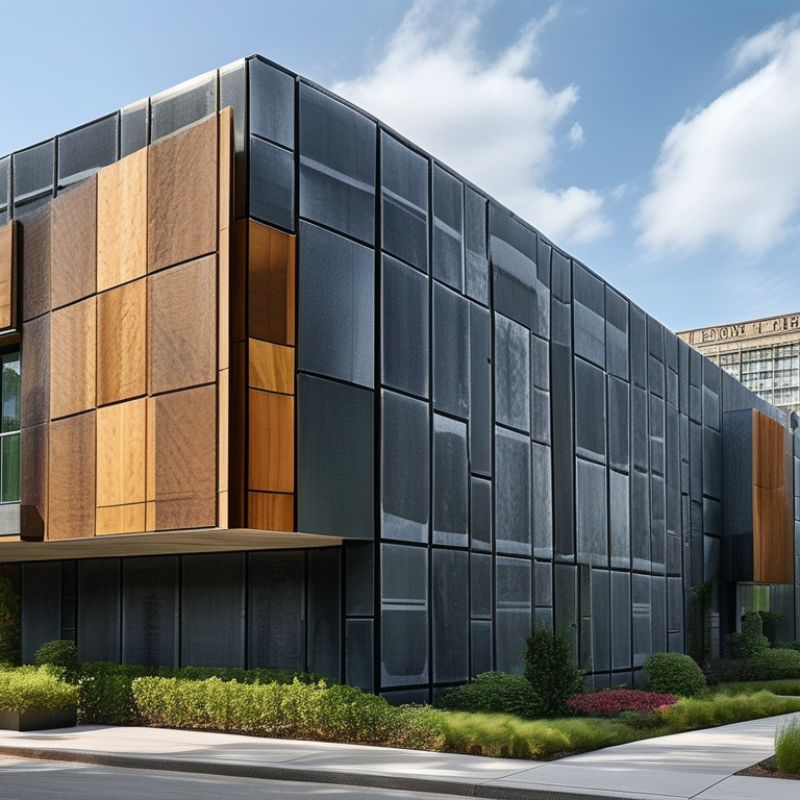
Cladding panels are gaining popularity in modern construction projects due to their many benefits. These panels provide excellent insulation, helping to maintain energy efficiency in buildings. By reducing heating and cooling needs, cladding panels contribute to lower energy bills. Additionally, they enhance the aesthetic appeal of structures. A building's exterior can be transformed easily with various materials and designs available.
Durability is another significant advantage of cladding panels. They are resistant to harsh weather, UV rays, and moisture. This can reduce maintenance costs over time. However, choosing the right material for the project is crucial. Some materials may perform better in certain climates compared to others. Carefully considering environmental factors can lead to more effective long-term solutions.
While cladding panels offer many advantages, they may pose installation challenges. Improper installation can lead to insulation and water penetration issues. Therefore, skilled labor is essential for successful application. Recognizing potential setbacks can help in planning better for any project. Balancing aesthetics, functionality, and cost requires thoughtful decision-making. The benefits of cladding panels are significant, but assessing individual project needs is equally important.
Why Choose Cladding Panels for Your Next Project? - Benefits of Cladding Panels in Modern Construction Projects
| Benefit |
Description |
Material Options |
Cost Efficiency |
| Aesthetic Appeal |
Cladding panels enhance building appearance with various styles and colors. |
Wood, Metal, Vinyl, Fiber Cement |
Reduces long-term maintenance costs. |
| Energy Efficiency |
Improves insulation, thereby reducing energy bills. |
Insulated Panels, Stone, Brick |
Less energy consumption equates to cost savings. |
| Durability |
Resistant to weather conditions and pests. |
Metal, Composite, High-density Vinyl |
Long-lasting materials can reduce replacement costs. |
| Quick Installation |
Panels can be installed faster than traditional methods. |
Prefabricated Systems, Modular Panels |
Saves on labor costs and project time. |
| Low Maintenance |
Easy to clean and maintain, requires minimal upkeep. |
Vinyl, Fiber Cement, Composite |
Less frequent repairs help in cost reduction. |
Types of Cladding Panels Available for Various Applications
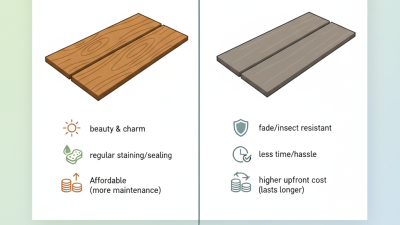
Cladding panels offer a variety of materials for different applications. Each type has specific strengths. For example, metal cladding is known for its durability and modern look. It resists weathering and can enhance energy efficiency. Wood cladding, on the other hand, provides a warm aesthetic. It requires regular maintenance to prevent rot and decay.
Consider using vinyl cladding for low maintenance needs. It is lightweight and easy to install. However, be cautious of its environmental impact. Composite panels blend materials to offer versatility and insulation. These panels can adapt to many architectural styles. They often come with warranties, showcasing their durability.
When choosing cladding panels, think about the specific climate and building design. Reflect on the surrounding environment; some materials blend better than others. Durability is key, but aesthetic appeal is also important. Always weigh the pros and cons of each option carefully. It’s about finding a balance that fits your project.
Why Choose Cladding Panels for Your Next Project?
Cladding panels are essential for a variety of applications. This chart illustrates the popularity of different types of cladding materials based on industry usage.
Environmental Impact and Sustainability of Cladding Materials
Choosing cladding panels for your project can significantly influence its environmental footprint. Various materials, from wood to metal, have unique sustainability factors. For instance, engineered wood panels may use less resource-intensive processes than solid woods, but it's essential to consider their source. Recycled and recyclable materials reduce waste. Selecting cladding manufactured with low carbon emissions can help minimize your project's overall impact.
When selecting cladding materials, think about durability and maintenance. Some panels require more upkeep than others, adding to their environmental footprint over time. It's worth exploring options that not only look good but also have long lifespans. This choice reduces the need for frequent replacements, thereby conserving resources.
Reflect on your project's specific needs. Each material has its advantages and flaws. Always inquire about the production processes behind the cladding you choose. Understanding the lifecycle of your materials fosters more informed decisions. Prioritize panels that help you achieve sustainability goals. This not only benefits the planet but also enhances your project's value in the long run.
Cost-Effectiveness and Durability of Cladding Panels
Cladding panels are gaining popularity in construction due to their cost-effectiveness and durability. According to a recent industry report, using cladding can reduce exterior project costs by up to 30%. This is largely attributed to the materials’ efficiency and adaptability to various architectural designs. They can be up to five times lighter than traditional materials, which eases transportation and installation.
Durability is another key factor favoring cladding panels. A study published by the National Institute of Building Sciences indicates that high-quality cladding can last over 50 years with minimal maintenance. This longevity is crucial for budget-conscious projects, where long-term expenditure is a major concern. However, some cheaper options can degrade faster than expected, leading to potential additional costs. Selecting the right materials can make a significant difference.
The aesthetic versatility of cladding cannot be overlooked. Various textures and finishes allow architects to meet both functional and design needs. Yet, overlooking proper installation can lead to issues such as moisture buildup. This can compromise performance and aesthetics over time. Therefore, proper expertise is essential in ensuring optimal outcomes for any project involving cladding panels.
Installation Processes and Maintenance Tips for Cladding Systems
Cladding systems are popular due to their many advantages, but installation and maintenance require careful consideration. The right installation process ensures durability and aesthetic appeal. Industry studies indicate that proper installation can extend the lifespan of cladding panels by up to 30%. Many homeowners overlook the importance of ventilation during installation. Adequate airflow prevents moisture buildup, which can lead to mold growth.
Choosing the right materials is critical. Not all cladding materials perform equally under different environmental conditions. According to a report from the Building Research Establishment, more than 25% of cladding failures are due to poor material selection. Regular maintenance plays a significant role in the longevity of cladding systems. It's wise to clean the panels every few months and inspect for damage. Neglecting these tasks can lead to costly repairs down the line.
Even with the best planning, issues can arise. It’s not uncommon for homeowners to face unexpected challenges during maintenance. Weather changes can accelerate wear. Some cladding materials may fade or discolor over time, impacting the overall appearance of the structure. Staying informed about the specific needs of the selected cladding material can help mitigate these challenges. Understanding these concerns can lead to better decision-making for future projects.