Why Choose WPC Flooring for Your Home Renovation Needs?
When considering home renovation, WPC flooring stands out as a popular choice. Esteemed flooring expert, Dr. Sarah Mitchell, highlights its advantages, stating, "WPC flooring offers unmatched durability and comfort for modern homes." This innovative material combines wood and plastic, providing aesthetic appeal and practical benefits.
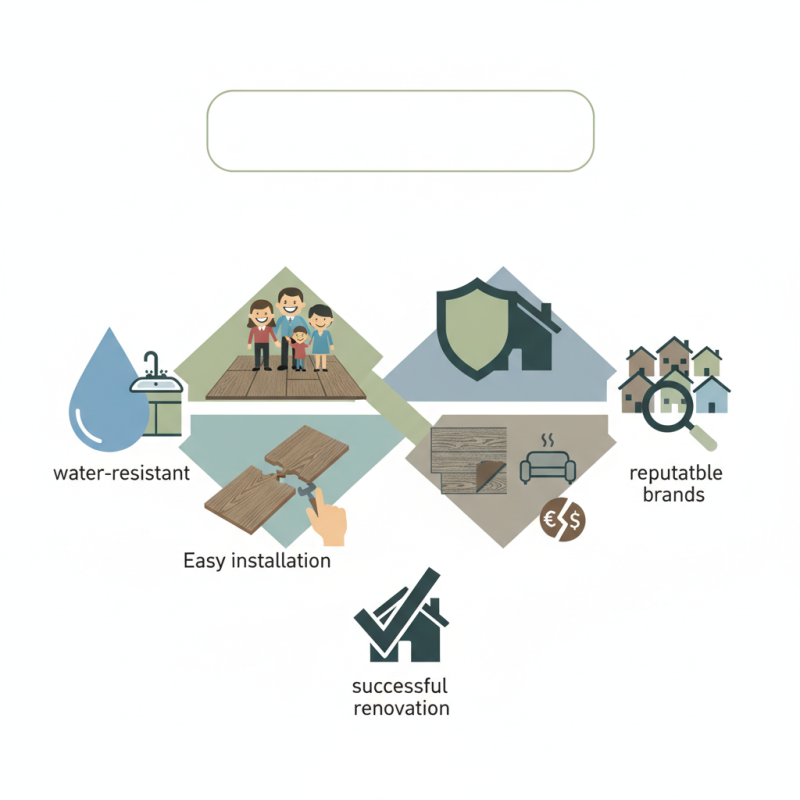
WPC flooring's water-resistant nature makes it ideal for kitchens and bathrooms. Homeowners can enjoy stylish designs without fear of damage from spills. Additionally, its easy installation process saves time and labor costs. Many find it an excellent alternative to traditional hardwood flooring.
However, not all WPC products are created equal. Some may compromise durability for lower costs, leading to peeling or discoloration. It's essential to choose reputable brands to ensure the best results. Carefully selecting WPC flooring can make a significant difference in the overall success of your renovation project.
Overview of WPC Flooring: What It Is and How It Works
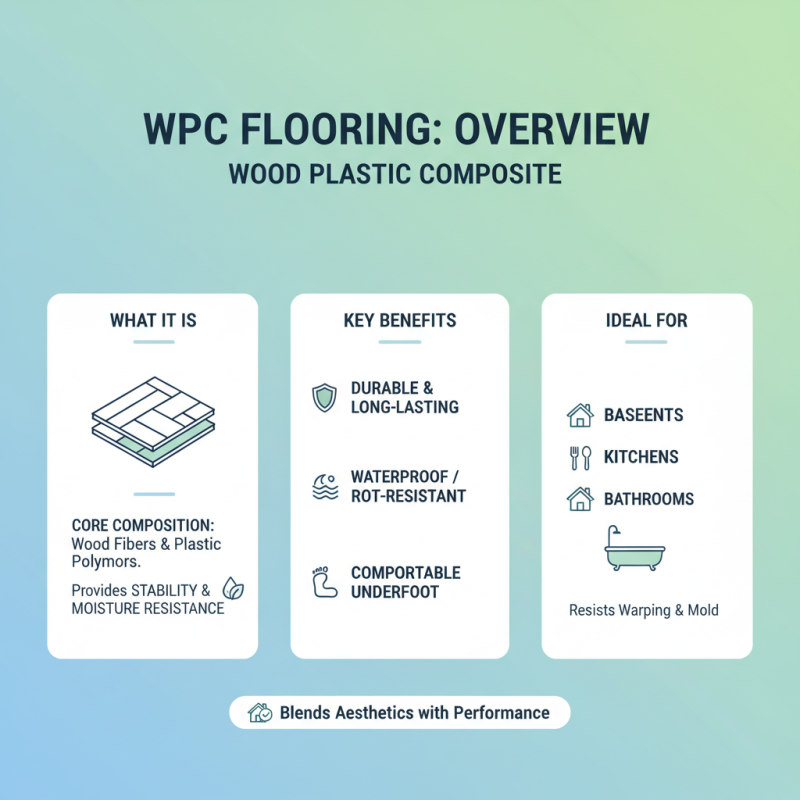
WPC flooring, or Wood Plastic Composite flooring, offers a unique blend of durability and aesthetic appeal. Composed of a combination of wood fibers and plastic, WPC flooring provides a stable and moisture-resistant surface ideal for various environments. This makes it suitable for basements, kitchens, and bathrooms where traditional wood may warp or rot.
The construction of WPC flooring also allows for easier installation. It often features a click-lock system that simplifies the process. Homeowners can tackle DIY projects without hiring professionals. However, one might encounter challenges during installation due to uneven subfloors. Proper preparation is essential for a flawless outcome.
In terms of maintenance, WPC flooring is a low-maintenance alternative to natural wood. Regular cleaning with a damp mop can keep it looking fresh. Nevertheless, one must be cautious with harsh chemicals that could damage the surface. Each home renovation project is unique, and while WPC offers numerous advantages, potential buyers should consider their specific needs and preferences before making a decision.
Benefits of WPC Flooring for Home Renovation Projects
WPC flooring, or Wood Plastic Composite flooring, has become increasingly popular for home renovations. Its composition blends wood fibers and plastic, providing durability and resilience. This innovative material offers a warm, natural look, making it ideal for living spaces. Homeowners often appreciate its ability to resist moisture and stains, which helps maintain its appearance over time.
One significant benefit of WPC flooring is its ease of installation. Many options come with click-lock systems, making them user-friendly. This feature can save renovation time and costs, particularly for DIY enthusiasts. However, some may find that the initial learning curve prevents them from maximizing this potential. Additionally, while WPC flooring can mimic natural wood, the texture may lack the depth of authentic materials. Homeowners should consider these factors based on their personal preferences.
Moreover, WPC flooring is eco-friendly in many cases. It often uses recycled materials, making it a sustainable choice. Yet, the plastic component raises questions about long-term environmental impact. Homeowners may need to weigh the benefits against these considerations. In the end, understanding these details helps in making informed decisions during a home renovation.
Benefits of WPC Flooring for Home Renovation Projects
Comparing WPC Flooring to Traditional Flooring Materials
WPC (Wood Plastic Composite) flooring is becoming increasingly popular for home renovations. This material combines wood fibers and plastic, offering a unique blend of durability and aesthetic appeal. Unlike traditional hardwood, WPC flooring is resistant to moisture, which makes it ideal for areas like kitchens and bathrooms. According to a 2022 report by Floor Covering Weekly, WPC flooring has seen a market growth of 12% annually, highlighting its rising acceptance among homeowners.
When comparing WPC flooring to traditional materials such as hardwood or laminate, there are key differences to consider. Traditional hardwood, while beautiful, is prone to scratches and water damage. It typically requires extensive maintenance. Many homeowners find this overwhelming. On the other hand, WPC's robust properties mean it can withstand daily wear and tear better than most traditional counterparts. A 2023 study by the National Wood Flooring Association indicates that installations of WPC in residential properties have reduced maintenance costs by 30% over five years.
WPC flooring also offers a range of design options, closely mimicking the look of natural wood. This variety can help meet individual aesthetic preferences. However, some critics argue that while WPC can replicate appearance, it may lack the authentic feel of genuine hardwood. This distinction can be a crucial factor for discerning homeowners. As innovation in flooring materials continues, WPC flooring is poised to challenge perceptions of traditional flooring.
Installation Process and Maintenance Tips for WPC Flooring
WPC flooring offers a versatile solution for home renovations. The installation process is relatively straightforward, but it requires attention to detail. Start by ensuring the subfloor is clean and level. This is crucial for a proper fit. Then, acclimate the flooring in the room for 48 hours. This helps prevent warping and ensures better adherence.
When laying the planks down, use spacers to maintain a consistent gap around the edges. This allows for expansion and contraction, which can occur due to temperature changes. Secure the planks together by following the manufacturer’s guidance, whether they suggest a click-lock system or glue. Remember, rushing this process can lead to complications later on.
Maintenance of WPC flooring is easy but does require regular care. Sweep or vacuum the surface often to remove dirt and grit. This prevents scratches. For deeper cleaning, use a damp mop with a mild cleaner. Avoid harsh chemicals that can damage the finish. Regular maintenance not only keeps your flooring looking good but also extends its lifespan. Always test any new cleaning method in a small area first.
Why Choose WPC Flooring for Your Home Renovation Needs? - Installation Process and Maintenance Tips for WPC Flooring
| Aspect |
Details |
| Material Composition |
Wood Plastic Composite (WPC) is made of a blend of wood fibers and thermoplastics. |
| Durability |
WPC flooring is resistant to moisture, stains, and scratches, making it ideal for high-traffic areas. |
| Installation Process |
Can be installed as a floating floor; no glue or nails required, simplifying the process. |
| Maintenance |
Regular sweeping and damp mopping; avoid harsh chemicals; routine inspection for damage. |
| Cost Efficiency |
Competitive pricing compared to traditional hardwood flooring options. |
| Eco-Friendly |
Made from recyclable materials and wood sourced from sustainable forests. |
| Aesthetic Variety |
Available in a wide range of colors, designs, and finishes to suit any decor. |
Cost Considerations and Long-Term Value of WPC Flooring
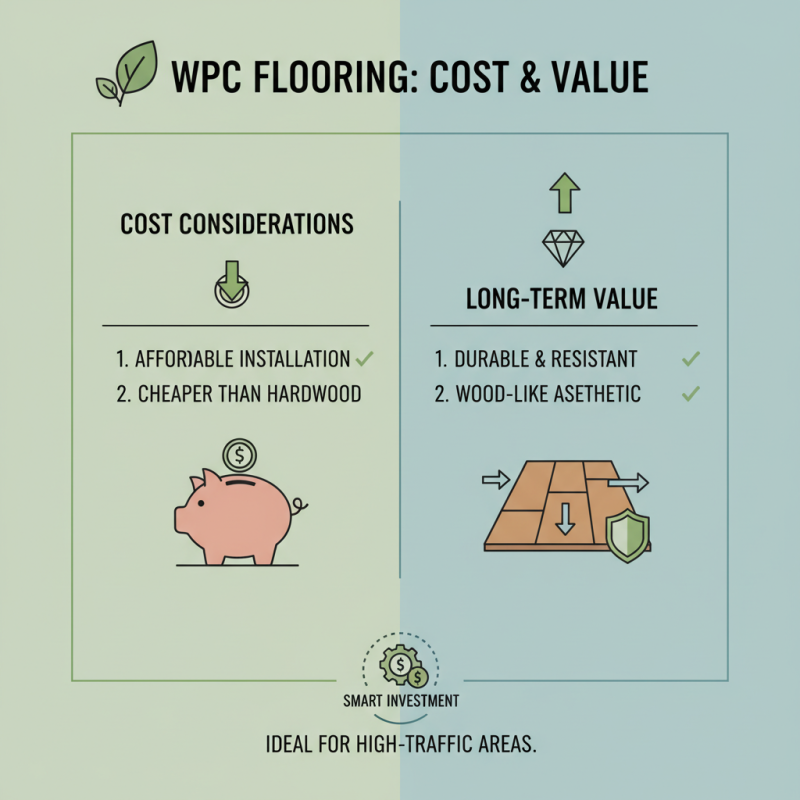
When considering home renovations, both cost and long-term value are critical. WPC flooring stands out for its affordability. Installing this type of flooring is often cheaper than traditional hardwood. It mimics the look of wood but is more durable. Many find this appealing, especially in high-traffic areas of the home.
However, some may overlook the potential lifespan of WPC flooring. While it’s less expensive upfront, consider maintenance costs over time. WPC can be scratched or dented if not treated properly. This flooring also requires specific cleaning methods to maintain its appearance. A little research can help avoid these pitfalls.
Long-term value also stems from WPC's moisture resistance. This characteristic makes it suitable for basements and kitchens. Fewer replacements mean savings in the long run. Yet, the aesthetic appeal may not satisfy everyone. For those who cherish authentic wood grain, WPC might feel like a compromise. Balancing immediate costs with personal preferences is vital when making a decision.