Best WPC Wall Panels for Durable and Eco-Friendly Solutions?
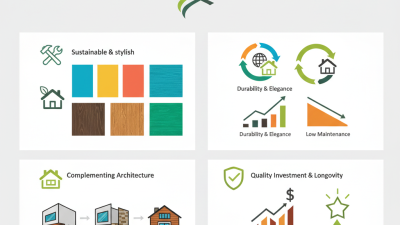
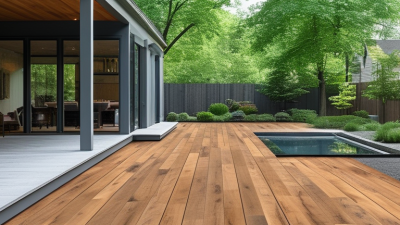
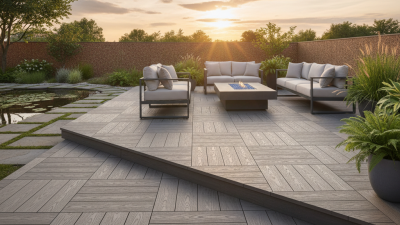
WPC Wall Panels are experiencing a surge in popularity, combining durability with eco-friendliness. These panels are made from wood-plastic composites, which offer an attractive and sustainable alternative to traditional materials. They can withstand harsh weather, making them ideal for both indoor and outdoor use.
Many homeowners appreciate the low maintenance of WPC Wall Panels. Unlike wood, they do not warp, rot, or require frequent painting. Yet, some consumers hesitate, unsure about choosing the right type for their needs. Quality can vary significantly across brands, leading to confusion. It’s essential to research and compare products to ensure reliability.
WPC Wall Panels provide an excellent solution for those who prioritize sustainability. They are often made from recycled materials, minimizing environmental impact. Still, it’s crucial to address potential downsides too. Some panels may have a limited lifespan, depending on usage and exposure. Reflecting on these aspects can guide you toward better decisions in your renovation or construction projects.
Best WPC Wall Panels: Key Features for Durability and Sustainability
WPC (Wood Plastic Composite) wall panels are gaining traction for their combination of durability and sustainability. These panels often contain a blend of recycled wood fibers and plastic, reducing waste. According to industry reports, WPC materials can be recycled up to 50% more effectively than traditional composite materials. This eco-friendly aspect appeals to environmentally conscious consumers.
When considering WPC wall panels for projects, look for key features. High-quality panels should have resistance to moisture, making them ideal for various climates. A thickness of at least 20mm often ensures better durability. Additionally, some panels offer UV protection, preventing fading over time. Reliability in performance can be determined by checking the manufacturer's certifications.
**Tip:** Always examine warranty options. A longer warranty may indicate higher quality.
Being mindful of installation is essential. Poor installation can lead to reduced longevity. If panels are improperly secured, they may warp or detach. Hiring a professional installer can mitigate these issues. Regular maintenance also plays a vital role in extending the lifespan of wall panels.
**Tip:** Regular cleaning with mild detergents will keep your panels looking fresh.
Understanding WPC: What is Wood Plastic Composites?
Wood Plastic Composites (WPC) combine wood fibers and plastic to create durable materials. The global WPC market is expected to reach $7.5 billion by 2026, reflecting increasing demand for sustainable building materials. With rising environmental awareness, WPC offers an appealing alternative to traditional lumber.
WPC boasts weather resistance, making it suitable for outdoor applications. Research shows that up to 50% of WPC can be recycled materials. This means less waste ends up in landfills. However, not all WPC products are created equal. Variability in quality can lead to durability concerns. Some products may not withstand harsh climates as advertised.
Choosing WPC requires careful consideration. Notably, their manufacturing processes often involve chemicals, raising questions about long-term environmental effects. Moreover, while they are designed to mimic natural wood, the aesthetic may not satisfy every consumer. Experts recommend scrutiny in product selection to ensure quality standards are met.
Best WPC Wall Panels for Durable and Eco-Friendly Solutions
| Panel Type |
Material Composition |
Durability Rating |
Eco-Friendliness |
Water Resistance |
| Standard WPC Panel |
60% Wood Fiber, 40% Plastic |
High |
Yes |
Good |
| Premium WPC Panel |
70% Wood Fiber, 30% Recycled Plastic |
Very High |
Yes |
Excellent |
| Weather-Resistant WPC Panel |
50% Wood Fiber, 50% Plastic |
High |
Yes |
Excellent |
| Eco-Friendly WPC Panel |
80% Recycled Materials |
Medium |
Very High |
Good |
| Commercial Grade WPC Panel |
50% Wood Fiber, 50% HDPE |
Very High |
Yes |
Good |
Top Brands of WPC Wall Panels: A Comparative Overview
When considering WPC wall panels, it’s essential to know which brands excel. According to a recent industry report, the demand for WPC wall panels has grown by 15% annually. This increase highlights their rising popularity due to durability and eco-friendliness. Many consumers appreciate their wood-like appearance and resistant features against moisture and insects.
When selecting WPC panels, remember to evaluate factors such as thickness and warranty. Quality panels generally range from 8mm to 12mm in thickness. Thicker panels tend to offer improved durability, but could also impact installation time. Look for warranties that extend beyond ten years to ensure long-term reliability.
Tips: Always request samples before making a large purchase. Physical samples help evaluate the panel's finish and texture. Consider your local climate as well; certain formulations perform better in humid or dry conditions. While many brands exhibit impressive benefits, evaluating your unique needs is crucial. Don't rush your decision; take the time to weigh the options carefully.
Eco-Friendly Benefits of Using WPC Wall Panels in Construction
WPC wall panels, made from wood and plastic composites, provide an eco-friendly alternative in construction. These panels are lightweight yet durable, making them an excellent choice for builders. They resist moisture, mold, and insects, which adds to their longevity. The production process of WPC panels also utilizes recycled materials, reducing waste. This makes them a responsible option for environmentally-conscious projects.
Using WPC panels helps lower the carbon footprint of buildings. These materials can be designed to mimic natural wood, offering aesthetic appeal without harming forests. Many designs are available, allowing for creative flexibility. While WPC panels are generally cost-effective, their price can vary based on branding and specifications. It is vital to research different options to ensure the best fit.
However, not all WPC panels are created equal. Some may not withstand extreme weather conditions as well. Homeowners and builders should carefully assess the performance ratings. Additionally, while the eco-friendly benefits are significant, the manufacturing process still involves energy consumption. Thus, questioning the overall sustainability of specific products is essential.
Installation and Maintenance Tips for Long-lasting WPC Panels
WPC wall panels offer a practical solution for those seeking durability and an eco-friendly option. Proper installation is key to their longevity. Begin by ensuring that your surface is clean and level. Use appropriate fasteners to secure the panels tightly. Uneven surfaces can lead to warping or gaps over time.
Maintenance is equally important. Regular cleaning helps prevent dirt accumulation. Use a mild detergent mixed with water for a thorough clean without damaging the material. Avoid harsh chemicals that could degrade the panels. Over time, check for signs of wear, such as fading or discoloration. These small checks can save you from larger repairs.
Here are some tips to enhance the lifespan of your WPC panels: Ensure proper ventilation around the panels to avoid moisture buildup. Consider using a protective sealant if you live in a humid area. Remember that even the best products require care and attention to maintain their appearance and function. Regular inspections help catch issues early, leading to better long-term results.