2026 Top Trends in Exterior WPC Wall Cladding you Should Know?
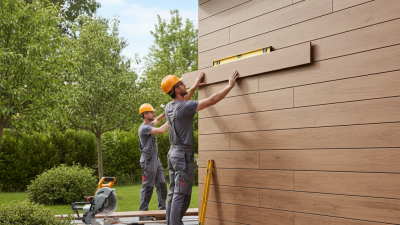
As we approach 2026, the trends in "Exterior WPC Wall Cladding" are evolving rapidly. This innovation, prominent in the construction sector, showcases durability and aesthetic appeal. According to a report by Grand View Research, the global WPC market is projected to reach $10.1 billion by 2027, with a compound annual growth rate of 11.6%. Expert Jane Adams, a leading figure in sustainable building materials, emphasizes, "The future of exterior design lies in the versatility of WPC."
This growth reflects a surge in preferences for eco-friendly and low-maintenance materials. Exterior WPC Wall Cladding offers a blend of wood's beauty and plastic's resilience. Homeowners and architects are increasingly choosing WPC because it withstands weather changes better than traditional materials. Additionally, its energy-efficient properties contribute to reducing carbon footprints. However, not all products are created equal; some may lack the quality that stands out in this market.
Despite the numerous advantages, challenges remain. Educating consumers about material selection is crucial to avoid subpar choices. As the industry moves forward, it will be essential to navigate these discussions wisely. The fundamental question is, how will the evolution of "Exterior WPC Wall Cladding" reshape architectural landscapes?
Emerging Technologies in WPC Wall Cladding for 2026
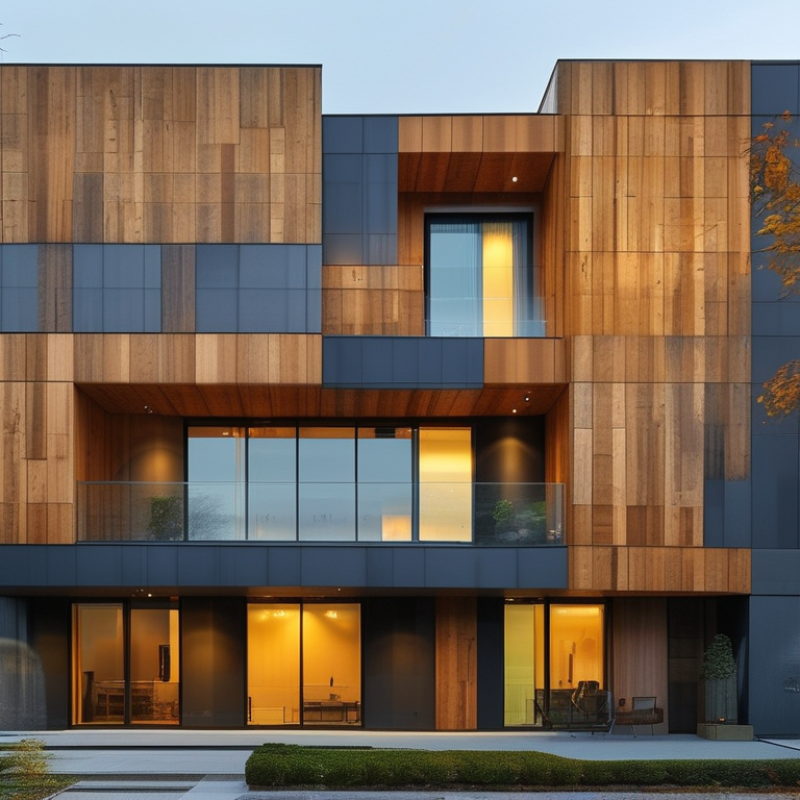
The world of WPC (Wood-Plastic Composites) wall cladding is evolving rapidly. Emerging technologies aim to enhance aesthetics and durability. 3D printing is gaining popularity for producing custom designs. This technique allows for intricate patterns that traditional methods cannot replicate. Color-shifting materials are another exciting trend. These materials react to sunlight, changing hues throughout the day, creating unique facades.
Sustainability remains a focus. Innovations in sourcing recycled materials are essential for reducing our ecological footprint. Bio-based composites are also entering the field, utilizing agricultural waste. Yet, challenges persist in terms of durability and performance. Testing these new materials under various environmental conditions is crucial.
Smart technologies are transforming installation processes. Sensors embedded in the cladding can monitor moisture levels. This data helps prevent mold growth, enhancing the longevity of buildings. However, integrating smart features requires careful design consideration. Balancing aesthetics with functionality is no small feat. The future of WPC wall cladding holds immense potential, but continued research and development are vital to overcome existing hurdles.
2026 Top Trends in Exterior WPC Wall Cladding
Sustainable Materials and Environmental Impact of WPC
The rise in popularity of Wood Plastic Composites (WPC) for exterior wall cladding highlights its sustainable credentials. Made from recycled wood fibers and plastic, WPC reduces waste. Using these materials helps lower carbon footprints in construction projects. The lightweight nature of WPC makes it easier to transport. This can lead to reduced energy consumption during logistics.
However, questions remain about the long-term environmental impact of WPC. While it is touted for its durability, the longevity of its materials is not yet fully understood. The durability of WPC can lead to less frequent replacements, but what about its recyclability? If not managed properly, WPC could contribute to landfill waste once it reaches the end of its life cycle.
Sustainable building is not just about selecting eco-friendly materials. It is also about responsible sourcing and production. Many manufacturers are working on improving the environmental impact of their processes. This includes looking for innovative ways to recycle and repurpose WPC at the end of its use. It raises an important question: how can we ensure these practices become the standard? The future of construction relies on our ability to critically assess and improve our material choices.
Design Innovations Shaping the Future of Exterior Wall Cladding
The future of exterior wall cladding is evolving rapidly. Design innovations are at the forefront of these changes. According to the Global WPC (Wood Plastic Composite) Market report, the industry is expected to grow by 20% annually through 2026. This growth reflects a rising demand for sustainable building materials. Architects and designers are increasingly seeking eco-friendly options, making WPC a favorable choice.
One noteworthy trend in exterior WPC wall cladding is the incorporation of advanced textures and colors. Technologies now allow for a broader palette and greater customization. This flexibility enables unique designs that can blend seamlessly with natural landscapes. However, achieving a balance between aesthetics and durability can be challenging. The pursuit of perfection often reveals limitations in manufacturing processes, prompting a need for continuous improvement.
Another aspect shaping the future includes smart technologies integrated into wall cladding systems. These innovations can enhance energy efficiency and improve insulation. Recent data highlights that buildings with integrated smart cladding see up to 30% energy savings. Yet, the complexity of these systems raises questions about maintenance and long-term reliability. Addressing these concerns is vital as the industry adapts to the changing landscape of consumer expectations and environmental responsibility.
Market Trends Influencing WPC Cladding Choices in 2026
The exterior wall cladding market is evolving rapidly. In 2026, wood-plastic composite (WPC) cladding is gaining traction. Environmental awareness plays a crucial role. More consumers prefer sustainable materials, and WPC fits this need. Its eco-friendly nature appeals to home builders and designers alike.
Cost-effectiveness is another driving factor. WPC cladding offers a competitive alternative to traditional materials. Homeowners look for durability along with low maintenance. WPC provides both, enhancing its appeal in various markets. However, some still question its long-term performance. This hesitation can impact purchasing decisions.
In addition, aesthetics are crucial. Designers seek innovative textures and finishes in WPC. Trends are shifting towards more natural appearances. Consumers desire cladding that complements their home’s character. Yet, finding the right balance between style and function remains challenging. Overall, awareness and choices in WPC cladding are set to shape the market landscape significantly in 2026.
2026 Top Trends in Exterior WPC Wall Cladding you Should Know? - Market Trends Influencing WPC Cladding Choices in 2026
| Trend |
Description |
Impact on Market |
Estimated Growth (% CAGR) |
| Sustainability |
Growing demand for eco-friendly materials in construction. |
High demand for sustainable WPC cladding options. |
8% |
| Custom Design |
Increased interest in personalized and custom designs. |
Enhances aesthetic appeal leading to higher sales. |
6% |
| Durability Innovations |
Advancements in WPC technology to improve durability. |
Increase in long-term investment value for consumers. |
7% |
| Low Maintenance |
Demand for products that require less upkeep. |
Appeals to homeowners seeking cost-effective solutions. |
5% |
| Color Trends |
Shift towards natural wood tones and bold colors. |
Influences color choices in new constructions and renovations. |
4% |
Consumer Preferences and Aesthetic Trends in WPC Wall Cladding
The aesthetic trends in WPC wall cladding are evolving. Homeowners increasingly seek materials that blend durability with beauty.
Natural wood textures are in high demand, offering warmth to modern designs. Consumers appreciate rich color options, often choosing earthy tones that harmonize with nature. These preferences reflect a desire for spaces that feel cozy yet stylish.
Sustainability is also a key factor. Many buyers prioritize eco-friendly materials. This trend impacts their decisions, pushing manufacturers to innovate. They are now experimenting with recycled materials, highlighting their commitment to the environment.
However, some consumers still worry about the longevity of these products. The balance between aesthetics and sustainability is tricky.
While durability remains a priority, the quest for unique designs can sometimes lead to compromises. Some homeowners find it challenging to locate products that meet both criteria.
Customization is a potential solution, yet it often comes with higher costs. This creates tension between budget and beauty. Ultimately, preferences vary, and what works for one may not work for another.