China Top 10 WPC Floor Manufacturers? This guide examines the companies behind a fast-changing flooring market. It focuses on production capability, product consistency, export experience, and technical support. A polished showroom sample is not enough. The real test appears under rolling chairs, wet shoes, sunlight, and repeated cleaning.
Flooring analyst Jim Gould once offered a practical reminder: “A floor must perform long after the sample has made its impression.” That principle shapes this review. Each manufacturer should be considered through measurable details, including WPC Floor structure, wear-layer thickness, locking accuracy, dimensional stability, and factory quality control. Certifications can help, but certificates should match the actual product and current production line. Buyers should also examine installation manuals, warranty language, testing reports, and replacement policies.
The companies discussed here represent different strengths. Some emphasize large-scale manufacturing. Others provide flexible colors, private-label services, or stronger project support. Their positions may change as factories expand and material costs move. That matters.
No ranking is permanently perfect.
Supplier claims also require checking. A website may show modern equipment, yet offer limited evidence about batch testing or after-sales service. Therefore, this introduction treats the “top 10” as a practical shortlist, not an unquestionable verdict. Importers, distributors, and project owners should request recent samples and independent test documents before making a decision. A reliable WPC Floor partner should explain weaknesses clearly, not only display attractive patterns.
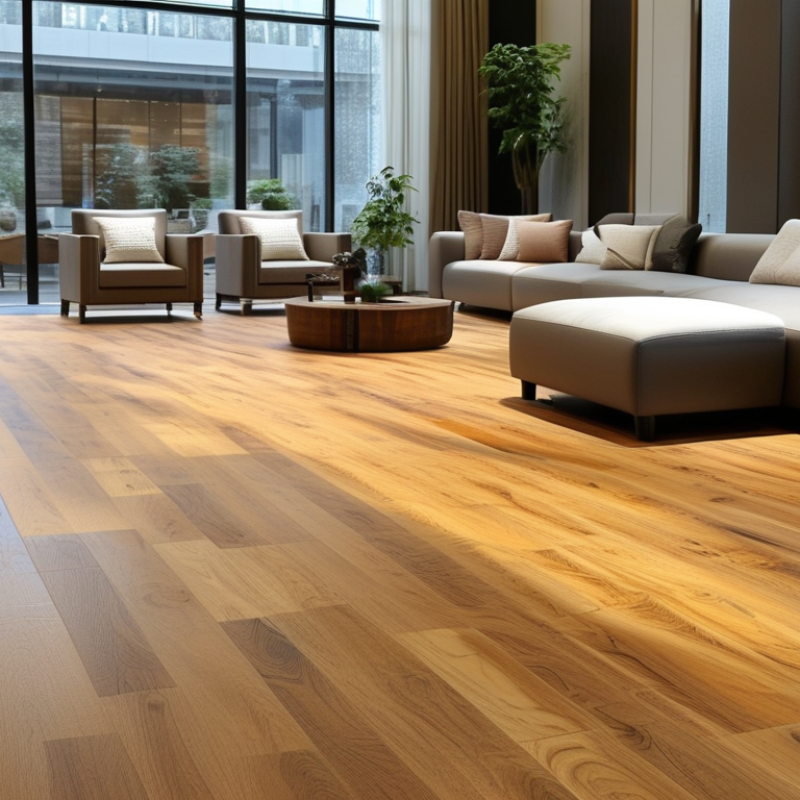
WPC flooring means wood-plastic composite flooring. It combines polymer materials with wood fiber, or similar reinforcing fillers, to create a stable flooring core. Many products include a printed decorative layer and a protective wear layer. The result can feel warmer and quieter than ceramic tile. It also handles everyday moisture better than traditional solid wood. However, “waterproof” claims deserve careful checking. Joints, edges, and subfloor conditions still matter.
China has become a leading producer because its manufacturing network is unusually complete. Resin suppliers, color-film producers, mold makers, extrusion factories, and packaging companies often operate within the same industrial regions. This shortens development time and supports flexible order volumes. Large production lines also allow tighter control over thickness, locking profiles, and surface texture. In factory audits, I would check batch records, dimensional tolerances, wear resistance, and formaldehyde test reports. Small details reveal consistency. Not always.
China also benefits from experienced export logistics and strong engineering teams. Manufacturers can adjust flooring for different climates, installation methods, and market standards. A dry inland project may need different performance from a humid coastal renovation. I have seen attractive samples fail because the subfloor was uneven or expansion gaps were ignored. That lesson is easy to overlook. Responsible sourcing requires more than comparing prices; buyers should review testing evidence, production controls, recycled content claims, and installation guidance before selecting a supplier.
How to Evaluate China’s Top WPC Floor Manufacturers
A strong evaluation starts with evidence, not catalog photos. Grand View Research’s 2024 Wood Plastic Composites Market report projects continued growth through 2030, driven partly by construction demand. That growth attracts capable factories and inexperienced traders. Request the legal company name, factory address, production capacity, and export history. Then verify them through audit records and shipment documents.
Material consistency matters most. Ask for PVC resin content, wood flour percentage, stabilizers, and recycled-material ratios. Compare these figures across three production batches. Independent reports should cover dimensional stability, wear resistance, slip performance, and formaldehyde emissions. ISO 10582 and ASTM testing methods provide useful reference points for resilient flooring. Intertek’s flooring testing guidance also stresses conditioning samples before measurement. A quick sample test can mislead.
Inspect the details yourself. Visit the extrusion line, observe moisture control, and check whether cartons carry matching batch codes. Request a pre-shipment inspection with random carton selection. The World Floor Covering Association has repeatedly highlighted installation quality as a major factor in flooring performance, so evaluate technical support, not only factory pricing. Ask for installation manuals, replacement policies, and response times. A low quotation may hide thinner wear layers or unstable locking profiles. I would not accept impressive certifications without checking their scope, date, and issuing laboratory. Factories can improve. Your evaluation should, too.
A practical buyer-assessment model for comparing WPC flooring manufacturers. The reference weights reflect the key areas commonly reviewed during supplier qualification: product quality, compliance, manufacturing capability, export experience, customization, delivery reliability, and after-sales support.
The percentages represent suggested evaluation weights rather than company-specific results. Buyers should verify each manufacturer through test reports, factory audits, production samples, certifications, shipment records, and customer references.
China’s top ten WPC floor manufacturers differ in equipment, materials, and quality control. One focuses on stable wood-plastic core production, using measured wood fiber and polymer ratios. Another specializes in extrusion, creating boards with consistent thickness and cleaner edges. A co-extrusion producer adds protective surface layers for better stain and scratch resistance. It matters.
Some manufacturers are known for click-lock systems that reduce installation time on residential projects. Others invest in waterproof testing, checking swelling after prolonged water exposure. Several factories offer private-label services, with custom colors, embossing, packaging, and carton design. Their export teams often understand container loading, moisture protection, and documentation requirements.
Design-led producers create stone, oak, and concrete patterns for changing interior preferences. Material-focused factories use recycled content and monitor additives more carefully than cheaper competitors. Large OEM suppliers usually provide flexible order volumes, while smaller specialists may deliver faster sampling and closer communication. Reliable manufacturers should provide technical data, batch records, and independent test reports where applicable. Factory visits can reveal more than polished catalogs. Look at storage conditions, calibration records, and actual production samples. No factory is perfect. Even experienced suppliers may face color variation between batches or delays during peak seasons. Buyers should compare wear layers, core density, locking strength, warranties, and after-sales support before choosing a long-term partner.
WPC flooring combines a polymer core, wood-plastic components, a printed décor layer, and a protective wear layer. Its performance depends on more than surface appearance. ASTM F3261 evaluates composite resilient floor tiles for dimensions and structural performance. ISO 10874 classifies flooring by use, such as residential, commercial, or industrial areas. These standards help buyers compare products from the top 10 WPC floor manufacturers without relying on catalog claims.
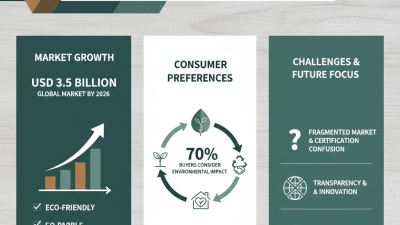
Professional market reports show strong demand for resilient flooring. Grand View Research reported continued growth in the global resilient flooring market, driven by waterproof construction and easier maintenance. However, WPC data varies between research companies because product definitions are inconsistent. That matters. A manufacturer should provide test reports for dimensional stability, indentation resistance, slip performance, and wear resistance. ISO 23999 and ISO 24343-1 are useful references for dimensional change and residual indentation. For indoor air quality, buyers can check CDPH Standard Method v1.2, FloorScore certification, or comparable VOC testing under ISO 16000 methods. Certification is not decoration.
Tips: Request the certificate number, testing laboratory, product thickness, and batch details. Check whether the document covers the exact model. A factory certificate may not cover every collection. Installation also affects results. Leave expansion gaps, control subfloor moisture, and inspect locking joints before full installation. I would also question unusually low prices. They may reflect thinner wear layers or incomplete testing, though price alone proves little. бий
When comparing China’s top 10 WPC floor manufacturers, do not rank them by catalog size alone. A reliable choice begins with production evidence, not polished photographs. Request a factory video, current capacity figures, and a sample made from the same production line. Check whether the supplier controls extrusion, embossing, coating, and quality inspection. Ask for batch records and a clear response time for defects. Small details matter.
Experienced buyers should test more than appearance. Measure plank thickness, locking accuracy, surface wear, water absorption, and dimensional stability after temperature changes. Place samples near a window and in a damp utility room for several days. Inspect edges, odor, color consistency, and click performance after repeated installation. Request independent laboratory reports, but verify the laboratory and report date. Do not accept claims such as waterproof or zero maintenance without test conditions. Standards vary between markets. Confirm compliance documents for the destination country, including fire, emissions, and slip-resistance requirements.
Cost deserves a wider calculation. Compare material price, mold fees, packaging, loading efficiency, replacement policy, and delivery reliability. I once focused too heavily on the lowest quotation. It later created extra inspection work and installation waste. That was an expensive lesson. Ask for a written specification, approved sample, warranty scope, and escalation contact before placing a large order. A capable manufacturer welcomes difficult questions. Silence is information, too.
| No. | Evaluation Dimension | What to Verify | Reliable Evidence or Reference | Suggested Weight | Score |
|---|---|---|---|---|---|
| 01 | Product Compliance | Confirm that the offered WPC flooring complies with the regulations and standards required in the destination market. | Product test reports, technical data sheets, CE documentation where applicable, and destination-market compliance records. | 15% | __/10 |
| 02 | Core Material Stability | Review the stability of the wood-plastic composite core, including dimensional change, moisture behavior, and resistance to warping. | Independent laboratory results, construction drawings, material specifications, and comparative sample testing. | 14% | __/10 |
| 03 | Wear and Surface Performance | Assess wear resistance, scratch resistance, stain resistance, slip performance, and surface-finish consistency. | Test reports using relevant EN, ISO, ASTM, or destination-market methods, plus physical samples from production. | 13% | __/10 |
| 04 | Production Quality Control | Check incoming-material inspection, in-process controls, final inspection, batch traceability, and nonconformity handling. | Quality manual, inspection checklists, corrective-action records, batch coding, and an audit of the production site. | 12% | __/10 |
| 05 | Manufacturing Capacity | Determine whether available equipment and scheduled capacity can support the required volume, dimensions, colors, and delivery frequency. | Verified production lines, capacity-planning records, lead-time history, and a written production schedule for the order. | 10% | __/10 |
| 06 | Customization Capability | Evaluate options for plank size, locking system, embossing, color, packaging, labeling, and technical specifications. | Approved drawings, color-control samples, tooling information, sample-development process, and change-control procedure. | 8% | __/10 |
| 07 | Testing and Sample Transparency | Ensure that test results apply to the exact construction, thickness, surface layer, and product specification being quoted. | Sample-to-report matching, laboratory accreditation details, test dates, product codes, and retained production samples. | 8% | __/10 |
| 08 | Export and Documentation Capability | Check the supplier’s ability to prepare accurate invoices, packing lists, certificates, labels, installation instructions, and shipping documents. | Document samples, export-process checklist, packaging specification, Incoterms quotation, and communication records. | 7% | __/10 |
| 09 | Warranty and After-Sales Support | Review warranty scope, exclusions, claim procedures, installation support, replacement policy, and response time. | Signed warranty terms, installation guidance, claim forms, spare-material policy, and documented service workflow. | 7% | __/10 |
| 10 | Total Cost and Commercial Terms | Compare the complete landed cost rather than unit price alone, including tooling, packaging, testing, freight, payment terms, and potential replacement costs. | Itemized quotation, payment schedule, tooling ownership terms, packaging costs, logistics assumptions, and contract conditions. | 6% | __/10 |
| Weighted Supplier Evaluation Total | 100% | __/100 | |||