As a leading plastics recycler and producer of green composite.

Leave Your Message

What Are the Top WPC Floor Types in 2026?

In 2026, WPC Floor choices are becoming more specialized, not merely more attractive. Homeowners now compare core stability, wear-layer thickness, acoustic comfort, and installation tolerance. The best option depends on the room, subfloor, moisture exposure, and expected traffic.

“Performance begins with the conditions beneath the floor,” says flooring expert Dean Thompson of the Resilient Floor Covering Institute. This practical reminder matters. A waterproof WPC Floor may suit kitchens and bathrooms, while a thicker rigid-core design can handle busy hallways more confidently. Wood-look planks remain popular, especially with embossed textures and wider formats. Stone-look tiles are gaining attention in open-plan interiors. Click-lock systems also continue to improve, although uneven subfloors can still create movement, noise, or damaged joints.

Real installations reveal the difference. A sample may feel quiet in a showroom but sound hollow over hard concrete. A dark oak finish can look elegant, yet it may show dust quickly beside a bright window. These small details deserve attention. They are easy to overlook.

This guide examines the top WPC Floor types expected to lead the 2026 market. It considers residential comfort, commercial durability, visual realism, maintenance, and long-term value. Product claims should still be checked against technical data, warranty terms, and recognized flooring standards. No single type wins every room. That is the honest part. Good flooring selection requires more than a fashionable surface.
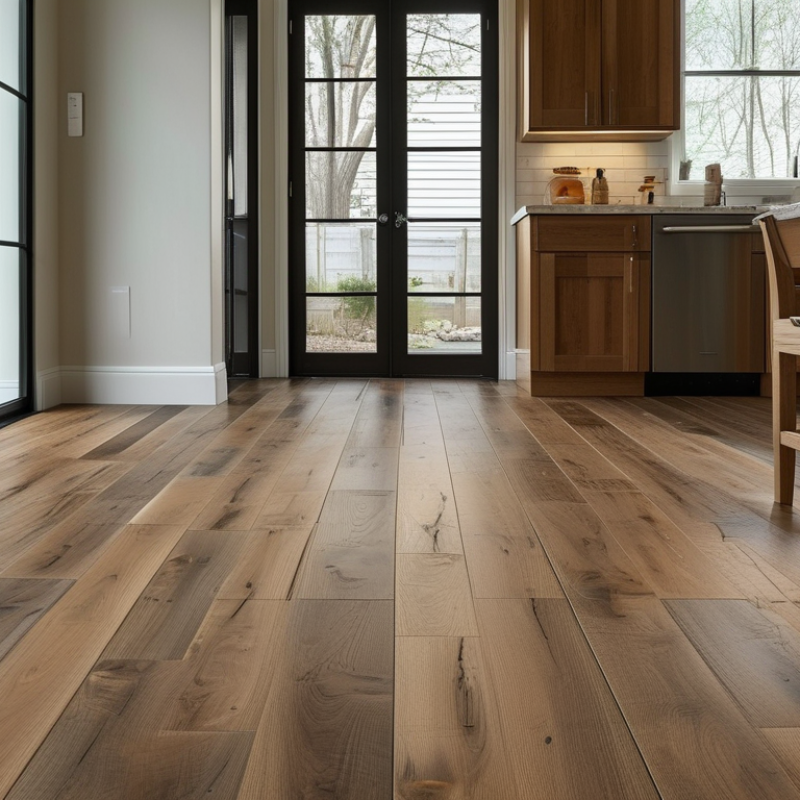
What Are the Top WPC Floor Types in 2026?

WPC Flooring Basics and Key Features in 2026

What Are the Top WPC Floor Types in 2026?

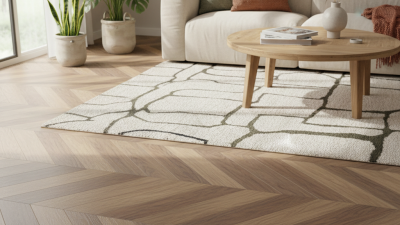
WPC flooring combines wood fibers, polymers, a printed design, and a protective wear layer. Its rigid core offers stable support under daily foot traffic. In 2026, wood-look planks remain popular for bedrooms, offices, and open living areas. Stone-look tiles suit kitchens, entryways, and commercial interiors. Herringbone patterns add movement, but they require more careful layout and cutting.

WPC floors usually resist household spills better than traditional wood flooring. However, “waterproof” claims need practical interpretation. Seams, edges, and the subfloor can still allow moisture problems. A balanced product should provide a dense core, reliable locking joints, and a durable surface layer. Thicker boards may improve comfort, but thickness alone does not guarantee quality. Installation experience shows that flat, dry subfloors often matter more than attractive packaging. One overlooked detail can cause trouble.

Tips: Check the room’s moisture conditions before choosing a floor type. Use a moisture meter when possible. Leave the recommended expansion gap around walls and fixed objects. For busy homes, choose a stronger wear layer and textured surface. Clean with a damp, not soaking, mop. Keep spare planks, because color batches may change over time. Also, test samples under natural daylight; printed wood patterns can appear surprisingly different indoors.

Rigid-Core WPC Planks for Everyday Residential Use

Rigid-core WPC planks are becoming a practical choice for everyday residential rooms in 2026. Their wood-plastic composite core resists dents better than many soft vinyl products. The locking system also helps create a stable floating floor over prepared subfloors.

Grand View Research projects strong growth for the global WPC flooring market through 2030, with residential renovation as a major demand driver. Freedonia’s residential flooring research also identifies resilient flooring as a leading replacement option. These findings support WPC’s appeal, but market forecasts are not installation guarantees. Product quality still varies widely.

For living rooms, bedrooms, and hallways, click-lock planks with attached underlayment can reduce installation steps. Embossed surfaces provide a more convincing wood feel under bare feet. Wider planks create a calmer visual field, while narrower planks can suit smaller rooms. In kitchens, sealed joints matter more than attractive grain patterns. Water may not damage the plank immediately, yet it can reach the subfloor through gaps. That detail is often overlooked.

A level subfloor remains essential. Even a strong rigid core can reflect uneven spots over time. Acclimation instructions also deserve attention, although some products require less acclimation than traditional flooring. I would not choose WPC only because it says “waterproof.” Check wear-layer thickness, locking performance, indoor-air documentation, and warranty limits. Small rooms expose mistakes quickly.

What Are the Top WPC Floor Types in 2026? - Rigid-Core WPC Planks for Everyday Residential Use

A practical comparison of common rigid-core WPC plank formats for living rooms, bedrooms, kitchens, hallways, and other residential areas.

WPC Floor Type Typical Construction Common Thickness Wear-Layer Range Best Residential Use Main Advantages Important Considerations
Standard Rigid-Core WPC Planks Wood-plastic composite core with a printed décor layer, transparent wear layer, and attached or separate underlayment. 5–8 mm 12–20 mil
(approximately 0.30–0.50 mm)
Bedrooms, living rooms, dining rooms, and home offices. Balanced everyday performance
Comfortable underfoot and relatively easy to install.
Subfloor flatness remains important. Heavy furniture and sharp objects can still damage the surface.
Enhanced-Wear WPC Planks Rigid WPC core with a thicker protective wear layer and often a stronger surface finish. 5–8 mm 20–30 mil
(approximately 0.50–0.75 mm)
Busy households, hallways, entry areas, and homes with pets. Improved scratch and scuff resistance
Suitable for areas with frequent foot traffic.
Higher wear protection does not make the floor scratch-proof. Felt pads and routine cleaning are still recommended.
Water-Resistant WPC Planks Closed-cell or low-absorption rigid core with sealed plank joints and a moisture-resistant surface. 5–8 mm 12–30 mil
(approximately 0.30–0.75 mm)
Kitchens, laundry areas, mudrooms, and bathrooms where the installation system permits use. Handles everyday surface spills
Simple to wipe clean and less prone to swelling than wood-based flooring.
Water resistance depends on joint design, perimeter sealing, and installation quality. Standing water should be removed promptly.
Acoustic-Backed WPC Planks WPC rigid core with an integrated foam, cork, or other resilient backing layer. 5.5–9 mm 12–20 mil
(approximately 0.30–0.50 mm)
Upstairs bedrooms, apartments, nurseries, and media rooms. Reduced footfall noise
More comfortable walking feel and potentially faster installation.
Acoustic results vary by backing, subfloor, room construction, and installation method. An additional underlay may not be appropriate.
Wide-Plank WPC Flooring Rigid WPC construction manufactured in broader and often longer plank formats. 5–8 mm 12–20 mil
(approximately 0.30–0.50 mm)
Open-plan living spaces, large bedrooms, and contemporary interiors. Fewer visible seams
Creates a spacious appearance and can speed up installation in large rooms.
Wider planks can make subfloor irregularities more noticeable. Confirm room layout, expansion gaps, and plank availability before installation.
Embossed Wood-Look WPC Planks Rigid WPC core with a textured surface designed to align visually and physically with the printed wood pattern. 5–8 mm 12–30 mil
(approximately 0.30–0.75 mm)
Living areas and bedrooms where realistic wood appearance is a priority. More natural appearance and texture
Often offers better visual depth than a completely smooth finish.
Textured surfaces may require more frequent sweeping because dust can collect in the embossing.

Data note: Dimensions and wear-layer values are typical ranges used across residential rigid-core WPC products; exact specifications vary by product. “Mil” refers to one-thousandth of an inch, not millimeters. Always verify moisture requirements, subfloor tolerances, expansion gaps, and installation instructions before purchase.

Waterproof WPC Flooring for Kitchens, Bathrooms, and Basements

What Are the Top WPC Floor Types in 2026?

Waterproof WPC flooring is becoming a practical choice for kitchens, bathrooms, and basements. Its layered structure combines a wood-plastic core, decorative film, and protective wear layer. The core resists everyday moisture, while the surface handles spills, muddy shoes, and frequent cleaning. Still, “waterproof” does not mean careless installation is safe.

Wood-look planks remain popular in kitchens because they soften hard cabinetry and stainless-steel surfaces. Wider boards create a calmer appearance, while embossed textures make the grain feel more realistic underfoot. Stone-look WPC tiles suit bathrooms and basements, especially when homeowners want a cooler, mineral-like style without ceramic’s harder feel. Herringbone patterns add visual movement, but they create more joints and require careful fitting.

In bathrooms, tight seams and sealed edges matter greatly. Water can still reach the subfloor around toilets, tubs, or poorly fitted transitions. Basements need extra attention because concrete may release moisture over time. A moisture test, a clean subfloor, and the correct underlayment should guide the installation. I would not install WPC directly over a damp slab, even when the product claims full waterproof performance. That is an easy mistake. Regular sweeping and a lightly damp mop usually protect the finish, but standing water should never be ignored.

High-Performance WPC Floors for Commercial Interiors

Commercial interiors in 2026 will favor WPC floors that balance comfort, durability, and visual consistency. Wide-plank WPC flooring remains practical for offices, boutiques, and hospitality spaces. Its resilient surface handles rolling chairs and frequent foot traffic. A cushioned core also feels warmer than rigid mineral-core flooring.

WPC tile formats suit reception areas and corridors requiring clear visual zoning. Herringbone planks create movement in restaurants, lounges, and creative workplaces. Acoustic-backed WPC is useful where sound control matters. It can soften footsteps and reduce the sharp noise of dropped objects. Still, acoustic performance depends on the entire floor assembly, not the flooring alone.

Experienced installers should inspect moisture levels, subfloor flatness, and expansion conditions before installation. Uneven concrete may telegraph through flexible planks. That problem is easy to underestimate. Commercial buyers should request verified data for slip resistance, fire behavior, wear performance, emissions, and acoustic ratings. Requirements vary by location and building type, so project teams need current documentation. Choose realistic textures with low-contrast patterns for busy entrances. They hide minor marks better than perfectly smooth surfaces. Routine cleaning remains essential, even with a protective wear layer. No WPC floor is maintenance-proof. Temperature changes, harsh chemicals, and dragged metal furniture can still damage the finish. A small sample test often reveals more than a polished specification sheet.

How to Compare WPC Floor Types by Room, Style, and Budget

Choosing among WPC floor types starts with the room, not the product photo. Wood-look planks suit bedrooms and living areas because their long lines make small spaces feel wider. Stone-look tiles work better in kitchens, entrances, and bathrooms. Herringbone adds character, but it creates more cutting waste and usually raises installation costs. Keep that detail visible in your budget.

Grand View Research reported that the global luxury vinyl flooring market was worth approximately $25 billion in 2023, with continued growth expected through 2030. WPC flooring is one segment of this wider category, so the figure is useful market context, not a direct WPC measurement. For busy homes, compare wear-layer thickness, scratch resistance, and locking accuracy. A thicker board can feel steadier underfoot, but it may not correct an uneven subfloor.

For style, pale oak tones reflect more light and reveal dust quickly. Dark walnut shades feel warmer, yet they show scratches more clearly. For budget planning, include underlayment, trims, delivery, and cutting waste. Entry-level WPC may look attractive, but weak joints can become frustrating after repeated temperature changes. I have seen attractive samples fail beside sliding doors when expansion space was ignored. That mistake is easy to underestimate. The U.S. Environmental Protection Agency recommends controlling indoor moisture, which also matters for long-term floor stability. I would recheck every room’s sunlight, moisture, and subfloor condition before choosing the cheapest option.