What is Composite Wood Decking and How to Choose It?
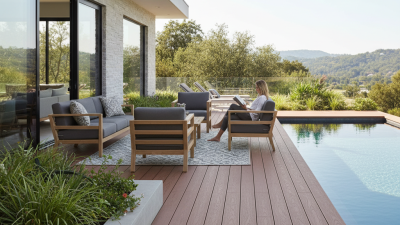
Composite Wood Decking has grown in popularity due to its durability and aesthetic appeal. According to a recent report by the Wood Products Council, the demand for composite materials has surged by over 30% in the last five years. This rise is attributed to homeowners seeking sustainable and low-maintenance alternatives to traditional wood decking. Industry expert Dr. Jane Thompson, a leading authority in composite materials, notes, "Composite decking not only offers longevity but also contributes to environmental sustainability."
When selecting the right composite wood decking, it is essential to understand the different materials and manufacturing processes involved. Unlike traditional wood, composite materials combine recycled plastics and wood fibers, resulting in a product that resists fading, staining, and warping. Moreover, the varied textures and colors allow homeowners to customize their outdoor spaces. However, not all composite wood decking is created equal. Some products may lack the necessary quality, leading to premature wear and customer dissatisfaction.
As this market expands, buyers must remain vigilant. Understanding the specifications and warranties associated with different products can ensure satisfaction and longevity. Selecting poor-quality composite wood decking can lead to costly replacements sooner than expected. High-quality materials and reputable brands can make a significant difference in performance and lifespan. The journey to finding the ideal composite deck begins with informed choices.
What is Composite Wood Decking?
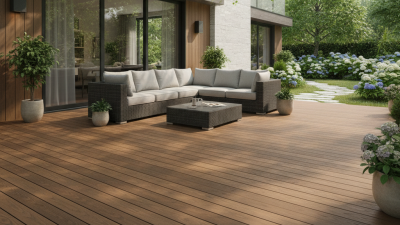
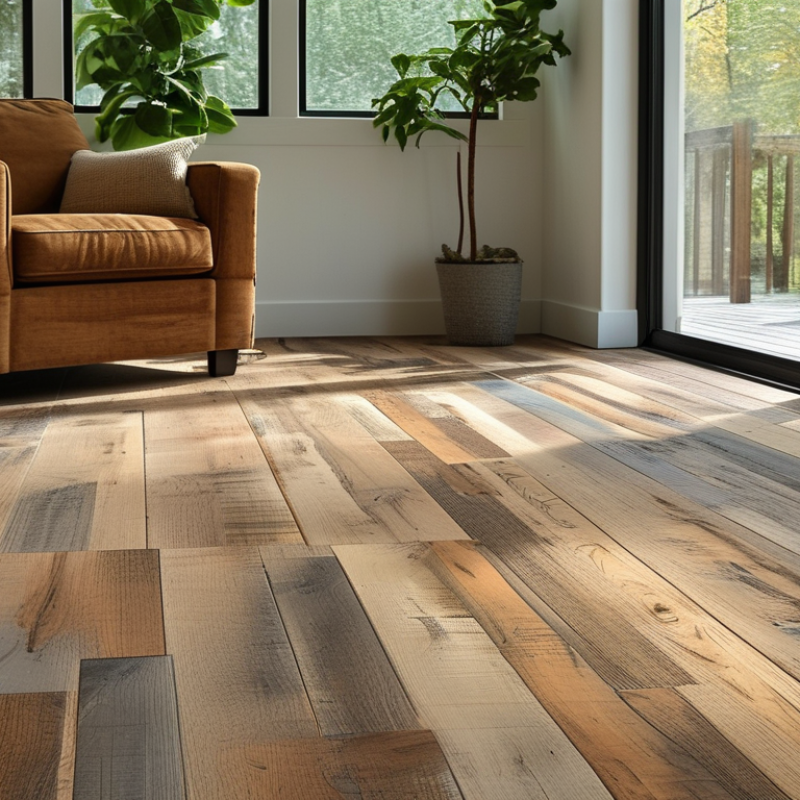
Composite wood decking is an innovative material designed for outdoor structures. It combines wood fibers and plastic. This mixture creates a durable alternative to traditional wood. Homeowners love it for its longevity and low maintenance. Unlike natural wood, composite decking resists rot, mold, and fading. This makes it an appealing choice for busy lifestyles.
Choosing composite wood decking involves several considerations. Look at the material's composition and manufacturing process. Some products use recycled materials, which can be more eco-friendly. Check the color options and textures available. You want a style that complements your home. Consider the warranty offered by the manufacturer. Quality composite decking often comes with a long warranty period, indicating reliability.
Installation is also key. Composite decking can be heavier than traditional wood. This might require additional support structures. Some people struggle with the installation process. It’s worth seeking expert help if you’re unsure. Understanding these details can lead to a more satisfying outdoor space.
Advantages of Composite Wood Decking Over Traditional Wood
Composite wood decking is increasingly popular due to its numerous advantages over traditional wood. Many homeowners are seeking sustainable options for their outdoor spaces. A report from the Freedonia Group highlighted that the demand for composite decking is set to grow at a rate of 10% annually, driven by the material's durability and low maintenance requirements.
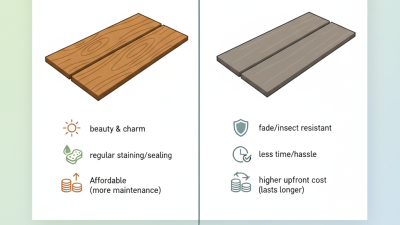
One significant benefit is that composite wood decking is resistant to rot and insects. Traditional wood often succumbs to these problems, leading to costly replacements. In contrast, composite materials are designed to withstand harsh weather conditions. According to the North American Deck and Railing Association, composite decks can last 25 years or more with proper care. This longevity translates to lower costs over time, making composite a sensible investment.
Additionally, composite decking usually requires minimal upkeep compared to wood. It doesn't need staining or sealing, which saves homeowners time and money. While some may argue that composites can appear less natural than wood, advances in technology have made many modern composites more visually appealing. However, this transition still raises questions about aesthetics versus functionality. Understanding these aspects can lead to a more informed decision.
Factors to Consider When Choosing Composite Wood Decking
When selecting composite wood decking, there are key factors to consider. First, think about the material composition. Composite decking typically features a blend of wood fibers and plastic. This mix affects durability, maintenance, and performance. Look for options that provide high resistance to moisture and UV rays. Durability is essential, especially in harsh climates.
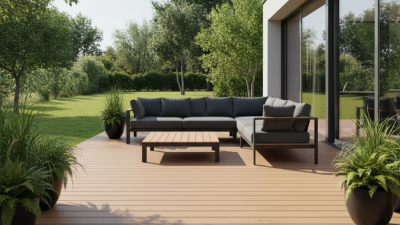
Next, consider the aesthetics. Composite decking comes in various colors and textures. You may want a natural wood look or a modern finish. Samples can provide insight into how different options fit your vision. Don't forget to check the warranty offered by the manufacturer. A strong warranty can indicate the deck's long-term performance.
Another factor is installation. Some composite decking options require specific tools or techniques. Ensure you understand the installation process. If you're hiring professionals, ask about their experience with composite materials. Cost is also a critical aspect. Prices can vary widely based on quality and design. It's worth investing a bit more for longevity. Keep these factors in mind to ensure the best choice for your outdoor space.
Composite Wood Decking: Factors to Consider
Types of Composite Wood Decking Materials Available
Composite wood decking is a popular choice for outdoor spaces. It combines wood fibers with plastic, creating a durable and weather-resistant surface. When selecting composite decking materials, it's essential to understand the different types available.
There are primarily two types of composite materials: capped and uncapped. Capped composite boards feature a protective layer that resists moisture and stains. This enhances the longevity of the deck. On the other hand, uncapped boards are more affordable but may require more maintenance. They are prone to fading and can be vulnerable to mold growth.
Another consideration is the composition of the materials. Some composites contain recycled content, contributing to sustainability. Others might focus on a more natural wood appearance. It's crucial to weigh these details. Reflect on your specific needs, budget, and the level of maintenance you are prepared to commit to. Choosing the right material can significantly impact your deck's performance and aesthetics.
What is Composite Wood Decking and How to Choose It? - Types of Composite Wood Decking Materials Available
| Type of Composite Wood Decking |
Material Composition |
Durability |
Maintenance Requirements |
Environmental Impact |
| Wood-Plastic Composite (WPC) |
Wood fibers and recycled plastic |
High resistance to moisture and insects |
Low; requires occasional cleaning |
Recycled materials contribute to sustainability |
| High-Density Polyethylene (HDPE) |
100% recycled plastic |
Very durable, resistant to UV rays |
Minimal; no sealing needed |
High recyclability enhances eco-friendliness |
| Capped Composite Decking |
WPC with a protective polymer cap |
Extremely durable with enhanced surface protection |
Very low; easy to clean and maintain |
Utilizes recycled plastics; reduces waste |
| Bamboo Composite Decking |
Bamboo fibers and recycled plastics |
Strong and resistant to weathering |
Moderate; occasional cleaning recommended |
Sustainable bamboo resource |
Tips for Maintaining Your Composite Wood Decking
Maintaining composite wood decking requires regular attention. Unlike traditional wood, composite materials resist rotting and fading. However, that doesn’t mean they are entirely maintenance-free. Regular cleaning plays a vital role in extending the lifespan of your decking.
A simple sweep with a broom can remove debris that collects on the surface. Every few months, wash your deck with soap and water, using a soft-bristle brush. Avoid harsh chemicals that might damage the finish. It’s wise to address stains quickly, especially from spills. Just a bit of hot water and mild detergent work wonders.
Seasonal inspections are key. Look for any signs of wear, such as fading colors or loose boards. Ignoring these problems can lead to costly repairs down the line. After heavy rain or winter snow, check for moisture buildup. Mold can develop in shaded areas if left unattended. While composite decking is durable, a little routine care ensures it remains inviting for gatherings and relaxation.