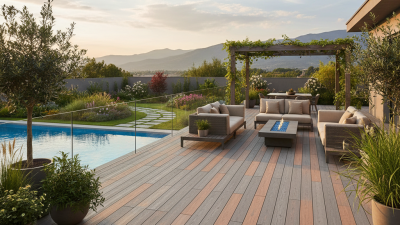
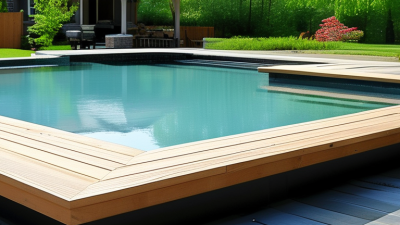
Top 10 Benefits of WPC Material for Global Buyers?
WPC Material, short for Wood Plastic Composite, has become a game changer in the construction and design industries. Expert in composite materials, Dr. Emily Chen, highlights its significance, stating, “WPC Material stands at the intersection of sustainability and innovation.” This blend of recycled wood and plastic offers various advantages, appealing to global buyers looking for durable and eco-friendly options.
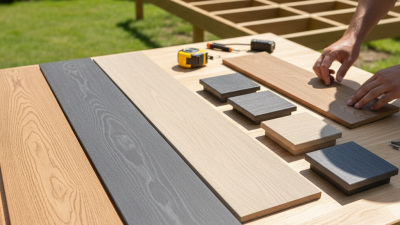
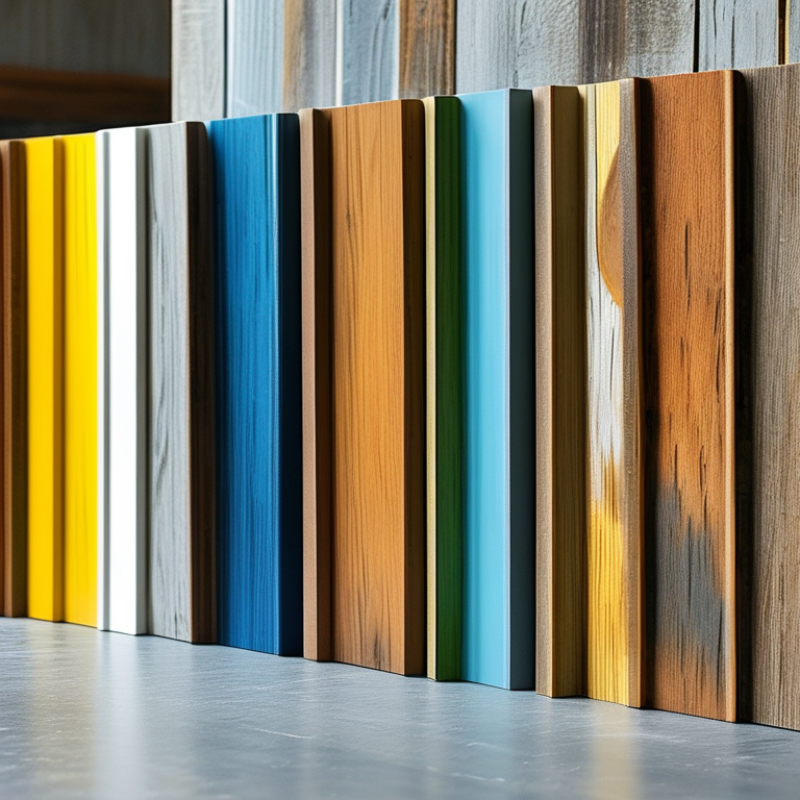
One of the standout benefits of WPC Material is its resilience against weather damage. Unlike traditional materials, it resists rot, fading, and pests. Furthermore, its low maintenance needs save time and costs. Buyers can enjoy beautiful surfaces without the constant upkeep. The aesthetic appeal of WPC Material is notable too. It comes in diverse colors and textures, mimicking natural wood’s beauty.
However, not all WPC products are created equal, leading to potential pitfalls. Quality can vary widely, so buyers must be diligent in their choices. Reflection on these aspects reveals both the promise and challenges associated with WPC Material. Overall, understanding its benefits can empower buyers to make informed decisions.
Benefits of WPC Material: Overview of Composition and Features
WPC, or wood-plastic composite, has gained attention for its unique properties. It combines wood fibers with plastic to create a versatile material. The blend is eco-friendly and maintains the aesthetic appeal of wood while enhancing durability. Many global buyers appreciate its low maintenance requirements. Unlike traditional wood, WPC does not warp or splinter easily. This feature makes it particularly valuable in outdoor applications.
The composition of WPC includes natural fibers and polymers. This combination results in a lightweight yet robust material. Buyers often notice its resistance to moisture and insects, which adds to its long lifespan. However, some users may find color variations over time. This might require periodic refinishing or treatment. Despite this, WPC remains a preferred choice for decking, fencing, and furniture.
Another feature is its ability to be molded into various shapes. This adaptability means it can fit diverse design needs. While WPC shows promising benefits, it's essential to consider local climate factors. Extreme temperatures can affect performance. Understanding these nuances can help buyers make informed decisions. The blend of durability, design flexibility, and ecological consideration makes WPC a compelling option in material selection.
Durability of WPC: Comparison with Traditional Materials in Outdoor Applications
The durability of Wood Plastic Composite (WPC) makes it a compelling choice for outdoor applications. WPC combines wood fibers and plastic, resulting in a material that resists water, decay, and insects. This resilience is crucial for outdoor products exposed to harsh weather. Traditional materials like wood can warp, splinter, and require constant maintenance. In contrast, WPC maintains its appearance and structural integrity for years.
In many cases, WPC offers a longer lifespan than its wooden counterparts. While natural wood can last up to 10-15 years with proper care, WPC can last over 25 years under similar conditions. This durability translates into cost savings over time, as replacement and repair expenses diminish. However, some may argue that WPC lacks the traditional aesthetic of real wood. This perception, while understandable, invites a conversation about evolving design preferences.
Another point of consideration is the environmental impact of WPC production compared to wood. It often incorporates recycled materials, which can support sustainability efforts. Yet, some manufacturers may not disclose the complete lifecycle impact of WPC. Buyers must weigh these factors and conduct thorough research to ensure they make informed decisions. Balancing longevity, maintenance, and environmental responsibility is key.
Top 10 Benefits of WPC Material for Global Buyers
Cost-Effectiveness of WPC: Analyzing Life Cycle Costs in Construction
WPC, or wood-plastic composite, offers unique advantages in construction. Its life cycle costs are often more appealing than traditional materials. Unlike pure wood, WPC resists decay and insect damage, leading to lower maintenance expenses. This durability extends its service life. Homeowners and builders can track expenses more easily over time.
Installation of WPC can also be faster. It often requires less labor due to its lightweight nature. This can reduce onsite labor costs. Beyond the initial purchase price, consider long-term savings. WPC does not need regular treatments or coatings like wood. The environmental impact is another factor. Many buyers aim for sustainable options. WPC is usually made from recycled materials, contributing to a circular economy.
While WPC has many benefits, it’s not without challenges. Some WPC products may fade or warp over time. Buyers should research thoroughly before investing. Ensuring proper installation is crucial for maximizing benefits. Balancing cost and quality requires careful consideration of specific project needs. Transparency is key when analyzing life cycle costs to avoid future regrets.
Sustainability and Environmental Impact of WPC Material Usage
Wood Plastic Composites (WPC) have gained traction for their sustainability and positive environmental impact. These materials blend wood fibers with plastics, creating a product that reduces the need for virgin materials. A recent report indicates that WPC production can lower CO2 emissions by up to 40% compared to traditional materials. This is significant in a time when carbon footprint reduction is paramount.
Moreover, WPC is often made from recycled materials, enhancing its eco-friendly profile. Studies show that using recycled plastics in WPC can divert approximately 3 million tons of plastic waste annually from landfills. However, it’s essential to recognize that not all WPC products are created equal. Some may still rely on harmful additives, which can undermine their overall sustainability.
The durability of WPC also warrants attention. While these materials resist rot and decay better than solid wood, they can eventually degrade and require replacement. Environmental impact assessments reveal that poor disposal methods of WPC can lead to plastic pollution. Hence, end-of-life waste management remains a critical aspect to consider in the sustainability narrative. Understanding both the benefits and potential drawbacks is essential for global buyers.
Top 10 Benefits of WPC Material for Global Buyers
| Benefit |
Description |
Environmental Impact |
| Durability |
WPC materials are designed to withstand extreme weather conditions, reducing the need for frequent replacements. |
Less waste generated from replacements leads to lower environmental impact. |
| Low Maintenance |
Requires minimal upkeep compared to traditional wood, saving time and resources. |
Reduces resource usage over time, contributing to sustainable practices. |
| Sustainability |
Made from recycled materials, promoting a circular economy. |
Decreases the demand for virgin timber, helping conserve forests. |
| Resistance to Insects |
Not susceptible to termites and other insects, prolonging lifespan. |
Less need for chemical treatments that can harm ecosystems. |
| Aesthetic Versatility |
Available in various colors and finishes, enhancing design options. |
Facilitates creative designs without harming the environment. |
| Cost-Effectiveness |
Competitive pricing over time due to low maintenance and longevity. |
Encourages the selection of sustainable materials based on affordability. |
| Weather Resistance |
Withstands moisture, UV light, and temperature changes. |
Reduces the likelihood of environmental degradation caused by weather. |
| Ease of Installation |
Lightweight and easy to handle, promoting DIY projects. |
Less time on installation means lower energy use and emissions. |
| Recyclability |
WPC materials can be reprocessed, contributing to waste reduction. |
Supports waste management initiatives by being recyclable. |
| Non-Toxic |
Free from harmful chemicals found in some traditional materials. |
Promotes better air quality and healthier environments. |
Aesthetic Flexibility: Design Options and Trends in WPC Products
WPC, or Wood Plastic Composite, has gained popularity for its aesthetic flexibility in design. This versatile material combines wood fibers and plastic, allowing for a range of textures and finishes. The appearance mimics natural wood, providing a warm and inviting look. However, it can also be produced in various colors and patterns, appealing to contemporary styles.
Design trends in WPC products lean toward sustainability and innovation. Many buyers appreciate the eco-friendly aspect, as WPC is often made from recycled materials. This aspect not only promotes a greener planet but also caters to modern consumers’ preferences for responsible choices. Nevertheless, the finish of WPC can vary, leading to potential inconsistencies. Some products may exhibit fading or wear over time, particularly in harsh climates.
The adaptability of WPC is significant. It can be molded into different shapes, allowing for unique designs in decking, fencing, and siding. This flexibility encourages creativity. Yet, it’s vital to consider installation methods and long-term maintenance. Improper installation can affect the longevity and appearance of WPC products. Hence, buyers must stay informed about best practices and potential pitfalls in design and application.