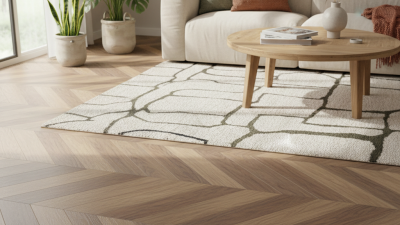
What Are the Top WPC Floor Manufacturers in China?
Choosing the right WPC Floor manufacturer in China requires more than comparing catalog photos and factory prices. Product quality can vary between batches, even when two samples look almost identical. A dependable supplier should demonstrate stable production, clear material specifications, and practical export experience.
This guide examines leading Chinese WPC Floor manufacturers through measurable criteria. These include raw material control, surface durability, dimensional stability, waterproof performance, and formal quality testing. We will also consider factory capacity, private-label support, packaging standards, lead times, and after-sales communication. A strong manufacturer should explain its product structure clearly, from the wear layer to the locking system.
Real details matter.
A reliable evaluation may include reviewing test reports, requesting recent samples, and checking how cartons are protected during shipment. Factory audits can reveal more than polished websites. Questions about installation tolerances, replacement policies, and warranty conditions also deserve direct answers. Some manufacturers may appear highly competitive but provide limited technical documentation. That weakness should not be ignored.
This article presents several notable WPC Floor manufacturers in China and explains where each company may fit different projects. The comparison is not intended to declare one universal winner. Commercial flooring, residential renovation, hospitality spaces, and export distribution all require different priorities. Buyers should verify current certifications, production claims, and contract terms independently. Market information changes, and no shortlist remains perfect forever. That is worth remembering.
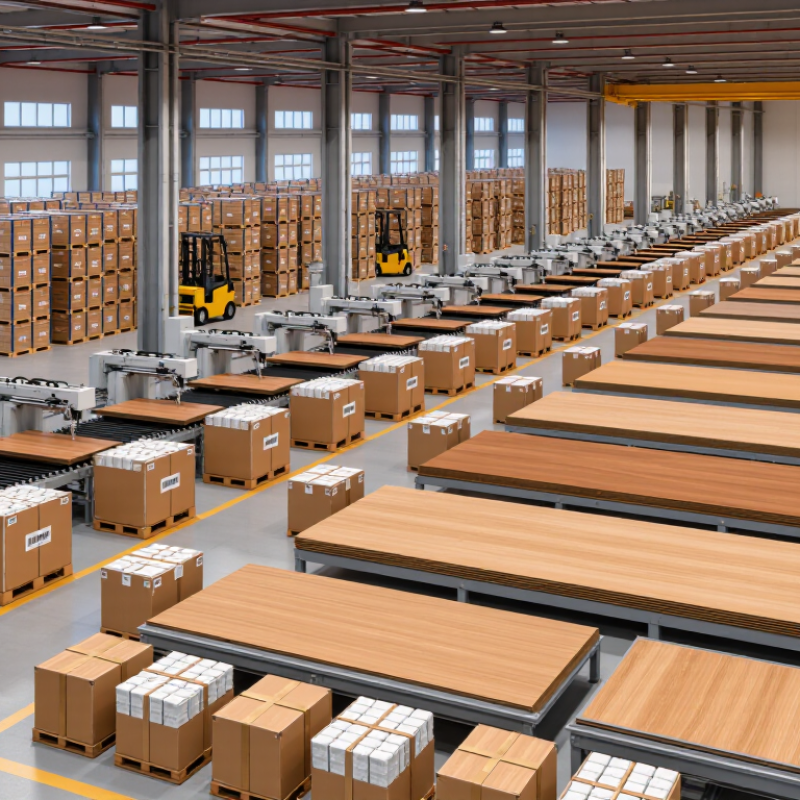
What Is WPC Flooring and Why Is China a Major Producer?
WPC flooring combines wood flour, PVC or other polymers, stabilizers, and surface films. It is usually extruded into rigid planks, then finished with a printed décor layer and wear coating. The result feels warmer than ceramic tile and resists everyday moisture. It is not completely waterproof in every installation. Subfloor movement and poor joints still create problems.
China is a major producer because its PVC, additives, wood-processing, extrusion, printing, and packaging industries operate within a dense supply network. This structure supports large production runs and flexible customization. Grand View Research reported that the global wood-plastic composites market reached about USD 7.9 billion in 2023, although research firms use different definitions. Fortune Business Insights also forecasts continued growth in related resilient flooring markets. These figures support demand, but they do not prove that every Chinese factory offers equal quality. That assumption needs more testing.
Tips: When evaluating a Chinese WPC flooring manufacturer, request recent test reports, production-line photos, and batch-level inspection records. Check dimensional stability, wear resistance, slip performance, formaldehyde emissions, and click-lock strength. Ask for results under the standards required in the destination market. A serious supplier should explain its core-layer recipe, recycled-content percentage, and tolerance limits. Sample approval alone is weak evidence. In factory audits, small details matter: uneven plank edges, inconsistent color, and dusty packaging often predict larger claims later. Some buyers focus too heavily on price. That may be the least professional shortcut.
How to Evaluate Leading WPC Floor Manufacturers in China
Evaluating leading WPC floor manufacturers in China requires more than comparing catalog prices. Grand View Research valued the global wood-plastic composites market at about USD 7.2 billion in 2022. It also projects strong growth through 2030. This growth attracts capable factories, but also inexperienced suppliers. A polished sample can still hide weak locking systems or uneven core density.
Ask for factory production records, not only sales presentations. Check extrusion lines, curing areas, inspection equipment, and packaging conditions during a video or in-person audit. Request batch-level test reports for dimensional stability, wear resistance, slip performance, and formaldehyde emissions. ISO 10582 provides a useful reference for resilient floor coverings, while ASTM methods can support wear and dimensional testing. Reports should identify the tested product, production batch, laboratory, and test date.
Material consistency matters. Measure plank thickness at several points, then inspect the click edge under strong light. Small burrs often become installation problems. Review the wear-layer thickness and confirm whether laboratory results match commercial production. Intertek’s 2024 global consumer product testing insights emphasize traceability and independent verification as important quality controls. Still, paperwork is not proof by itself. My own evaluation can be imperfect if it relies on one sample. I would test multiple batches, including darker colors and longer planks. Also examine warranty terms, replacement stock, moisture guidance, and response times. The cheapest quotation may become expensive after installation failures.
How to Evaluate Leading WPC Floor Manufacturers in China
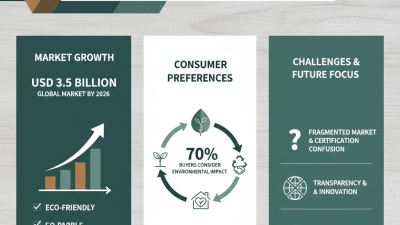
A practical procurement benchmark for comparing WPC flooring manufacturers. The evaluation dimensions reflect common buyer requirements, including product compliance, manufacturing capability, quality control, sustainability, and export service.
The percentages represent recommended evaluation weights rather than the market share or performance of any individual company or brand.
Which Chinese WPC Floor Manufacturers Are Most Notable?
The most notable Chinese WPC floor manufacturers are not defined by low prices alone. They combine stable extrusion, precise embossing, and reliable click-lock production. Grand View Research estimates that the global WPC flooring market will expand steadily through 2030, with demand supported by waterproof residential flooring and renovation projects. This growth raises the value of consistent manufacturing, not just large output.
Experienced buyers should examine production details closely. Leading Chinese factories usually control core layers, wear layers, and edge profiles under one quality system. Look for ISO 9001 certification, EN 14041 documentation, and test results for abrasion, dimensional stability, and slip resistance. Export experience also matters. A supplier should explain carton testing, pallet protection, and moisture control during container transport. Small details often expose weak systems.
Ask for recent batch samples, not showroom pieces. Compare color, locking strength, board thickness, and surface texture under direct light. No factory is perfect. A few suppliers may offer impressive certificates but weak corrective-action records. That deserves attention. Mordor Intelligence identifies residential construction and renovation as major WPC flooring demand drivers, yet market reports vary because product definitions differ. Buyers should therefore verify every forecast, test report, and production claim before signing a contract.
How Do Chinese WPC Floor Manufacturers Compare?
Chinese WPC floor manufacturers compete through scale, customization, and export experience. Grand View Research estimated the global wood-plastic composites market at about USD 7 billion in 2022. It also projected roughly 7.5% annual growth from 2023 to 2030. This expanding demand supports China’s large production base, but capacity alone does not prove quality.
The strongest Chinese suppliers usually offer several core advantages. Their factories can adjust board thickness, surface embossing, color, and locking profiles for different markets. Many also provide laboratory testing for slip resistance, dimensional stability, water absorption, and wear performance. These details matter during installation. A floor that looks stable in a showroom may expand near a sunny glass wall. Independent testing under ISO, ASTM, or regional standards gives buyers more reliable evidence. Reports from Intertek and SGS frequently emphasize traceable testing, production audits, and batch documentation in flooring procurement.
Price remains attractive, although the comparison is not simple. Lower factory pricing may reflect efficient extrusion lines, local raw materials, and concentrated supply chains. It can also hide thinner wear layers or weaker quality control. That distinction deserves attention. A 2024 market review by Mordor Intelligence described Asia-Pacific as a major growth region for WPC flooring, driven by residential and commercial construction. Still, published market data often combines flooring with broader WPC products, which weakens direct comparisons. Buyers should examine production samples, third-party reports, moisture results, warranty terms, and container-loading records. No ranking is perfect. Supplier performance can change between batches.
What Should Buyers Check Before Choosing a Manufacturer?
Choosing among China’s leading WPC floor manufacturers requires more than comparing catalog prices. Market reports often classify WPC under resilient or luxury vinyl flooring. Grand View Research valued the global LVT market at about USD 29.63 billion in 2023, with projected growth through 2030. That expansion attracts capable factories, but also inexperienced suppliers.
Ask for product-level evidence.
Check the SPC or WPC core thickness, wear-layer measurement, board density, and dimensional stability after heat exposure. Request recent test reports for water absorption, locking strength, slip resistance, and abrasion. ASTM F3261 and ISO 10582 provide useful reference points for resilient flooring performance. The exact test method matters.
Indoor air quality deserves equal attention. Request formaldehyde and VOC results from an independent laboratory, not only an internal declaration. FloorScore-style testing and California Section 01350 criteria can help buyers compare emissions claims. A glossy sample can still hide weak joints. I would inspect at least three production batches, including cartons from the factory floor. Check color variation, click engagement, edge damage, and packaging moisture protection. Ask whether the manufacturer controls its own extrusion and locking processes. Some factories outsource critical steps without explaining it. That is a warning sign.
Review the factory audit, quality-control records, export experience, replacement policy, and warranty exclusions. Confirm the stated capacity with production schedules and loading photographs. One perfect sample proves very little. A smaller supplier may communicate better, yet lack stable raw-material control; a large factory may offer capacity but respond slowly to defects. Make the decision from verified records, not confident sales language.