What is a Shed House and Why is it Gaining Popularity?
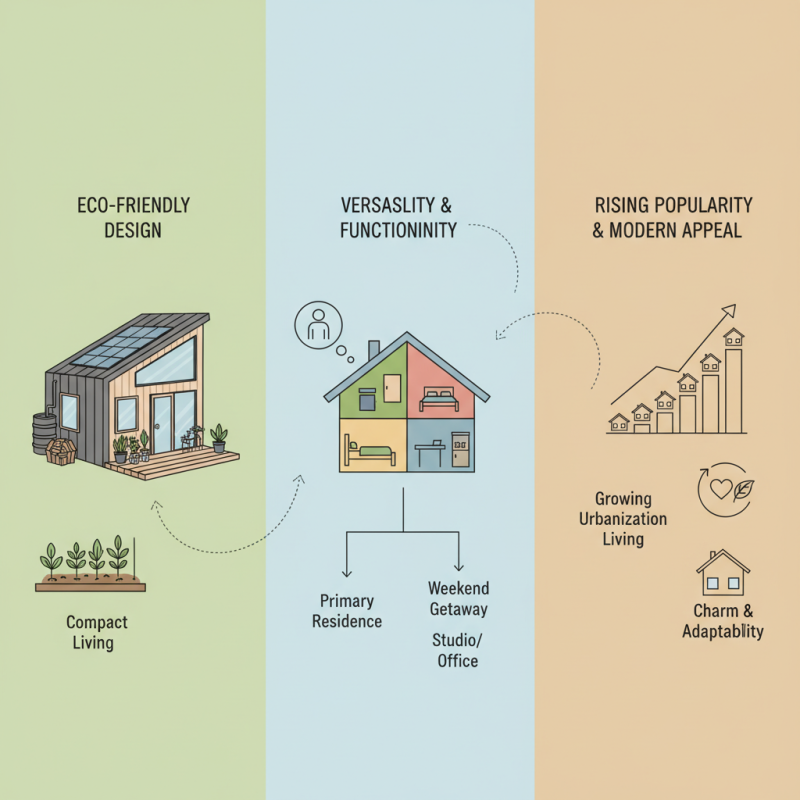
Shed houses are emerging as an innovative housing solution. This trend blends simplicity with functionality. As urban areas grow, people seek alternative living arrangements. Shed houses are compact, efficient, and often eco-friendly. They surprise many with their aesthetic appeal.
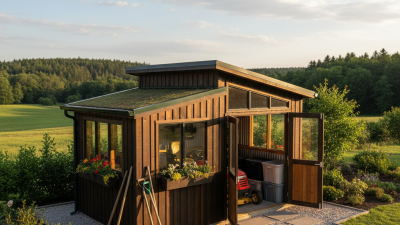
Unlike traditional homes, shed houses have unique designs. They make great use of limited space. Many creators prioritize sustainability in their materials. This conscious choice attracts environmentally aware individuals. The appeal lies in their versatility. Whether used as a primary home or a getaway, shed houses serve multiple purposes.
Some may see shed houses as too unconventional. Skepticism surrounds their practicality. Can they provide adequate comfort year-round? The answer often depends on personal preference and climate considerations. Despite these concerns, the popularity of shed houses continues to rise. More people embrace these structures for their charm and adaptability. As the trend grows, it challenges conventional ideas of home living.
What Defines a Shed House: Key Characteristics Explained
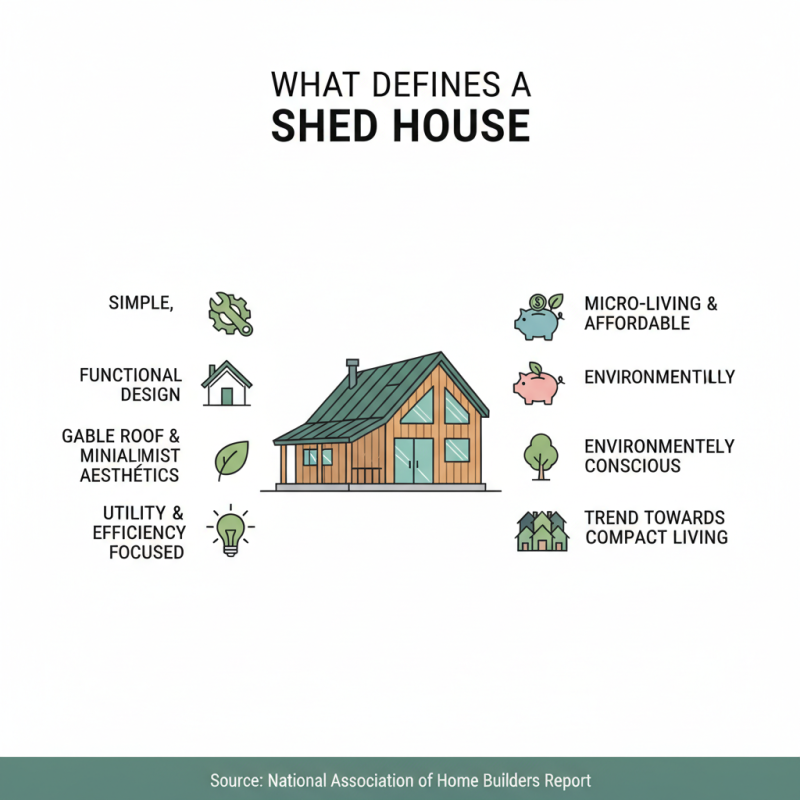
A shed house typically features a simple, functional design similar to that of a garden shed. These structures often have a gable roof and minimalist aesthetics, focusing on utility and efficiency. Recent studies indicate that micro-living options, like shed houses, appeal to environmentally conscious individuals seeking affordable living solutions. According to a report from the National Association of Home Builders, tiny homes and shed houses are now part of the broader trend toward compact living. This trend reflects a shift in consumer preferences toward sustainability and cost-effectiveness.
Key characteristics of a shed house include their adaptability, affordability, and eco-friendliness. Typically, these homes range from 150 to 500 square feet, allowing for efficient use of materials and energy. Many shed houses incorporate sustainable building practices, like using reclaimed materials or energy-efficient designs. For some, this may seem restrictive in size. However, many appreciate the simplicity and lower maintenance these homes offer.
One challenge is the zoning laws that can limit where these structures can be placed. Urban areas often impose strict regulations. It forces potential homeowners to navigate a complex legal landscape. Despite these hurdles, interest continues to grow, driving innovation in design and functionality within the shed house community.
The Evolution of Shed Houses: A Brief Historical Overview
Shed houses have evolved significantly over the years. Initially, they were simple storage spaces, often found in backyards. People used them for tools and gardening supplies. Gradually, these structures gained attention as creative living spaces. Artists and minimalists embraced them, transforming the mundane into the extraordinary.
The shift in perception began around the 2000s. Sustainability became a focal point in architecture. People desired eco-friendly options. Shed houses, with their simple design and modest footprint, fit perfectly. They also matched the growing trend of downsizing. Living simply allows for a more intentional lifestyle. However, while they offer benefits, challenges exist too. Design limitations can restrict functionality. Also, local zoning laws may complicate things.
Today, shed houses are more than just a trend. They represent a blend of utility and artistic expression. Many showcase innovative designs and unconventional layouts. Despite their appeal, some may struggle to adapt to such minimalist living. The journey of shed houses is ongoing, evolving with each new owner and their vision.
Popularity of Shed Houses Over Time
Benefits of Living in a Shed House: Cost, Sustainability, and Flexibility
Shed houses are becoming increasingly popular due to their unique benefits. One significant advantage is cost-effectiveness. According to industry reports, building a shed house can be 30% cheaper than traditional homes. This affordability allows individuals to invest in quality materials while still saving significantly on labor and overall costs. Many people are turning to shed houses as an entry point into homeownership, particularly in high-priced markets.
Sustainability is another key factor in this trend. Shed houses are often constructed with eco-friendly materials and designs that minimize energy consumption. A survey from the Sustainable Building Association reveals that homes designed with sustainability in mind can reduce energy bills by up to 50%. This aligns with growing consumer preferences for greener living options.
Flexibility is also crucial when considering a shed house. These structures can adapt to various needs, whether as a primary residence or a secondary dwelling. Many owners report being able to customize their layouts easily to fit their lifestyle. However, it’s essential to note that zoning laws and building regulations can pose challenges. Understanding local requirements is vital before embarking on this housing journey. Each decision should be weighed against potential limitations and opportunities for sustainable living.
Popularity Drivers: Why Shed Houses Are Trending in Modern Architecture
Shed houses are becoming a popular choice in modern architecture. With their simple structures, they offer a unique charm. These homes are often designed with natural materials, making them environmentally friendly. The minimalist aesthetic appeals to many who prioritize simplicity and functionality. The open spaces can provide a sense of freedom, a stark contrast to cramped city living.
One reason for their rise in popularity is affordability. Shed houses can be constructed with less investment than traditional homes. This draws in younger buyers and those seeking to downsize. Additionally, their versatility allows for personal customization. Owners can modify aspects to fit their lifestyles and preferences. However, this flexibility can lead to indecision or project delays.
Another driver is the connection to nature. Many shed houses feature large windows and outdoor spaces. This invites the surrounding landscape inside. It fosters a feeling of tranquility. Yet, living close to nature may pose challenges. Issues like pests or weather impacts can affect comfort. Shed houses, despite their appeal, require careful consideration in site selection and design.
Future Prospects: The Growth of Shed House Communities and Designs
Shed house communities are becoming increasingly popular. These homes offer a unique blend of efficiency and simplicity. Designed to be functional, they maximize small spaces. The trend appeals to those seeking minimalist lifestyles. Many people appreciate the affordability and ease of construction. This makes shed houses accessible to various demographics, including young families and retirees.
As more individuals embrace social connection, shed house communities are emerging. People want to live closer together, sharing resources. This promotes a sense of belonging and sustainability. However, creating these communities requires careful planning. Questions about zoning laws and land use often arise. Some communities face challenges in acceptance from local authorities.
The architectural designs are evolving too. Innovative materials and eco-friendly practices are gaining traction. Yet, there are criticisms that some shed houses lack aesthetic appeal. Balancing simplicity with beauty is still a work in progress. Overall, the growth of shed house communities reflects a broader shift towards sustainable living. The journey to establish these unique neighborhoods continues, with much room for improvement and creativity.