How to Choose the Best WPC Decking for Your Project?
Choosing the best WPC decking for your project can be daunting. WPC stands for wood-plastic composite, a popular material for outdoor spaces. It combines wood fibers and recycled plastics, offering durability and aesthetic appeal.
When selecting WPC decking, consider your specific needs. Think about the climate in your area. Some products perform better in extreme weather. The color and texture are also vital. A well-chosen deck enhances your outdoor design.
Quality varies significantly among manufacturers. Research their reputation and customer reviews. Examine the warranty they provide. It reflects the brand’s confidence in their product. While making your choice, keep in mind that flooring should align with your lifestyle and maintenance expectations.
Understanding WPC Decking: An Overview of Materials and Benefits
WPC decking, or wood-plastic composite decking, is a popular choice for outdoor projects. It combines wood fibers and plastic to create a durable and low-maintenance material. Recent industry reports indicate a significant increase in WPC decking's market share, driven by its eco-friendly nature and ability to withstand harsh weather conditions.
One key benefit of WPC decking is its resistance to rot and insects. This leads to a longer lifespan compared to traditional wood. In fact, studies show that WPC can last up to 25 years with proper maintenance. Moreover, it requires less frequent replacement, aligning with sustainable building practices.
Tip: Consider your climate before making a decision. In humid areas, choose WPC with higher plastic content for better moisture resistance.
Another advantage is the variety of colors and styles available. Homeowners can achieve the look of natural wood without the drawbacks. However, not all WPC decking options are created equal. Some may fade faster under sunlight, leading to uneven colors over time.
Tip: Look for products with UV protection or warranties that cover color retention to ensure lasting beauty.
In summary, understanding the materials and benefits behind WPC decking can help you make a more informed choice for your project.
Factors to Consider When Choosing WPC Decking for Your Project
Choosing the right WPC decking for your project involves several critical factors. Durability is key. A report from the U.S. Forest Service indicates that WPC can last up to 25 years with proper maintenance. This longevity makes it an attractive option for homeowners. However, not all WPC products are created equal. You should consider the composition of the decking. The ratio of wood to plastic can greatly influence performance.
Aesthetics also play a role. Many people prefer natural wood looks. Some options mimic wood grain closely. Data from Timber Products Inspection notes that surface textures can impact traction, making it crucial to choose a style that fits your environment.
Here are some tips: Check for warranties. A good warranty can indicate quality. Always ask about the recycling process for materials. This speaks to the sustainability of the product. Moreover, it's wise to research local climate effects on WPC. Some regions face harsher weather that could affect the material's lifespan.
Finally, budget is often a consideration, but it shouldn't be the only one. Cheaper options may save you money upfront but might require more repairs down the line. Investing in durable WPC can lead to cost savings and greater satisfaction over time.
Factors to Consider When Choosing WPC Decking
Comparing Different Types of WPC Decking: Pros and Cons
When selecting WPC decking, it’s essential to compare the various types available. WPC, or Wood-Plastic Composites, typically combine wood fibers with recycled plastic. This mix brings both advantages and drawbacks.
The two main types of WPC decking are capped and uncapped. Capped decking is covered with a plastic layer that offers protection against stains, scratches, and fading. According to the 2023 Decking Material Trends report, capped WPC decking shows a 30% longer lifespan than uncapped options. On the downside, capped decking can lead to higher initial costs.
Uncapped decking, while less expensive, may require more frequent maintenance. It is often more susceptible to water damage and mold, which could lead to costly repairs. Research by the National Association of Home Builders indicates that homeowners can spend up to 20% more on maintenance with uncapped WPC decking. Considering these factors is crucial for your long-term investment decision.
Assessing Aesthetic Options: Colors, Textures, and Finishes
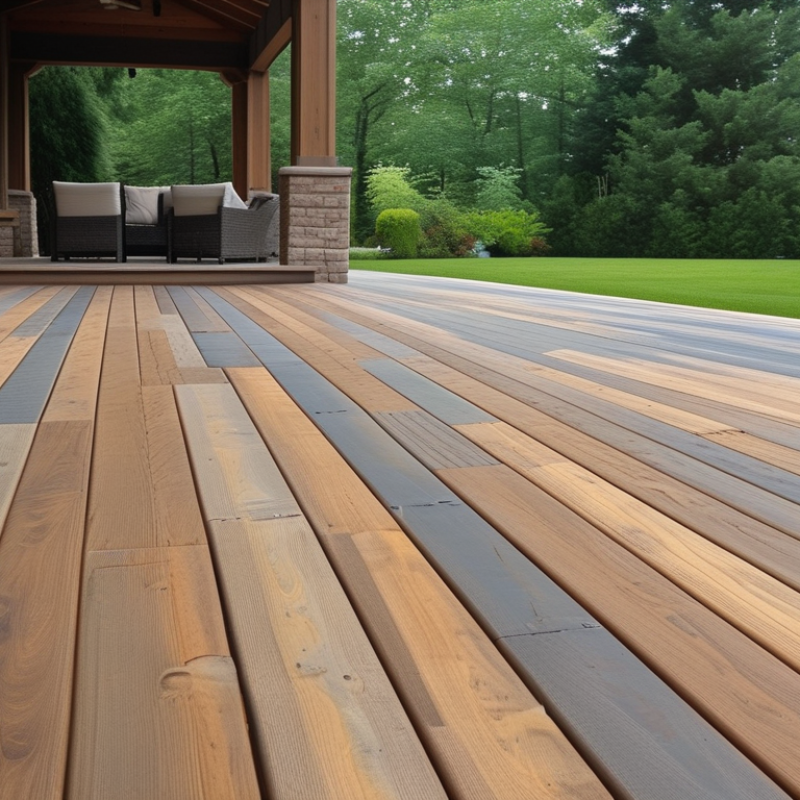
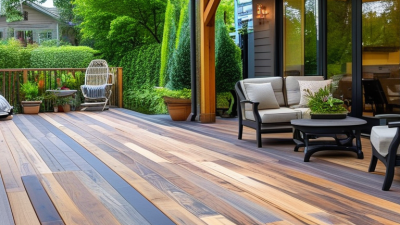
When selecting WPC decking, aesthetic options play a crucial role. Colors, textures, and finishes greatly influence the overall look. Consider how different hues can transform your outdoor space. Earth tones like browns and greens blend seamlessly with natural surroundings. Meanwhile, brighter shades add a modern pop, but might require more maintenance.
Textures can change the feel underfoot and the visual appeal. A smooth finish provides a sleek, elegant look, while a textured surface offers better traction. Think about the climate too. A rougher texture can be great in wet areas, but it may collect dirt more easily. Reflect on how you plan to use the space; aesthetics should match functionality.
Finishes enhance both durability and beauty. A matte finish may hide scratches better, whereas a glossy finish offers a polished look. You'll need to weigh these choices against long-term maintenance needs. Each decision shapes your project, and there may be drawbacks in every option. Take time to ponder your choices for the best outcome.
Budgeting for Your WPC Decking Project: Costs and Funding Options
When budgeting for a WPC decking project, the cost can fluctuate significantly. On average, homeowners can expect to spend between $2.50 and $10.00 per square foot, depending on the quality of materials. High-performance WPC decking might lean towards the higher end of the spectrum. A recent industry report by the Freedonia Group highlights that the market for composite decking is anticipated to grow by 6.5% annually, indicating rising demand and potential price adjustments.
Funding options for your decking project should be explored thoroughly. Many homeowners turn to home improvement loans or personal loans. According to the National Association of Home Builders, about 30% of homeowners utilize financing for such projects. Keeping a clear project scope can minimize unexpected costs. It's essential to remember that while cheaper materials may save money upfront, they can lead to higher maintenance costs in the long run.
Additionally, assessing your long-term goals is crucial. If you're considering selling your home, investing in higher-quality WPC can add value. However, it’s vital to weigh this against your immediate financial capacity. Unexpected costs can arise, such as installation fees or required permits. Therefore, being prepared for these variables will help you manage your overall budget effectively.
How to Choose the Best WPC Decking for Your Project? - Budgeting for Your WPC Decking Project: Costs and Funding Options
| Aspect |
Description |
Estimated Cost per Sq Ft |
Funding Options |
| Material Type |
Composite materials made from wood fibers and recycled plastic |
$4 - $10 |
Personal loans, Home equity loans |
| Durability |
Resistant to rot, insect damage, and fading |
N/A |
Cash purchase, Credit cards |
| Maintenance |
Low maintenance; requires cleaning and occasional resealing |
N/A |
DIY installation vs professional service |
| Environmental Impact |
Made from recycled materials and are recyclable |
N/A |
Green home improvement loans |
| Color Options |
Available in various colors and finishes to suit design preferences |
N/A |
Retail financing options |