Best Plastic Storage Sheds for Your Outdoor Needs?
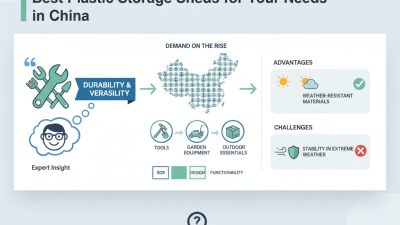
When considering outdoor storage solutions, Plastic Storage Sheds stand out for their versatility and durability. According to the Outdoor Structure Industry Report 2022, the demand for plastic storage solutions has increased by 30% over the past five years. This trend reflects growing consumer awareness of the long-lasting benefits plastic sheds offer.
Expert in the field, Dr. Emma Thompson, emphasizes this point: "Plastic Storage Sheds provide an excellent balance of strength and lightweight convenience." This practicality appeals to homeowners looking for reliable ways to protect their outdoor equipment and garden tools. For instance, a high-quality plastic shed can endure harsh weather, unlike traditional wood sheds, which require regular maintenance.
Despite their many advantages, not all plastic storage sheds are created equal. Consumers need to carefully evaluate materials and construction. Some products may appear affordable but compromise on durability and safety. Taking time to research ensures you invest wisely. Overall, as the market grows, understanding what defines a top-notch plastic storage option is essential.
Best Plastic Storage Sheds: An Overview of Key Features
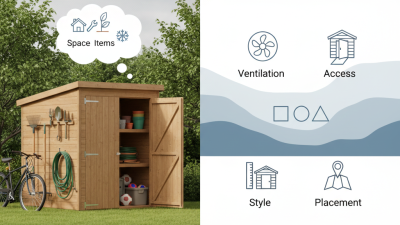
When choosing a plastic storage shed, consider the essential features that meet your outdoor needs. Durability is critical; high-quality plastic sheds can withstand harsh weather and resist rust. Look for UV-resistant materials to prevent fading. Ventilation is another important aspect. Proper airflow prevents mold and keeps your stored items fresh. Some designs include windows or vents for better air circulation.
Space is often limited, so think about size and storage capacity. Compact models fit snugly in small yards. Larger sheds allow for storing gardening tools, outdoor furniture, or even bicycles. Adjustable shelves can optimize space usage. Pay attention to access points as well. Large doors make it easier to retrieve bulky items, while lockable options enhance security.
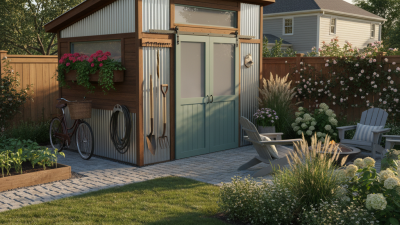
Aesthetic appeal should not be overlooked. Many plastic sheds come in various colors and styles, blending seamlessly with your backyard. While the focus is on functionality, a shed should also look good. Consider if the shed matches your outdoor decor. Lastly, installation can be a hassle. Check whether the shed requires tools and how complicated the setup process is. This can impact your overall experience with the product.
Material Durability: Understanding UV Resistance and Weatherproofing
When choosing a plastic storage shed, material durability is crucial. Not all plastics are created equal. Understanding UV resistance can significantly impact the lifespan of your shed. UV rays can degrade materials, leading to fading and weakening. Look for sheds with additives that enhance UV stability. This feature helps the shed withstand harsh sunlight without cracking or becoming brittle.
Weatherproofing is equally important. A well-made plastic shed should resist rain, snow, and temperature fluctuations. Many models come with seals that prevent water ingress. This protects stored items from moisture damage. Check for warranties that speak to weather resistance, as this can indicate a manufacturer’s confidence in their product.
Consider how your shed will be used. If you live in an area with extreme weather, invest in a model designed for such conditions. Some sheds perform well in warm climates but may not survive harsh winters. It’s essential to assess your environment. Doing so will help ensure that your shed remains functional for years, despite unpredictable weather patterns.
Cost Analysis: Comparing Price Ranges for Different Sizes and Brands
When considering plastic storage sheds, cost analysis is crucial in making an informed choice. The price varies significantly based on size and brand. Generally, small sheds (around 4x6 feet) may range from $200 to $600. For medium-sized options (about 6x8 feet), expect costs between $600 to $1,200. Large sheds (10x12 feet and above) can stretch from $1,200 to over $2,500. Research indicates that the average consumer spends around $1,000 on a quality plastic shed.
Materials and build quality greatly influence pricing. Higher-grade plastics or reinforced models typically come at a premium. A recent industry report highlighted that consumers often overlook the long-term durability of cheaper models, which may lead to more frequent replacements. Opting for a mid-range shed could prove more cost-effective over time despite the initial outlay.
Choosing the right size also affects overall costs. If you're unsure, consider assessing your outdoor space first. Evaluate what you plan to store inside. This helps prevent future purchasing mistakes. Always compare warranties as they reflect manufacturers' confidence in their products. Pay attention to potential additional costs, like installation or site preparation. Making an informed choice leads to better value and satisfaction.
Space Optimization: Tips for Choosing the Right Shed Size for Your Needs
Choosing the right shed size can significantly impact your outdoor organization. Understand your specific needs before purchasing. Take a moment to assess what you intend to store. If you have large gardening tools, opt for a more spacious design. Yet, if your needs are minimal, a compact shed may suffice.
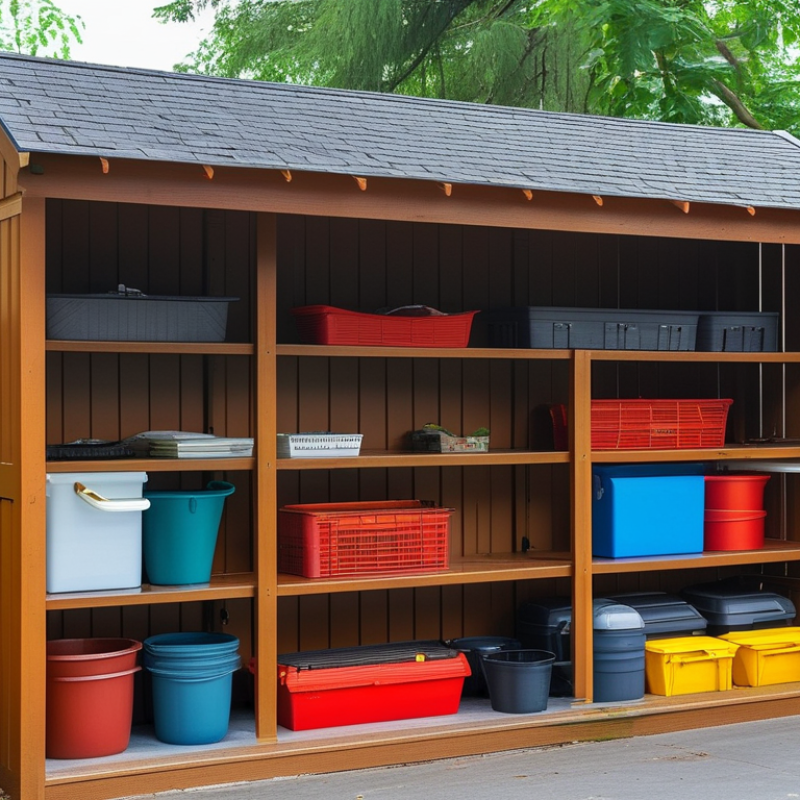
Maximizing space often involves clever organization. Shelves, hooks, and bins can transform a small area into a functional storage haven. Consider vertical space; it often goes unused. Utilize wall-mounted storage for items you access frequently. This approach keeps the floor area clear and makes it easier to find what you need.
Reflect on the future as well. Will you need more storage down the line? It's wise to plan for growth. A slightly larger shed might save you the trouble of buying another soon. Balance your current needs with potential ones to avoid frequent changes. This thoughtfulness can lead to a more satisfying outdoor setup.
User Reviews: Insights on Longevity and Maintenance of Plastic Sheds
User reviews on plastic storage sheds reveal valuable insights into their longevity and maintenance. Many users report that these sheds last for years with minimal upkeep. For instance, some owners have noted that regular cleaning and an occasional check for wear significantly extend their lifespan. This suggests that a simple maintenance routine can yield excellent results.
While plastic sheds are generally durable, some reviews highlight issues with UV degradation over time. In sunny regions, owners have noticed fading and brittleness. This is an important aspect to consider when choosing a location for your shed. Strategic placement, such as using shade from trees, can mitigate potential damage caused by harsh sunlight.
Additionally, users recommend anchoring plastic sheds securely to prevent movement during storms. Some have experienced shifting or tipping, which raises concerns about stability. This feedback emphasizes the need for proper installation and securing methods. Engaging with the community and reading various user experiences can provide deeper insights into ensuring your plastic storage shed remains functional and reliable.