What are the Benefits of WPC Flooring for Global Buyers?
WPC flooring has emerged as a popular option among global buyers. It combines wood and plastic, providing strength and versatility. This hybrid material is durable, resistant to moisture, and easy to maintain. For many homeowners and businesses, choosing WPC flooring can enhance the aesthetic appeal of their spaces.
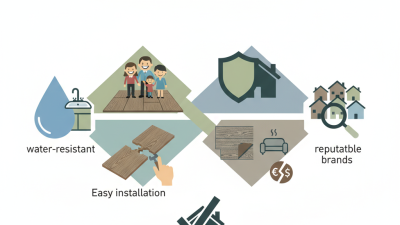
The benefits of WPC floor extend beyond mere appearance. Its durability makes it suitable for high-traffic areas. Buyers appreciate its ability to withstand wear and tear, reducing the need for frequent replacements. Additionally, the ease of installation and variety of designs available attract diverse customers.
However, it’s essential to consider the nuances of WPC flooring. Not all products are created equal. Some may not meet high environmental standards. Buyers should research brands thoroughly to ensure they are making a sustainable choice. In this evolving market, understanding the quality of WPC floor can lead to better purchasing decisions.
Advantages of WPC Flooring in Versatile Environments
WPC flooring, a blend of wood and plastic composites, is gaining traction across multiple environments. This material is lauded for its durability and versatility. Reports indicate that the global WPC flooring market is expected to grow significantly, projected to reach $1.3 billion by 2025. Its appeal lies in its ability to withstand moisture, making it ideal for areas like kitchens and bathrooms.
The aesthetic versatility of WPC flooring is another critical advantage. It can mimic the appearance of natural wood or stone without the upkeep hassles. A study by Grand View Research reveals that WPC flooring is favored in both residential and commercial settings, providing a stylish solution that doesn't compromise on performance. However, some users report challenges with scratching and denting, highlighting the need for careful maintenance.
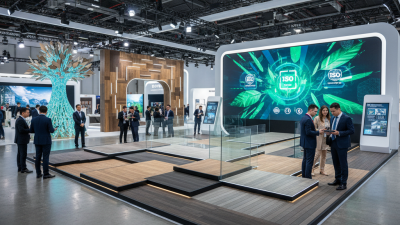
Environmental concerns are also important. WPC products often use recycled materials, contributing to sustainability. Yet, not all WPC flooring is created equal; variations in production processes can lead to inconsistencies in quality. Global buyers must research thoroughly to identify reputable manufacturers. Ultimately, WPC flooring presents a viable option, combining functionality with creative design possibilities, but awareness of quality is crucial.
Sustainable Aspects of WPC Flooring for Eco-Conscious Buyers
WPC flooring, or wood-plastic composite flooring, has gained traction among eco-conscious buyers. Its sustainable characteristics are appealing for those looking to minimize their environmental impact. Made from recycled wood and plastic, WPC flooring reduces waste by giving new life to these materials. This aligns perfectly with the global movement toward sustainability.
The production process of WPC flooring is less energy-intensive compared to traditional flooring options. This means lower carbon emissions, contributing positively to the environment. Additionally, WPC flooring is durable and water-resistant. It requires less maintenance and has a longer lifespan, which reduces the need for frequent replacements. However, it’s essential to research proper disposal methods for WPC products, as not all of them are biodegradable.
Buying WPC flooring can be a responsible choice. Understanding the material’s origin and its overall environmental footprint is vital. While many claim sustainability, transparency in source materials should guide purchasing decisions. Buyers should reflect on these factors before making a choice. This thoughtful approach can lead to a more sustainable future for everyone.
Cost-Effectiveness of WPC Flooring Compared to Traditional Options
WPC flooring, or wood-plastic composite flooring, offers a promising alternative to traditional flooring options. One of the most compelling aspects for global buyers is its cost-effectiveness. While hardwood and tile can be pricey, WPC provides a budget-friendly option without sacrificing aesthetics or performance. This flooring type is often easier to install, reducing labor costs associated with laying traditional products.
Another important factor is its durability. WPC flooring resists moisture, dents, and scratches better than many wood products. This durability means less frequent replacements and maintenance, translating to long-term savings. Homeowners and businesses alike can benefit from this resilience, leading to fewer worries and costs down the line.
However, potential buyers should consider the environmental impact of WPC materials. While the wood content can be sourced sustainably, the plastic component raises questions about recycling and disposal. Buyers must weigh these factors against the immediate financial benefits. It’s essential to analyze both the short-term savings and long-term consequences when deciding on flooring materials.
What are the Benefits of WPC Flooring for Global Buyers? - Cost-Effectiveness of WPC Flooring Compared to Traditional Options
| Feature |
WPC Flooring |
Traditional Flooring (Laminate/Wood) |
| Cost per Square Foot |
$2 - $7 |
$3 - $10 |
| Installation Cost |
$1 - $2 |
$2 - $5 |
| Lifespan |
25 - 30 years |
10 - 20 years |
| Water Resistance |
High |
Low to Moderate |
| Environmental Impact |
Low (Recyclable) |
Moderate (Wood sourcing) |
| Ease of Maintenance |
Easy (Regular cleaning) |
Requires sealing and care |
Durability and Maintenance Benefits of WPC Flooring Solutions
WPC flooring, or Wood Plastic Composite flooring, has gained traction due to its durability and low maintenance needs. This type of flooring is engineered to withstand wear and tear more effectively than traditional wood or laminate. The blend of wood fibers and plastic makes it resistant to moisture, making it ideal for kitchens and bathrooms. Buyers often appreciate its ability to maintain appearance over time, resisting fading and discoloration.
Maintaining WPC flooring is simple. Regular sweeping and occasional mopping with a gentle cleaner are usually sufficient. Unlike hardwood, there’s no need for refinishing or special treatments. Some may find it challenging to choose between styles, as there are numerous options available. Additionally, some may worry about the environmental impact of using plastic materials. Researching responsible sourcing can help address these concerns.
WPC flooring can be a practical choice for busy households. Its ability to resist scratching and denting means fewer worries about daily life impacts. However, potential buyers should consider their unique environments. While WPC is durable, extreme temperatures can affect its performance. Ensuring it suits your specific needs is crucial for long-term satisfaction.
Benefits of WPC Flooring for Global Buyers
Design Flexibility Offered by WPC Flooring for Aesthetic Preferences
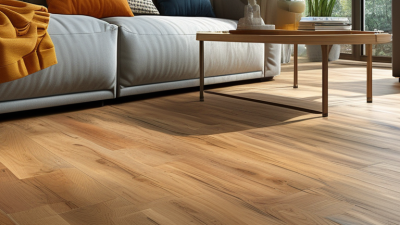
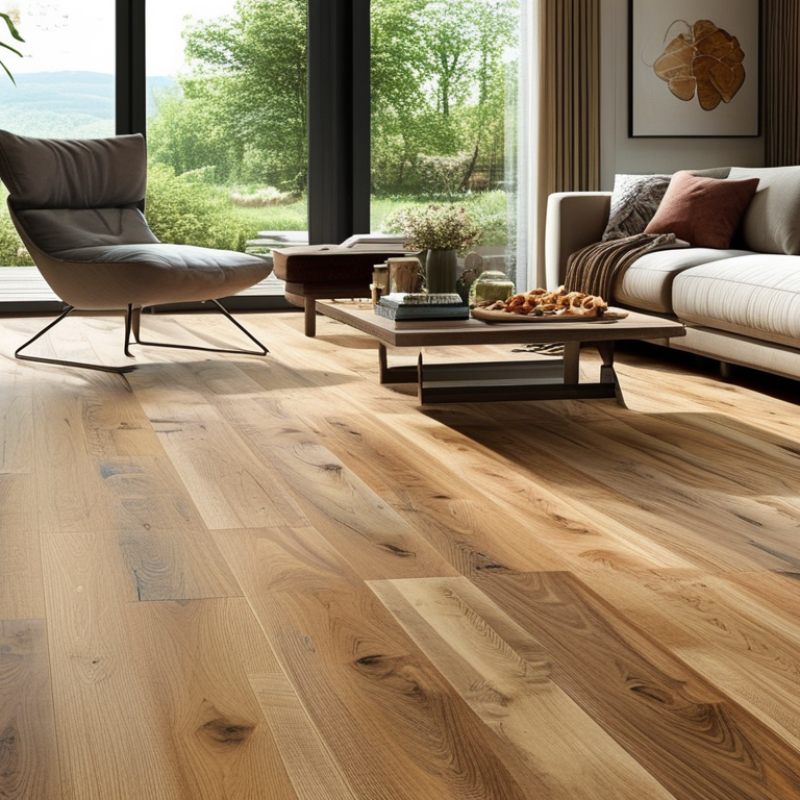
WPC flooring offers remarkable design flexibility, allowing users to achieve diverse aesthetic goals. Homeowners and interior designers appreciate this creative freedom. Whether you prefer a rustic look or a modern style, WPC can meet those needs effectively.
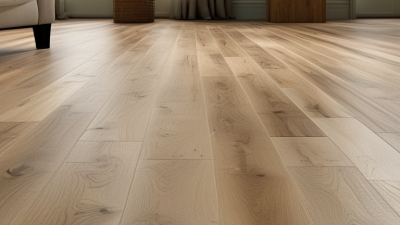
The material mimics natural wood or stone convincingly. It comes in various colors and textures, enabling innovative design solutions. A distressed finish can evoke a vintage charm, while a sleek surface provides a contemporary feel. Each choice influences the atmosphere of a space. Experimentation is encouraged, yet it can sometimes feel overwhelming.
WPC flooring can adapt to different tastes. Some styles may clash with existing decor. It's essential to consider how colors and patterns interact. Ultimately, this versatility is a powerful tool in design, but balancing these elements often requires careful thought and reflection.