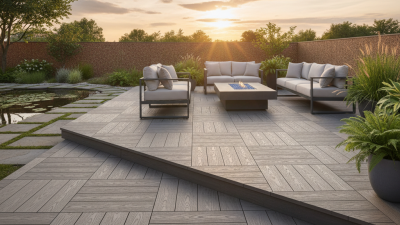
Top Benefits of Exterior WPC Wall Cladding for Your Project?
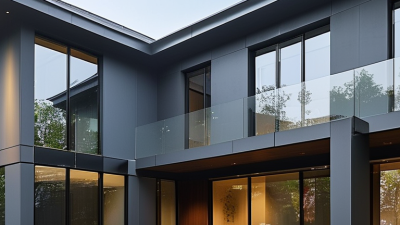
In the realm of exterior design, "Exterior WPC Wall Cladding" has emerged as a game-changer. Experts like John Smith, a leading authority in sustainable building materials, highlight its versatility. He states, "Exterior WPC Wall Cladding transforms the look of any building while offering durability." This insight underscores its growing popularity among architects and builders in modern projects.
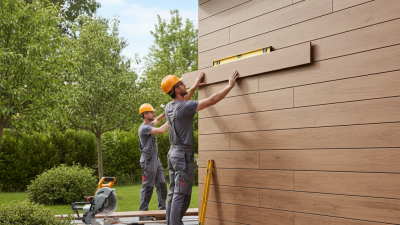
Exterior WPC Wall Cladding benefits are manifold. It combines aesthetics with functionality, creating a striking visual appeal. The material is lightweight yet robust, resisting weather conditions effectively. Builders appreciate its easy installation process, which can significantly cut labor costs. Additionally, the low maintenance requirement makes it an attractive option for many.
Yet, not all applications may be ideal for Exterior WPC Wall Cladding. For instance, certain climate conditions may pose challenges. It's essential to evaluate specific project needs before deciding. Balancing beauty and practicality is key in selecting the right materials for exterior design.
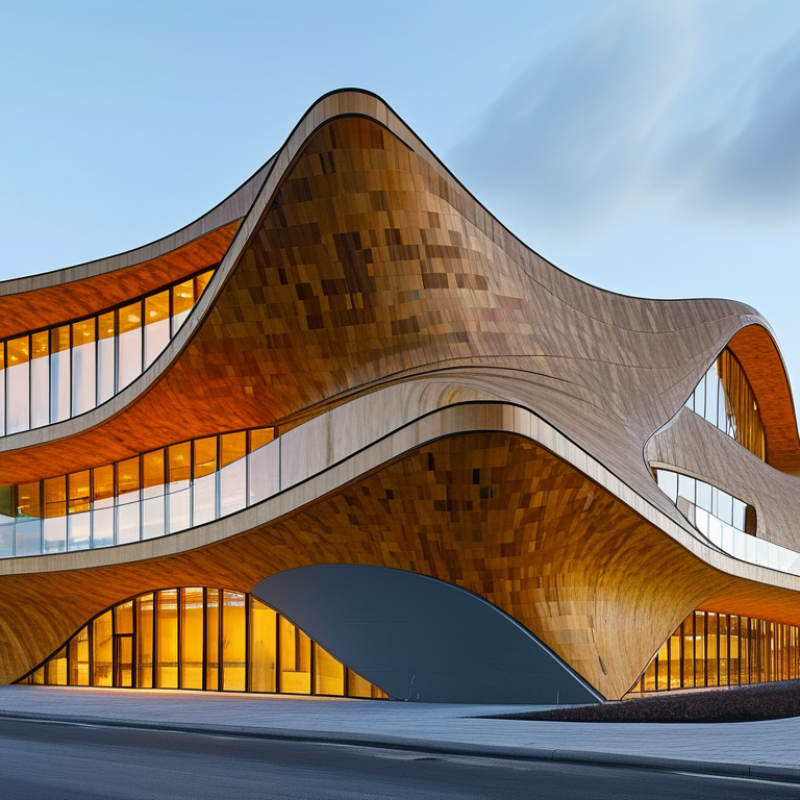
Advantages of Using WPC Wall Cladding for Exterior Applications
WPC wall cladding, made from wood-plastic composites, offers numerous advantages for exterior projects. One of its standout features is durability. Unlike traditional wood, WPC is resistant to rot, pests, and moisture. This means less maintenance over the years, saving both time and money. Additionally, it withstands harsh weather conditions, ensuring your investment lasts longer and maintains its appeal.
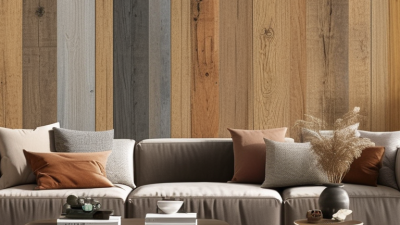
Another significant benefit is the aesthetic versatility of WPC wall cladding. It comes in various colors and finishes, allowing homeowners to achieve their desired look. This flexibility helps in creating a personalized exterior that complements the surrounding environment. However, it’s essential to choose a color that suits the overall architecture of your building.
While WPC is a robust choice, there are aspects worth considering. Some lower-quality options may fade over time or warp due to extreme heat. It’s crucial to research and consult with experts to select the best quality materials for your project.
When installing, ensure proper ventilation. This helps prevent moisture from building up behind the cladding, which can lead to mold growth. Proper installation can enhance the lifespan of your WPC wall cladding significantly.
Durability and Weather Resistance of Exterior WPC Wall Cladding
Exterior WPC (Wood Plastic Composite) wall cladding has gained popularity due to its impressive durability and weather resistance. Unlike traditional wood, which can warp, crack, or rot over time, WPC materials are engineered to endure harsh weather conditions. According to a 2022 industry report, WPC wall cladding has a lifespan of 25 years or more when properly maintained. This longevity is particularly appealing for projects in regions with extreme temperatures or significant rainfall.
WPC wall cladding is also resistant to fading and damage from UV exposure. A study conducted by the Composite Panel Association found that WPC materials can maintain their color and structural integrity even after years of exposure to sunlight. This makes them an optimal choice for exterior applications. The low maintenance requirements reduce costs and effort for property owners, but some might find the initial installation more complex compared to traditional materials.
Despite its advantages, using WPC wall cladding requires careful consideration. Proper installation is crucial for maximizing performance. Misalignment or poor sealing can lead to moisture infiltration, which undermines its weather-resistant properties. Additionally, some users report discrepancies in the material's texture and appearance. Thus, while WPC wall cladding offers substantial benefits, attention to detail during installation can make a significant difference in its effectiveness.
Aesthetic Appeal: Enhancing Your Project with WPC Wall Cladding
WPC wall cladding has gained popularity for its aesthetic appeal in exterior design. This composite material, made from wood and plastic fibers, provides a unique blend of natural beauty and durability. It mimics the warmth of wood while remaining resistant to moisture, insects, and decay. According to a recent industry report, WPC wall cladding can enhance property value by up to 20%, making it a smart investment for homeowners and developers alike.
Incorporating WPC wall cladding into your project adds a modern touch. Its variety of colors and textures allows for creative designs that can be customized to fit your vision. Unlike traditional materials, WPC does not require regular painting or sealing, reducing long-term maintenance. This can be a significant advantage for busy property owners. Moreover, the installation process is straightforward, often requiring less time compared to conventional cladding options.
When choosing WPC wall cladding, consider the climate of your project site. In areas with high UV exposure, look for products specifically designed to resist fading. Additionally, check for certifications that guarantee quality and sustainability. It’s essential to weigh the initial costs versus long-term benefits, as WPC may have a higher upfront cost but can lead to savings on maintenance over time.
Low Maintenance Requirements of WPC Wall Cladding Solutions
Low maintenance is a standout advantage of WPC wall cladding solutions. This composite material, made from wood fibers and recycled plastics, requires minimal upkeep. A recent report by the Global Composites Market reveals that WPC products only need cleaning with soap and water to maintain their appearance. Unlike traditional wood, which may warp and splinter, WPC resists these issues, providing a long-lasting finish.
Many homeowners and builders appreciate that WPC does not require frequent painting or sealing. Industry studies indicate that WPC wall cladding can last up to 30 years with proper care. This significantly reduces overall costs associated with maintenance and repairs. Moreover, its resistance to mold and mildew means less hassle in humid climates.
While WPC is designed for durability, it is essential to monitor for wear over time. Some users report minor fading after several years in direct sunlight. Acknowledging these limitations can help in planning for long-term aesthetics. Still, the benefits clearly outweigh the drawbacks, making WPC wall cladding an appealing option for modern construction.
Top Benefits of Exterior WPC Wall Cladding - Low Maintenance Requirements
Environmental Impact and Sustainability of WPC Wall Cladding Materials
WPC (Wood-Plastic Composite) wall cladding presents a sustainable option for exterior projects. It is made from recycled materials, significantly reducing waste. This aspect helps combat deforestation, allowing for a greener construction approach. WPC materials are durable and resistant to weather, lowering the need for replacements.
The environmental impact of WPC extends to its lifespan. It does not warp or crack easily, unlike natural wood. This longevity reduces resource depletion for future repairs or replacements. Moreover, WPC is often sourced from manufacturers that prioritize sustainable practices, ensuring minimal ecological disturbance.
When considering WPC cladding, think about the installation process. Proper installation is crucial for maximizing its lifespan. Items like adequate ventilation can prevent moisture buildup. Remember to check for certifications related to sustainability. This can help avoid materials that are not truly eco-friendly. Keep in mind that quality matters. A poor choice might lead to eventual degradation, countering your sustainability goals.