


Understanding WPC: The Benefits and Applications of Wood-Plastic Composites
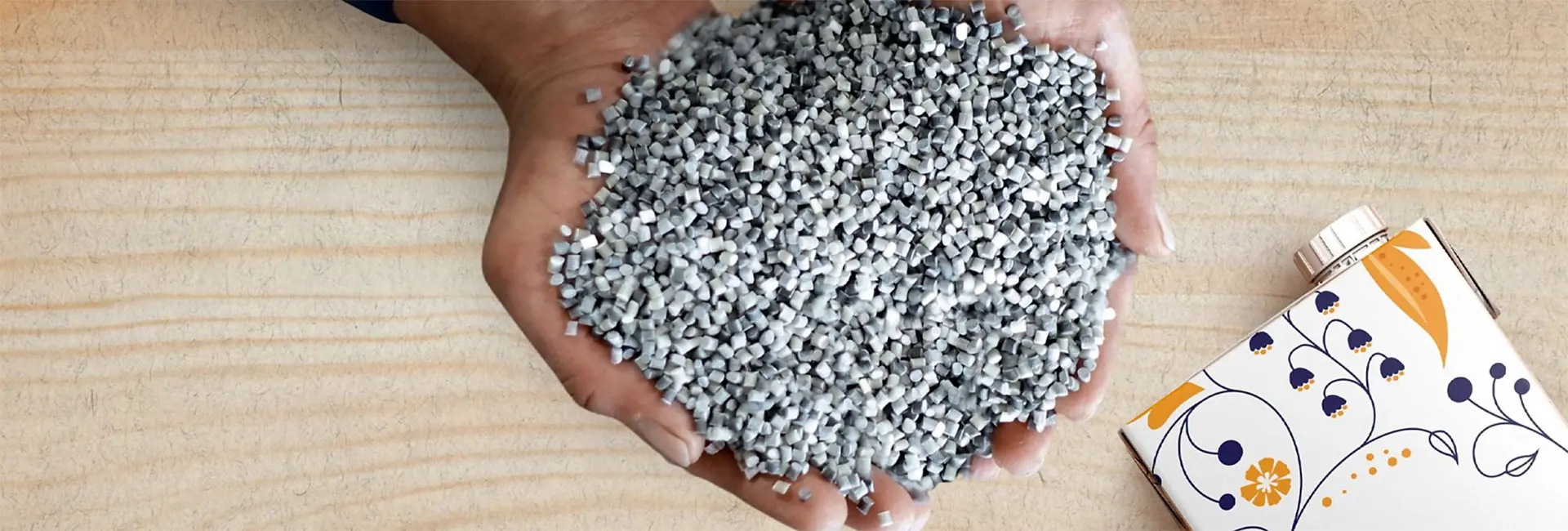
Elevate your daily routine with a selection that combines functionality and style. Each item is thoughtfully designed to enhance your experience, ensuring you enjoy both quality and aesthetic appeal in every moment. Find inspiration in a curated range that suits a variety of tastes and needs.In an era increasingly focused on sustainability and performance, innovative materials bridge the gap between traditional resources and modern needs. Wood-Plastic Composite (WPC) stands out as a prime example, revolutionizing industries from construction to automotive with its unique blend of natural and synthetic advantages. Essentially, WPC is a hybrid material manufactured by combining wood fibers or flour (sawdust, wood chips) with thermoplastics (like polyethylene, polypropylene, or PVC), along with additives for enhanced properties.
The Core Composition and Creation:
The magic of WPC lies in its composition, typically comprising 50-70% wood fiber and 30-50% plastic binder. This mixture is processed using methods like extrusion, injection molding, or compression molding. The wood fiber provides rigidity, a natural aesthetic, and dimensional stability, while the plastic matrix offers crucial resistance to moisture, decay, and insects. Additives such as coupling agents (improving wood-plastic bond), lubricants (aiding processing), colorants, UV stabilizers, and flame retardants are incorporated to tailor the final product's performance and appearance.
Why Choose WPC? Key Advantages:
WPC's popularity stems from a compelling set of benefits addressing significant limitations of pure wood and pure plastic:
-
Enhanced Durability & Low Maintenance: WPC excels in resisting rot, fungal decay, and insect infestation – common pitfalls of natural wood. It doesn't require regular staining, sealing, or painting. Simple cleaning with soap and water suffices.
-
Superior Moisture Resistance: Unlike wood, which swells, warps, and rots when wet, the plastic matrix in WPC significantly reduces water absorption, making it ideal for outdoor and high-moisture environments.
-
Dimensional Stability: WPC exhibits minimal expansion, contraction, or warping due to temperature and humidity changes compared to solid lumber, leading to more consistent performance over time.
-
Sustainability & Resource Efficiency: WPC utilizes recycled wood waste (sawdust, mill shavings) and often recycled plastics (like post-consumer HDPE), diverting materials from landfills. It reduces the demand for virgin timber, contributing to forest conservation.
-
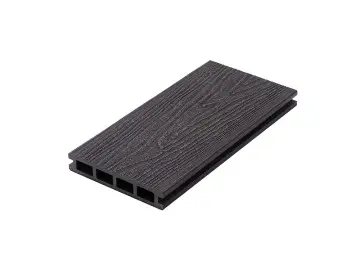
Design Flexibility & Aesthetics: Available in a wide array of colors, textures (including realistic wood grains), and profiles, WPC offers significant design freedom. It can be molded into complex shapes difficult to achieve with solid wood.
-
Cost-Effectiveness (Long-Term): While the initial material cost might be higher than pressure-treated lumber, the drastically reduced maintenance costs (no sealants, paints, replacements due to rot) make WPC highly cost-effective over its extended lifespan.
Where WPC Shines: Applications:
These properties make WPC exceptionally suitable for diverse applications:
-
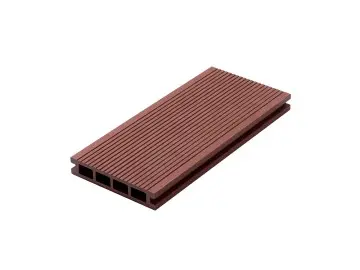
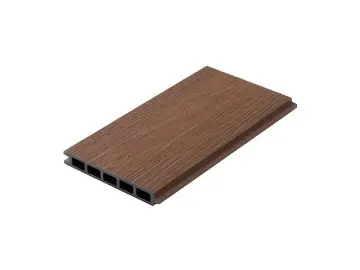
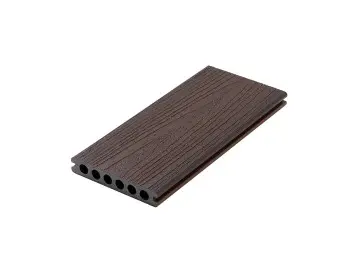
Decking & Railing: The dominant application. WPC decking offers the warmth of wood without the constant upkeep, lasting for decades.
-
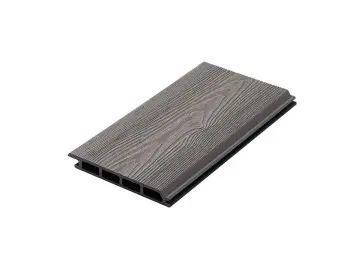
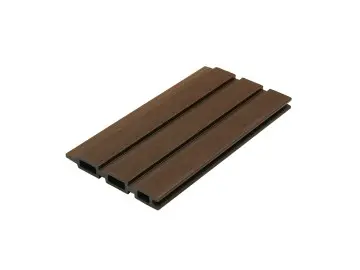
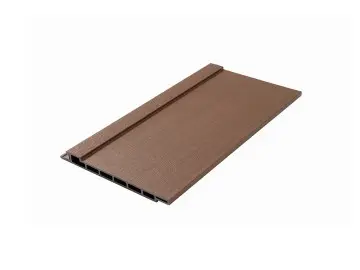
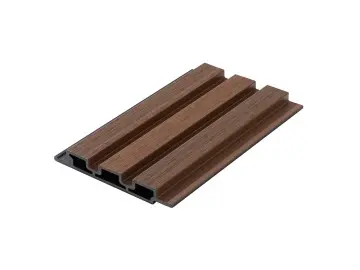
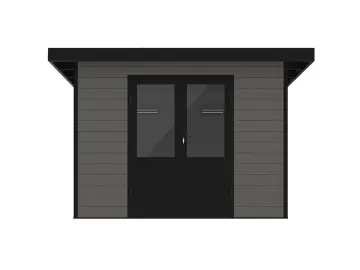
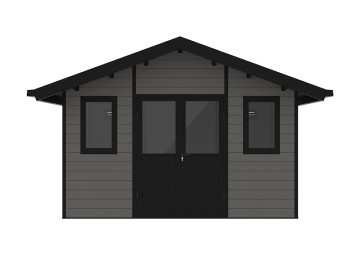
Cladding & Siding: Provides durable, attractive, and low-maintenance exterior facades for buildings.
-
Fencing & Gates: Resistant to weather and rot, offering long-lasting privacy and boundary solutions.
-
Outdoor Furniture: Benches, picnic tables, and chairs benefit from WPC's weather resistance and durability.
-
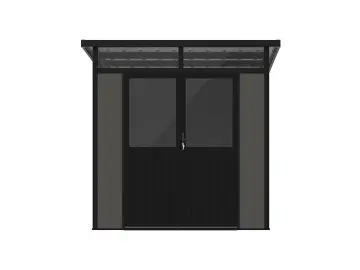
Landscaping & Garden Products: Used for planters, pergolas, edging, and trim.
-
Automotive Interiors: Door panels, trim components, and parcel shelves leverage its moldability and aesthetics.
-
Industrial Flooring & Pallets: Utilized where moisture resistance and durability are paramount.
Challenges and Considerations:
Despite its strengths, WPC isn't without limitations:
-
Temperature Sensitivity: Can become softer in extreme heat and more brittle in extreme cold.
-
Potential for Staining: While resistant, some substances can stain lighter-colored WPCs if not cleaned promptly.
-
Moisture Absorption (Some Types): Lower-quality WPCs or those with high wood content can still absorb some moisture, potentially leading to issues if not properly formulated.
-
Initial Cost: Higher upfront cost compared to some traditional materials (though offset by lifecycle savings).
-
Weight: Typically denser and heavier than natural wood.
The Future of WPC:
Research and development are continuously improving WPC technology. Focus areas include enhancing UV resistance for better color retention, increasing strength-to-weight ratios, improving fire performance, incorporating higher percentages of recycled content, and developing even more bio-based and biodegradable formulations. Nanotechnology and advanced coupling agents promise further performance leaps.
Conclusion:
Wood-Plastic Composite represents a significant advancement in material science, offering a practical and sustainable solution that successfully merges the desirable characteristics of wood and plastic. Its exceptional durability, minimal maintenance requirements, environmental benefits (through recycling), and aesthetic versatility have secured its place as a material of choice, particularly in outdoor construction. While ongoing development addresses its limitations, WPC's current capabilities already provide a robust, long-lasting, and eco-friendlier alternative to traditional materials, shaping the landscapes of our homes, gardens, and industries. As technology evolves, its applications and performance boundaries are likely to expand even further.