


WPC vs SPC: Warmth & Comfort Make WPC the Superior Choice for Flooring
Experience a wide range of unique offerings that enhance your lifestyle, featuring carefully selected items and innovative solutions tailored to meet your needs.
While Stone Plastic Composite (SPC) and Wood Plastic Composite (WPC) are both popular alternatives to traditional materials, WPC offers distinct advantages, particularly when warmth, comfort, and a natural feel are top priorities. Understanding where WPC shines helps make the best choice for your space.
Core Differences: The Foundation
-
SPC: Features an ultra-dense, rigid core primarily made of limestone powder (60-80%) and PVC. This creates exceptional hardness and stability.
-
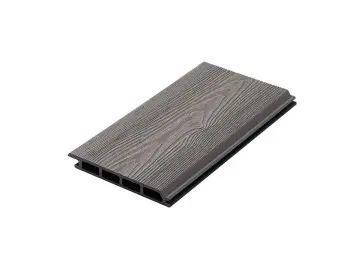
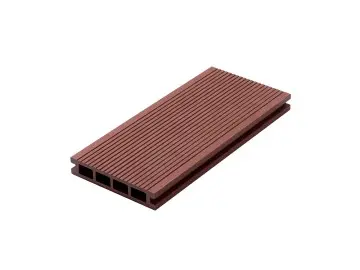
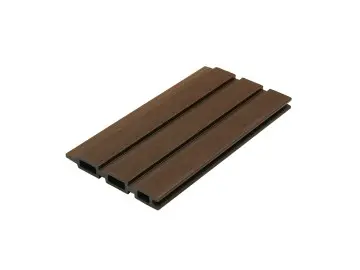
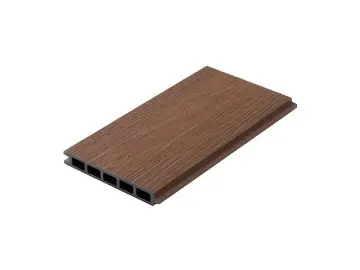
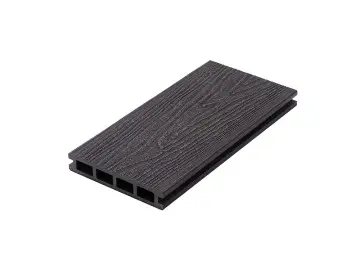
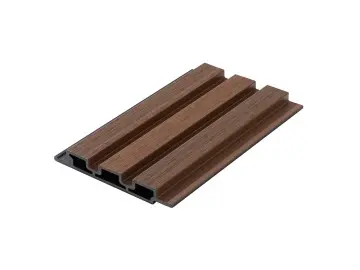
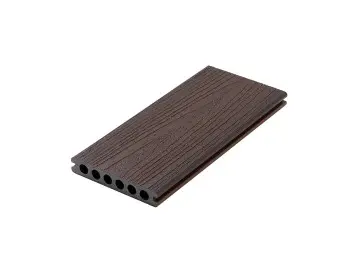
WPC: Has a lighter, resilient core composed of recycled wood fibers/flour blended with thermoplastics (like PE or PP) and additives. This wood content is key to its benefits.
WPC's Winning Advantages:
-
Superior Comfort & Warmth Underfoot: This is WPC's standout feature. Its wood-plastic blend creates a noticeably softer, warmer, and more forgiving surface than rigid SPC. Walking barefoot on WPC flooring or decking is far more pleasant, especially in cooler climates or seasons. SPC's stone-heavy core feels hard and can be uncomfortably cool.
-
Enhanced Cushioning and "Give": Related to comfort, WPC offers inherent cushioning. It has a slight compressibility that provides a more comfortable feel underfoot during prolonged standing and reduces fatigue. This resilience also makes it less likely to feel "harsh" or transmit impact noise as much as SPC.
-
More Forgiving Installation: Due to its inherent flexibility, WPC is generally more tolerant of minor subfloor imperfections than rigid SPC. Small dips or unevenness are less likely to telegraph through the finished surface, potentially simplifying installation prep.
-
Warmer Acoustic Properties: The structure of WPC tends to absorb sound better than dense SPC. This can result in a quieter environment with less hollow "clicking" noise from footsteps, particularly noticeable in multi-story buildings.
-
Authentic Wood-Like Feel & Aesthetics: Although both offer wood-look designs, WPC's core composition often allows for textures and surface finishes that feel closer to genuine wood underfoot and to the touch, enhancing the natural aesthetic experience.
Where SPC Excels (Briefly):
SPC undeniably wins in ultimate water resistance (truly impervious) and maximum dimensional stability under extreme temperature/humidity swings. It's also harder and more dent-resistant.
The Verdict: Choose WPC for Comfort-Centric Spaces
For living rooms, bedrooms, home offices, and covered outdoor decking – areas where you spend significant time relaxing, often barefoot – WPC's advantages are compelling. Its warmth, cushioning, softer feel, and quieter performance create a significantly more comfortable and inviting environment compared to the harder, cooler nature of SPC. While SPC rules in wet rooms and demanding commercial settings, when prioritizing comfort and a welcoming, warm ambiance underfoot, WPC is the superior composite choice. It masterfully blends practicality with the cozy feel of wood.