



Reinforced Wood–Plastic Composite Material
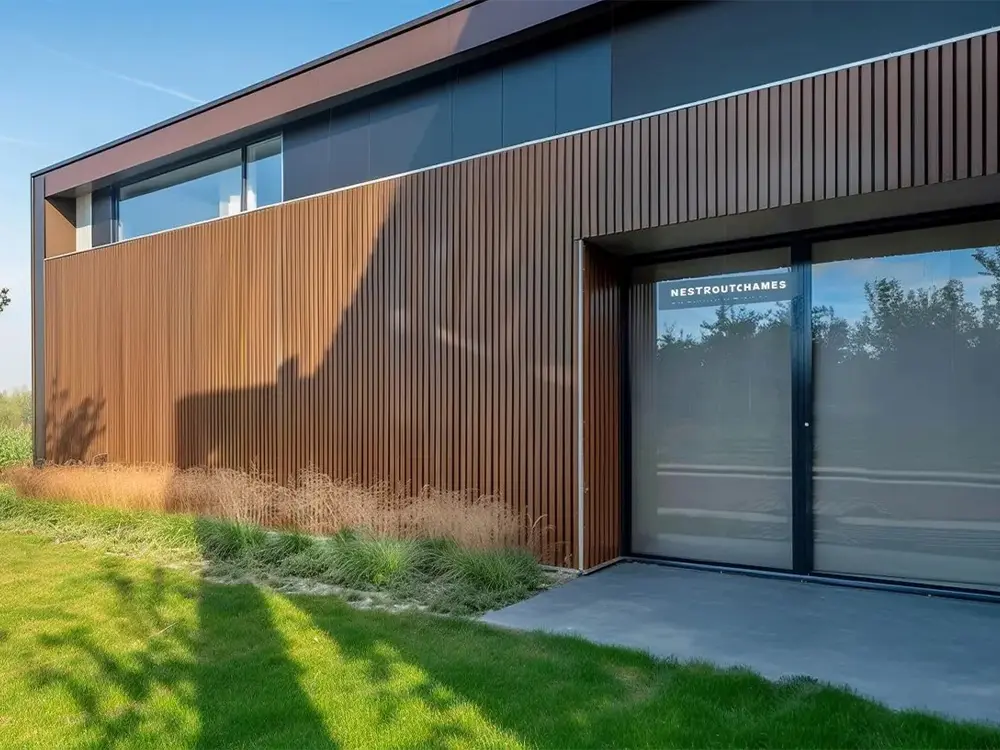
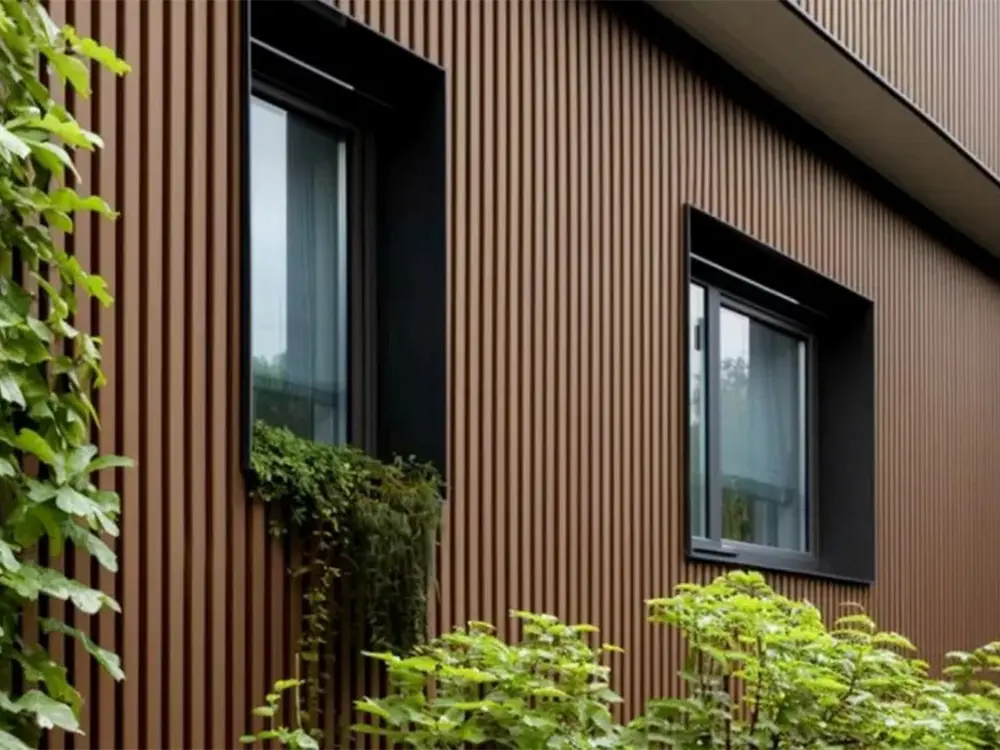
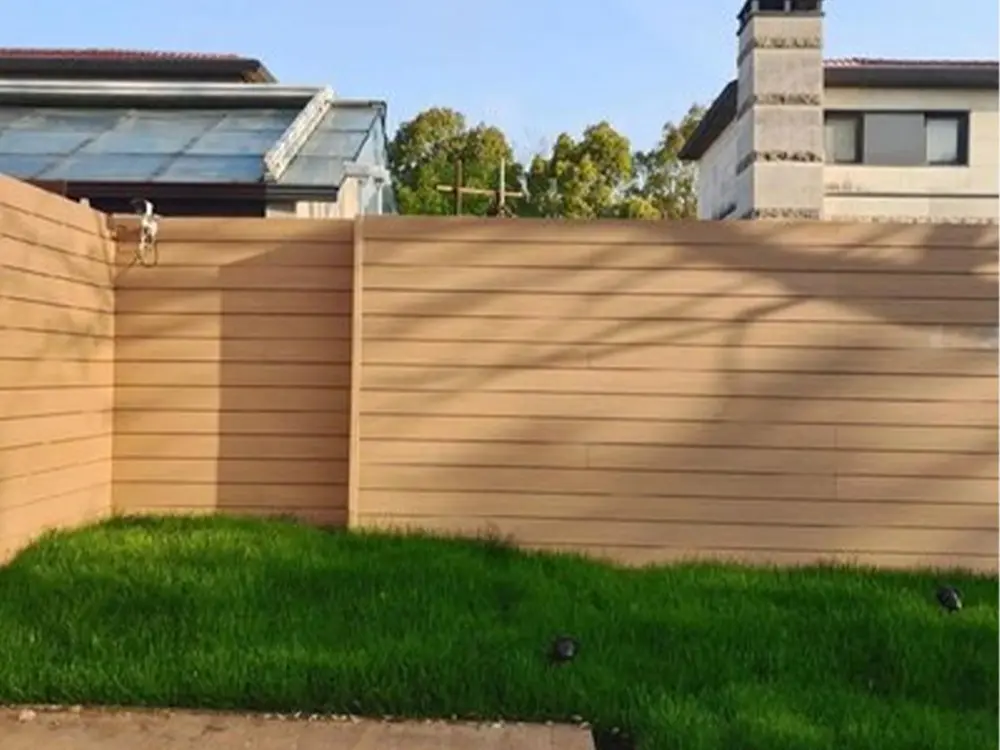
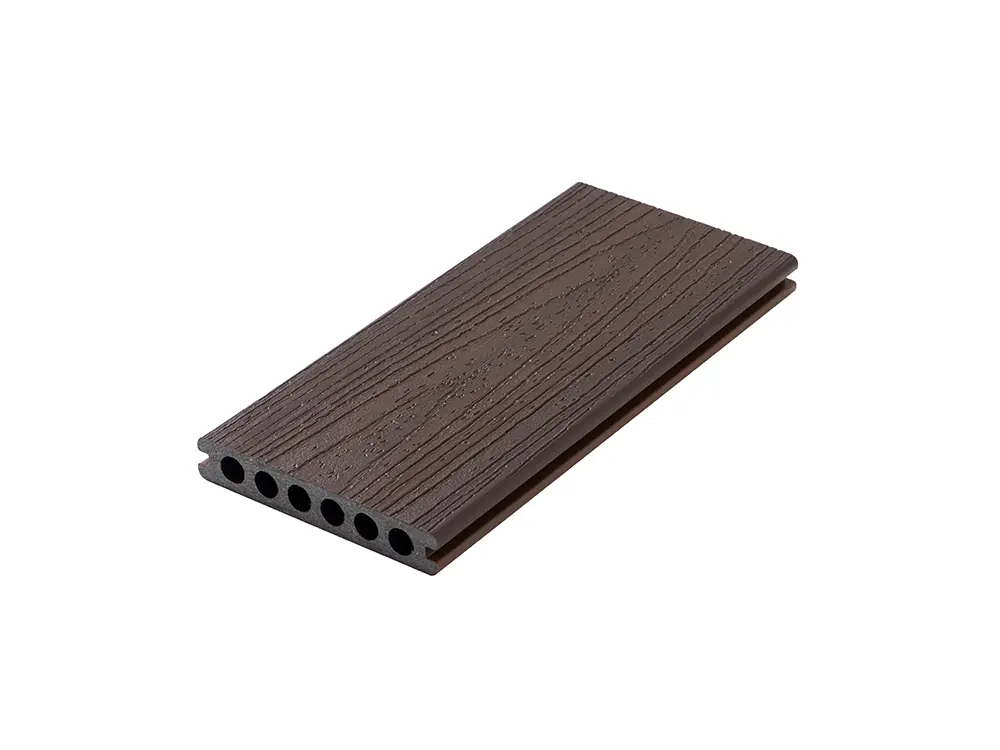
Wood–plastic composites (WPCs) are mainly manufactured from plant fibers such as wood flour and agricultural straw powder combined with plastics, using advanced processing technologies. The resulting products are recyclable and reusable. In recent years, with the increasing depletion of global resources and the growing awareness of environmental protection, wood–plastic composites have emerged as a new generation of green, eco-friendly, and clean composite materials. As an energy-saving and environmentally friendly alternative to traditional wood, WPCs have broad application prospects in the market.
However, the main components of wood-based materials—cellulose, hemicellulose, and lignin—contain a large number of polar hydroxyl and phenolic hydroxyl functional groups, resulting in strong chemical polarity on the surface of wood fibers. Therefore, in the development of wood fiber–plastic composite systems, the key challenge lies in achieving good interfacial compatibility and adhesion between the hydrophilic, polar wood fibers and the hydrophobic, non-polar plastic matrix. Only by enabling molecular-level integration between the surface layers of wood fibers and plastics can these two inherently different materials be effectively combined to form a new composite material with superior performance compared to the individual components. This issue has long been a major focus of research.
A newly developed long glass fiber–reinforced wood–plastic composite profile and its preparation method improve the mechanical properties of WPCs through the addition of long glass fibers. Although the incorporation of long glass fibers can enhance mechanical performance to some extent, the conventional surface treatment applied to the glass fibers is relatively simple and has limited effectiveness in improving the interfacial compatibility and adhesion between hydrophilic wood fibers and hydrophobic thermoplastic matrices during WPC fabrication. Moreover, long glass fibers mainly provide longitudinal reinforcement, resulting in anisotropic properties and a tendency toward longitudinal fracture.
A high-strength glass fiber–reinforced wood–plastic composite profile is produced using the following raw materials by weight proportion:
40–65 parts of flake waste plastics;
50–75 parts of 40–120 mesh wood flour, sawdust, and/or shavings;
15–25 parts of 40–120 mesh bran powder;
8–15 parts of 3–6 mm alkali-free and/or medium-alkali glass fibers;
6–10 parts of maleic anhydride grafted polyethylene;
3–4 parts of a coupling agent;
4–10 parts of zinc stearate and/or polyethylene wax;
0.5–1 part of UV-531;
0.5–1 part of AT-168.
The coupling agent is selected from one or more of silane coupling agents, aluminate coupling agents, or titanate coupling agents, and the amount of maleic anhydride grafted polyethylene is equal to that of the coupling agent. This formulation fundamentally addresses problems found in conventional WPC preparation, such as poor interfacial compatibility and adhesion between hydrophilic wood fibers and hydrophobic thermoplastic matrices, as well as unidirectional performance enhancement.
In this technology, glass fibers treated with a coupling-agent mixed solution are added as reinforcing agents, resulting in unexpectedly significant performance improvements in WPC profiles. The interfacial compatibility and bonding strength between wood fibers and plastics are greatly enhanced, allowing glass fibers to be uniformly distributed and to reinforce the composite in multiple directions. This leads to isotropic mechanical properties and a substantial improvement in overall mechanical performance.
The coupling agent not only introduces polar functional groups into the matrix but also forms chemical bonds with the glass fibers, further improving wettability and intermolecular interactions at the interface, thereby increasing interfacial bonding strength. After surface treatment with the coupling-agent mixed solution, chemical bonds and active functional groups are generated on the glass fiber surface, enabling stronger chemical bonding between the resin and glass fibers and achieving more effective interfacial adhesion. This enhances the mutual impregnation and coupling effects between the glass fibers and the reinforced matrix.
During the mixing process, glass fibers disperse into multiple glass fiber rods. Friction between these rods and wood particles generates a large number of fine wood fiber microfilaments. These microfilaments intertwine with the glass fiber rods to form a hollow three-dimensional network structure. Wood particles and high-density polyethylene fill the voids within this structure, maximizing the reinforcing effect of the glass fibers and demonstrating the synergistic effect of composite materials. This significantly improves material dispersion, interfacial compatibility, and bonding between wood fibers and the plastic matrix, ultimately resulting in a remarkable enhancement of the mechanical properties of wood–plastic composite profiles.