



New Opportunities for Wood-Plastic Development in the Field of Building Energy Efficiency
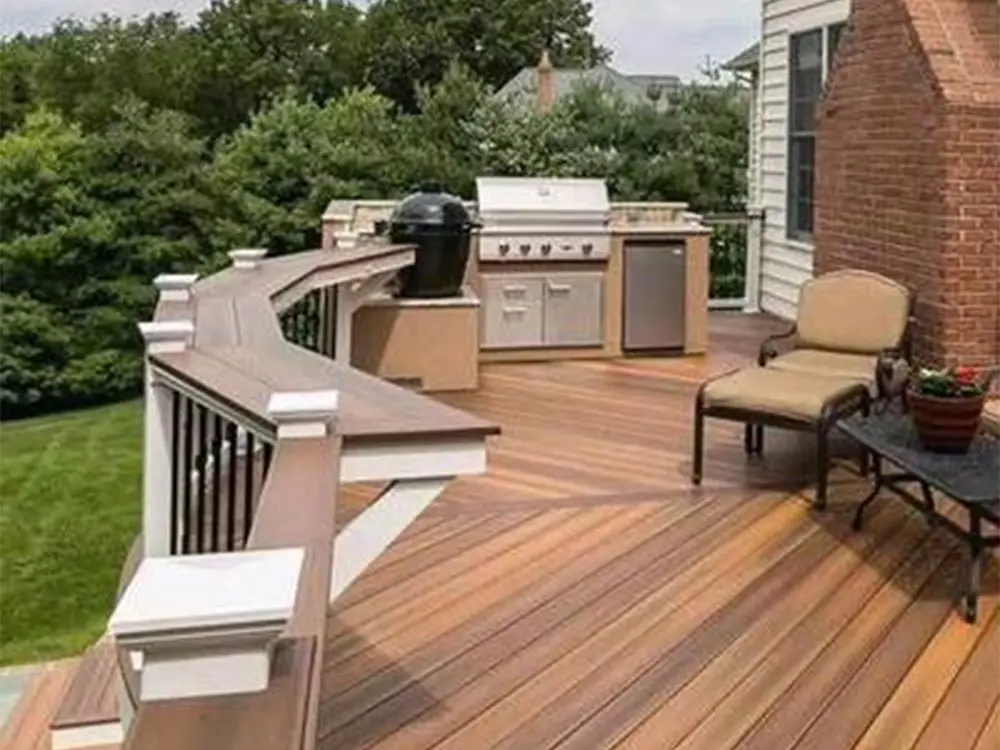
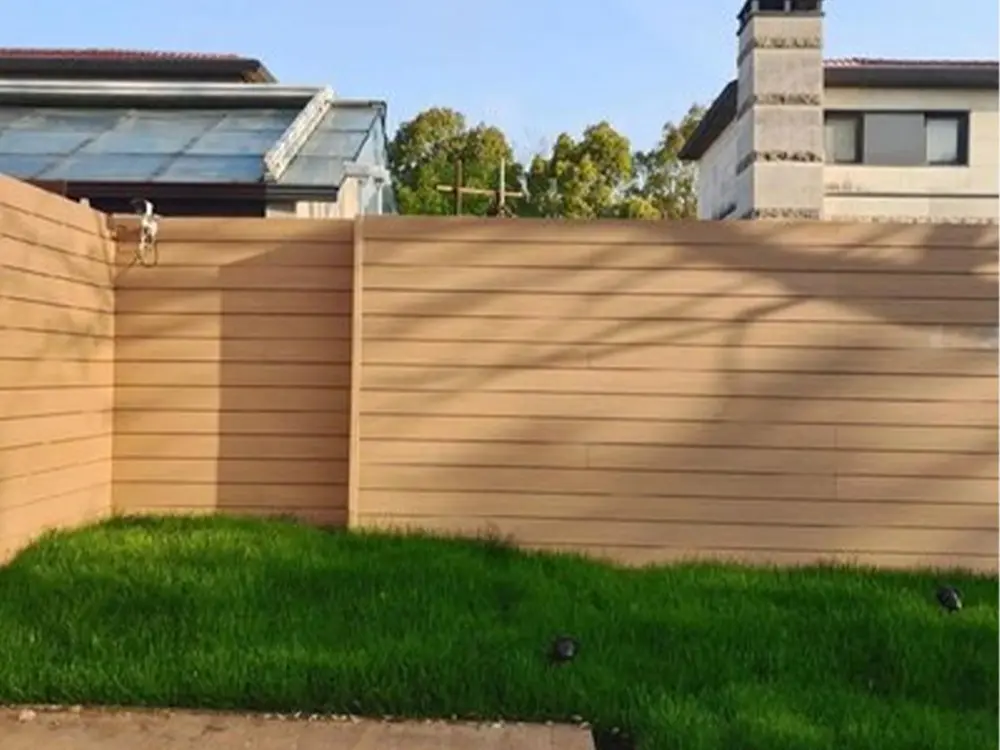
Wood-plastic composites (WPCs) have a wide range of applications, including building materials, furniture, logistics packaging, landscape architecture, and automotive interiors. As consumers increasingly demand environmentally friendly, aesthetically pleasing, and durable products, the use of WPCs in these sectors continues to expand.
In recent years, China’s wood-plastic materials industry has experienced steady market growth. Against the global backdrop of promoting green, low-carbon, and sustainable development, WPCs — as an eco-friendly material — are expected to see even broader applications. In 2023, China’s WPC market reached 4.45 million tons, with an output value of approximately 28 billion RMB. In 2024, the market scale exceeded 4.65 million tons, with an output value of around 31 billion RMB.
According to product form, Chinese WPC products are mainly divided into boards, profiles, and special-shaped materials, among which profiles account for about 22%, and biomass polymer phase-change energy storage composite WPCs make up around 11% of the profile segment.
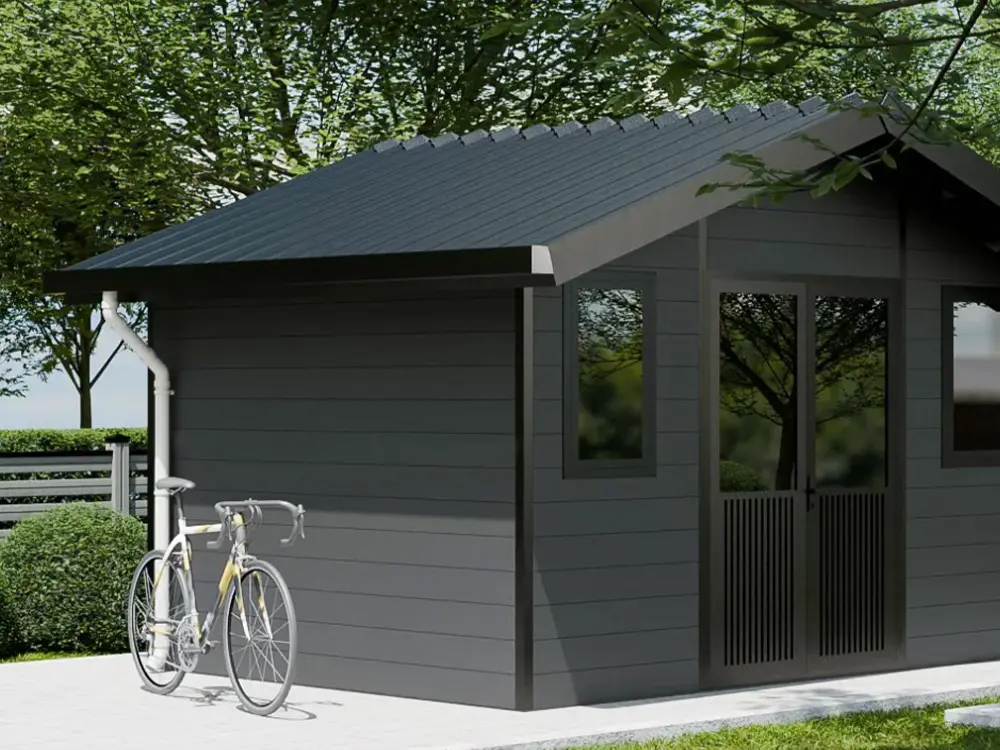
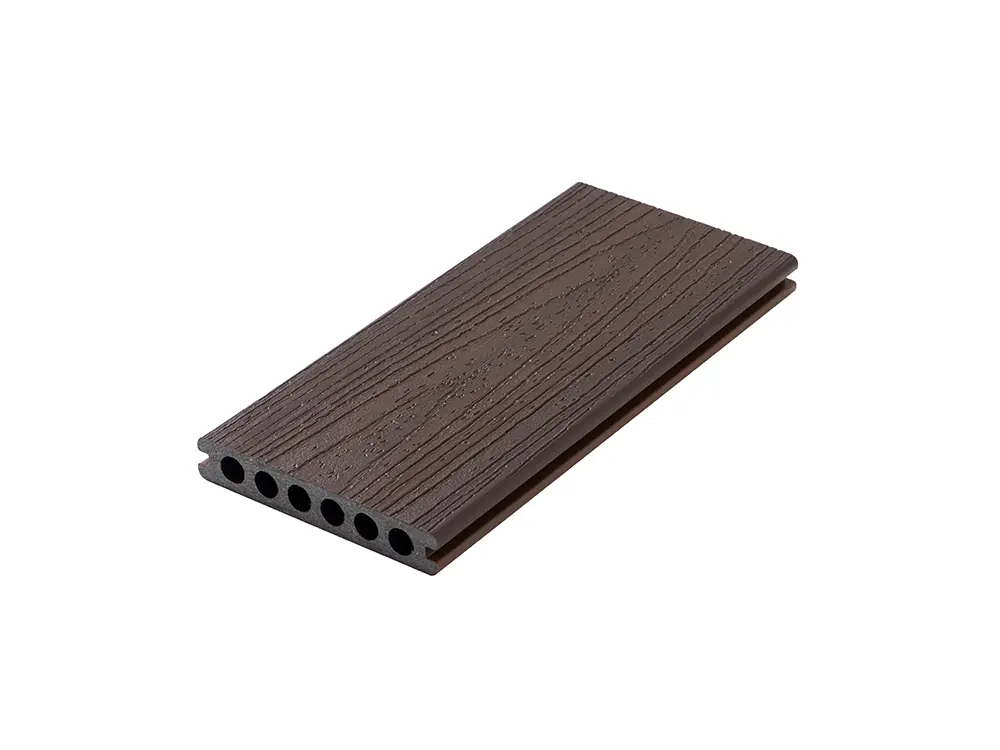
Profile-type WPCs include wood-plastic door and window frames, railings, and joists. These products have specific cross-sectional shapes and dimensions, meeting diverse architectural and decorative needs while offering high strength and stability.
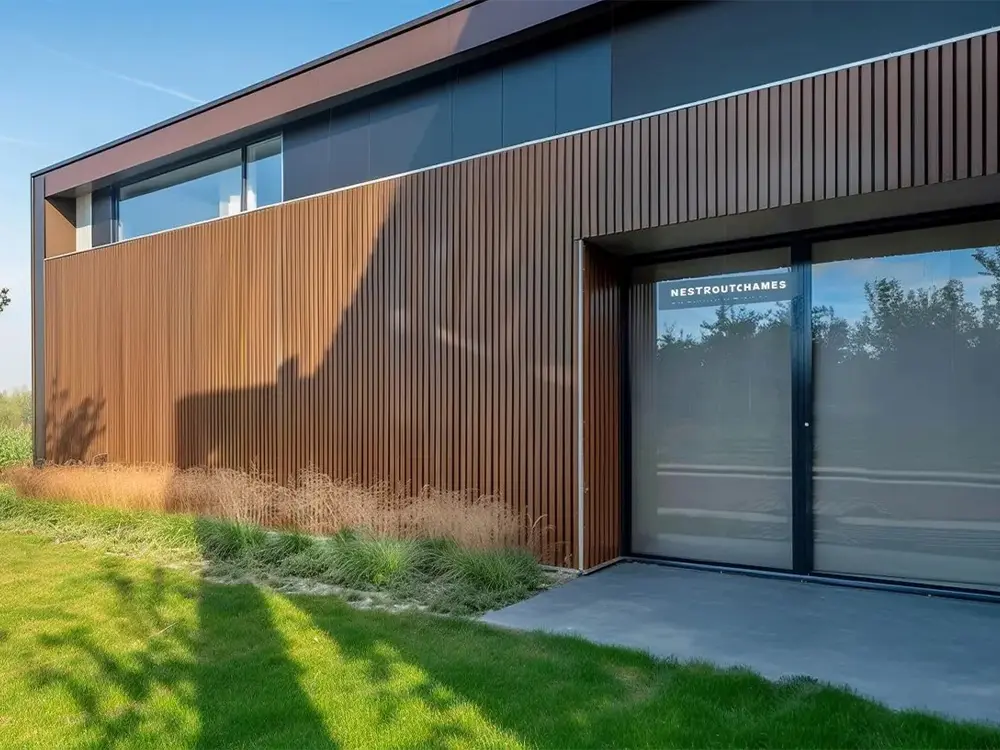
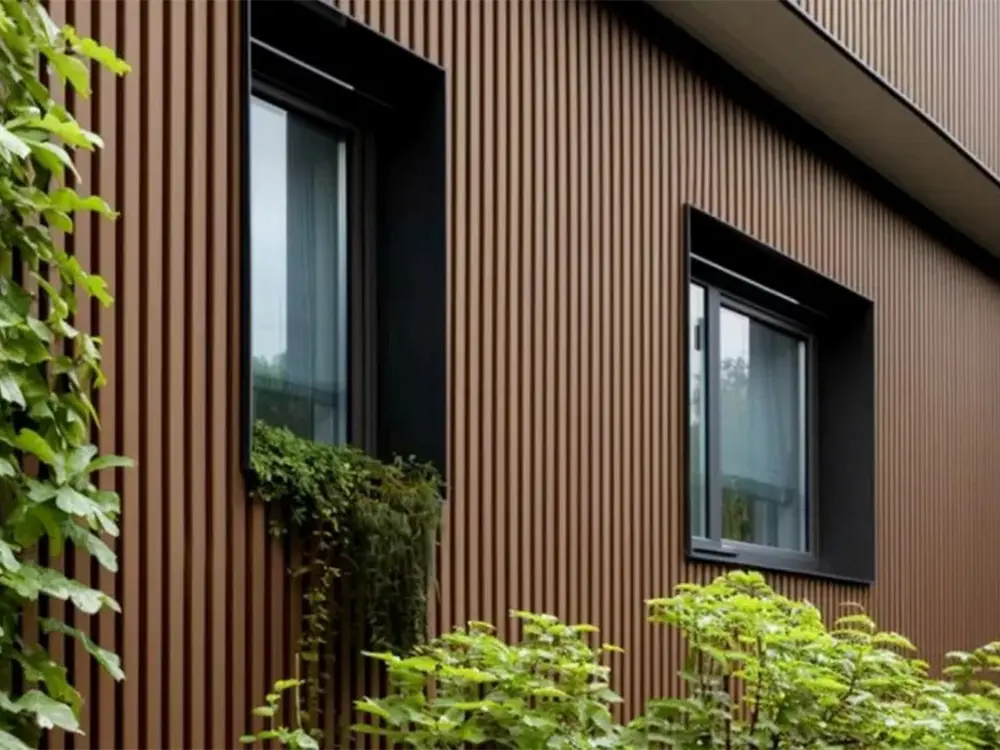
As competition intensifies in traditional WPC markets such as landscape and garden applications — and given the industry’s high dependence on foreign markets — Chinese manufacturers have begun adjusting their product structures. They are integrating new technologies and developing functional WPC materials. In recent years, as one of the most notable natural biomass composites, WPCs have seen expanding applications in the building materials sector. In the green building materials field, such as thermal insulation wall panels and decorative wallboards, the market share of WPCs has shown steady growth.
Phase-change energy storage composite WPC profiles can significantly enhance a building’s heat storage capacity — absorbing heat during the day and releasing it at night. This helps balance geographical and temporal differences between energy supply and demand, reduces indoor temperature fluctuations, and represents one of the most effective energy-saving methods available today. These materials feature high heat capacity, excellent thermal stability, and low cost, reducing energy consumption from heating and air conditioning. As a result, phase-change energy storage composite WPC profiles are considered a revolutionary energy conversion material and represent a cutting-edge direction in WPC research.
In recent years, energy storage composite WPCs have gradually evolved from concept to practical application. According to incomplete statistics, the market penetration rate of biomass polymer phase-change energy storage composite WPCs in China reached about 3% in 2024.
In recent years, China has also shifted its energy production and consumption structures toward clean energy. With national policy support, the integration of phase-change thermal storage functionality has endowed WPCs with new features and application areas. From the perspective of building materials, combining WPCs with phase-change energy storage materials not only enhances their ability to reduce building energy consumption but also improves energy utilization efficiency. This development is further promoting the green and energy-efficient transformation of building materials.