






How Wood-Plastic Composites Reduce Carbon Footprints
In recent years, the construction and manufacturing industries have been under increasing pressure to adopt sustainable practices. One innovative solution that has emerged is the use of wood-plastic composites (WPCs). These materials, which combine wood fibers with plastic, offer a range of environmental benefits, particularly in reducing carbon footprints. This article explores how wood-plastic composites contribute to sustainability and the reduction of greenhouse gas emissions.
Understanding Wood-Plastic Composites
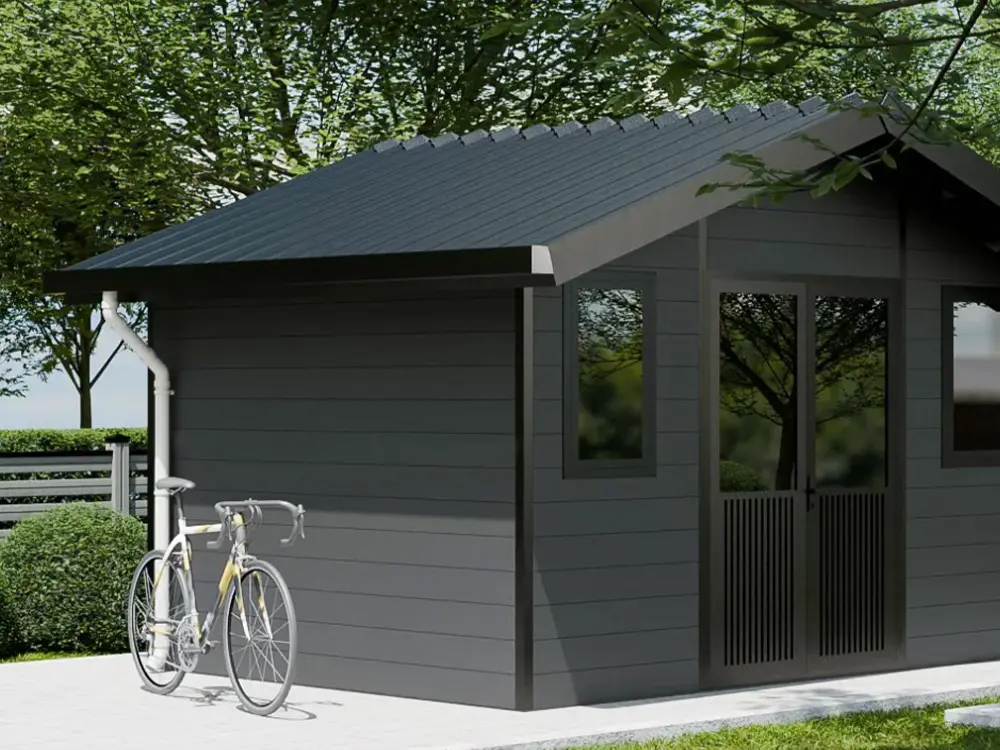
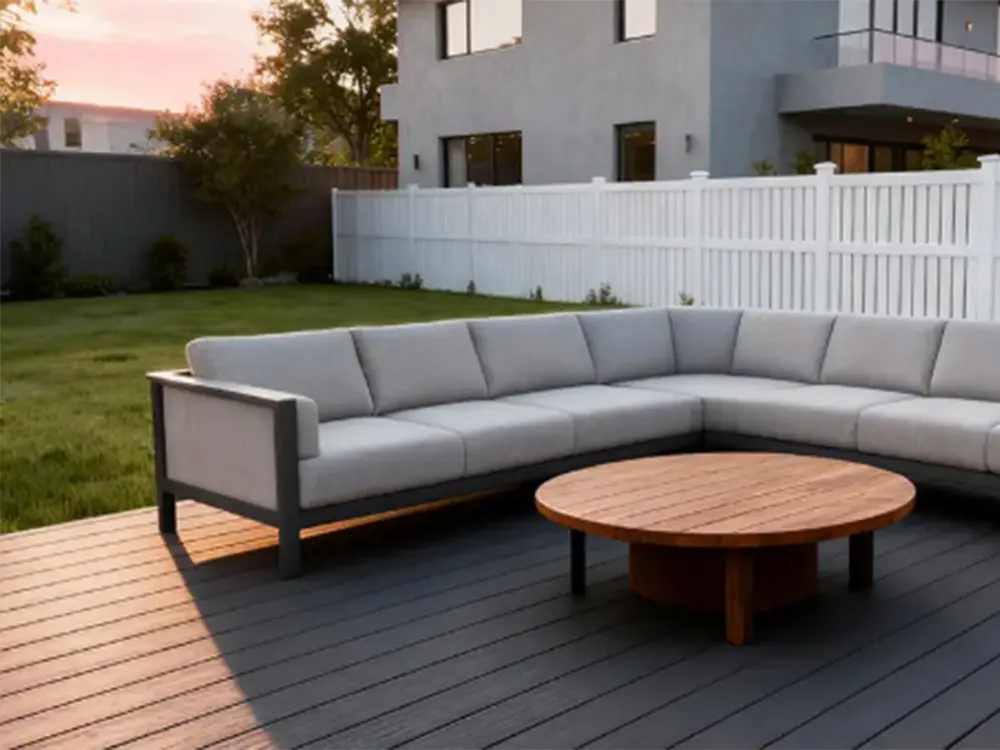
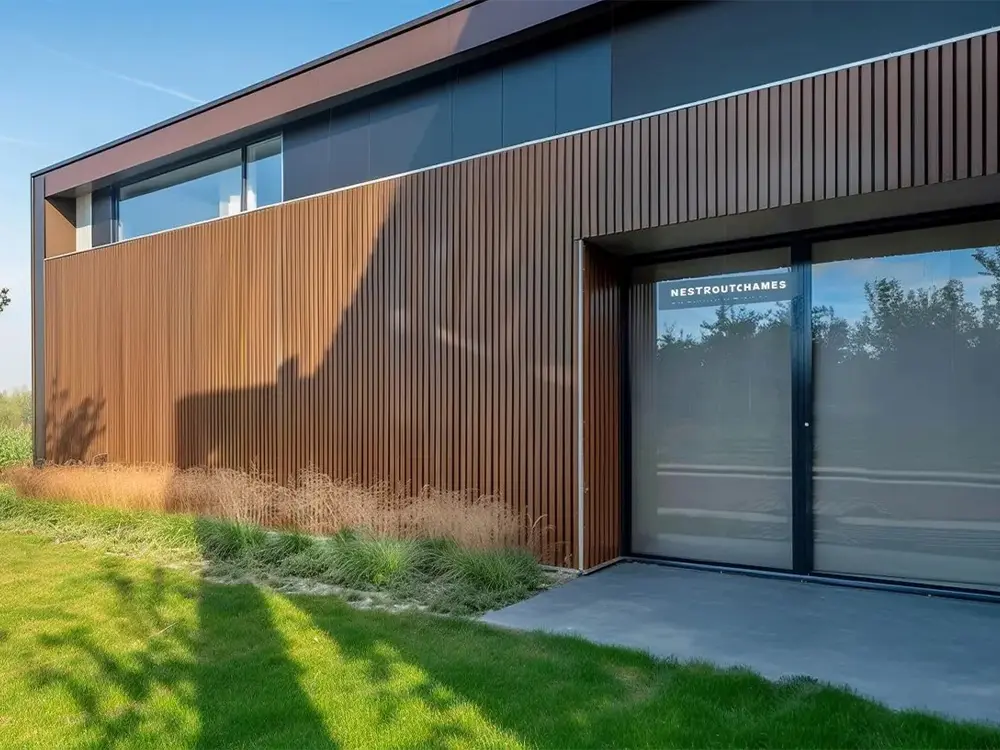
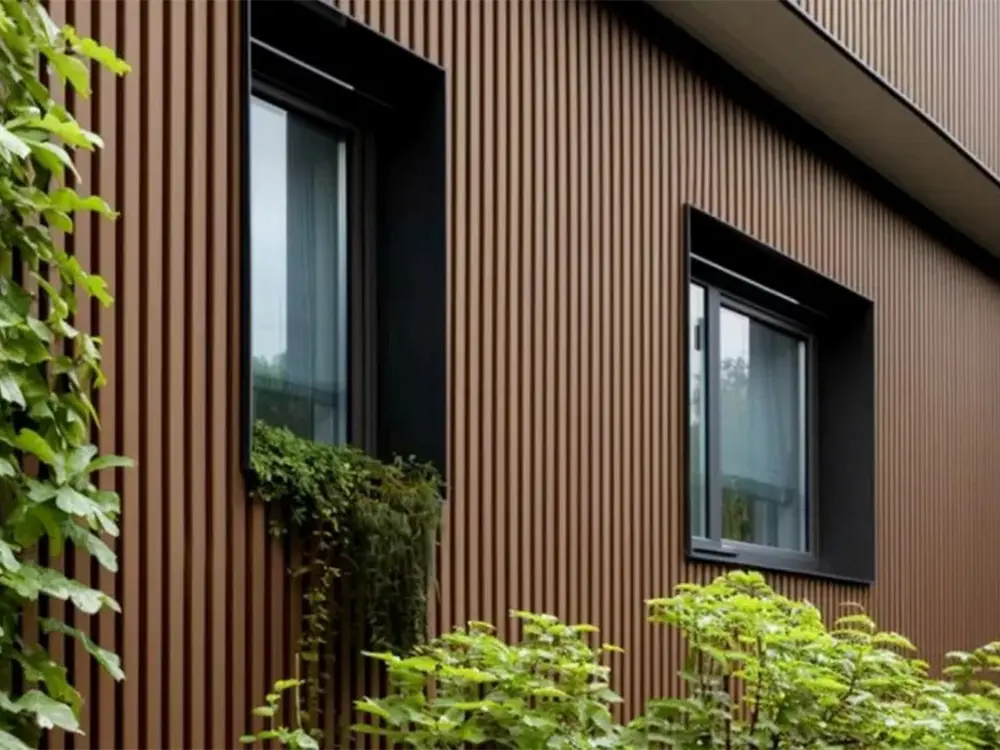
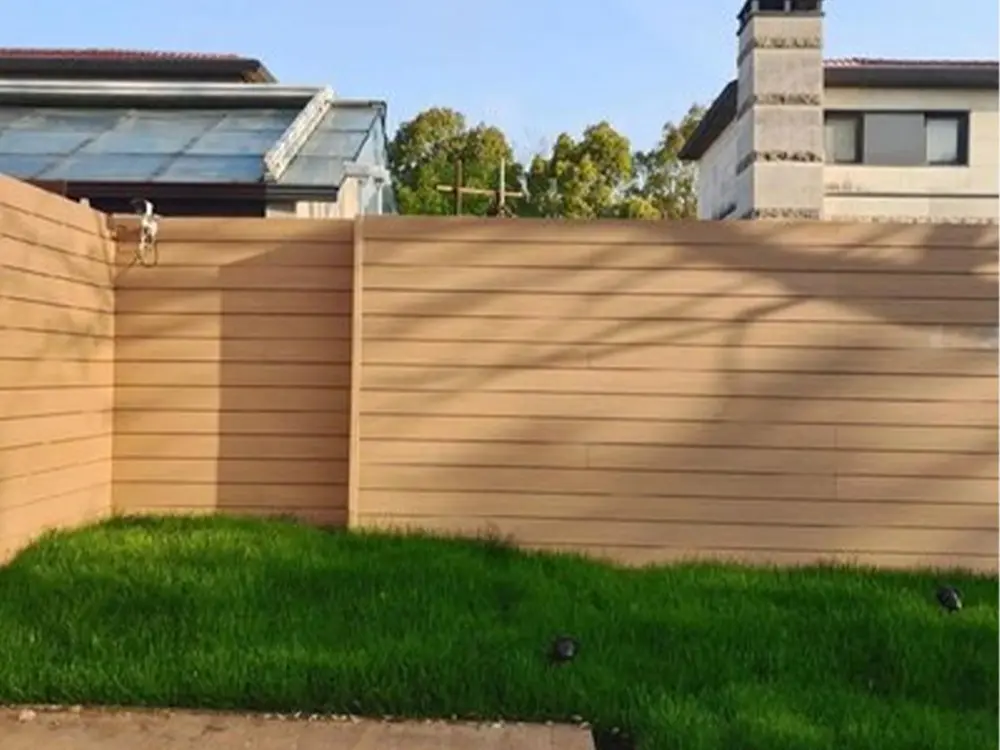
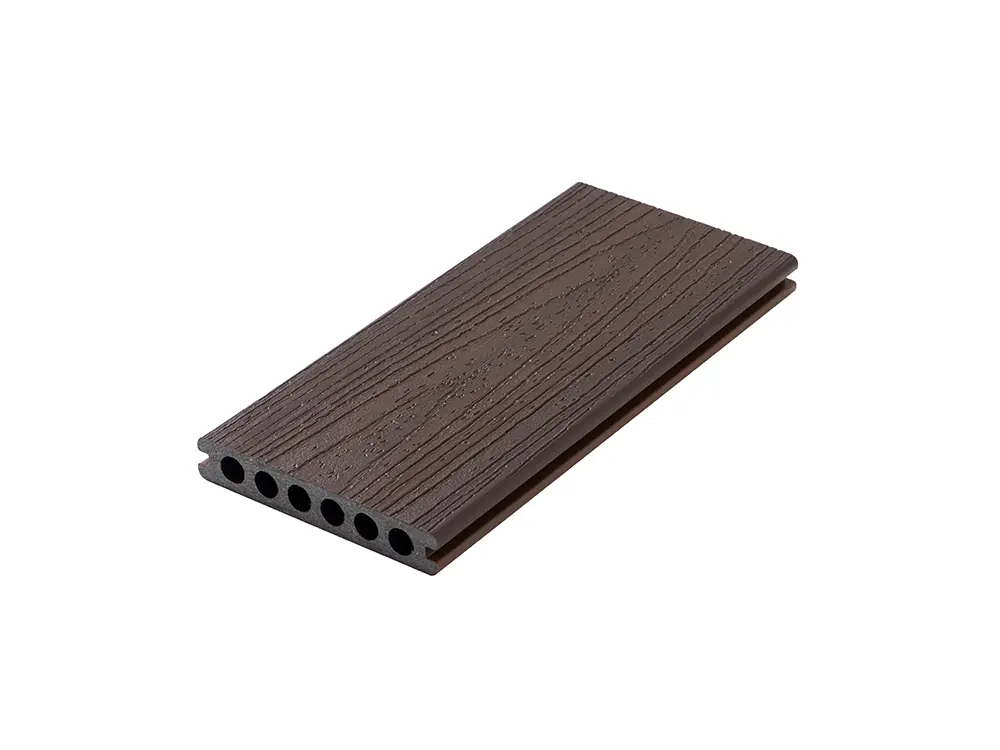
Wood-plastic composites are engineered materials made from a blend of wood fibers or wood flour and thermoplastics, such as polyethylene, polypropylene, or polyvinyl chloride (PVC). The combination of these materials results in a product that retains the aesthetic appeal of wood while providing the durability and low maintenance of plastic. WPCs are commonly used in various applications, including decking, fencing, furniture, and automotive components.

The Environmental Impact of Traditional Materials
Traditional building materials, such as solid wood, concrete, and metal, have significant environmental impacts. The extraction and processing of these materials often involve high energy consumption and greenhouse gas emissions. For instance, the logging of trees for lumber contributes to deforestation, habitat loss, and increased carbon dioxide levels in the atmosphere. Similarly, the production of concrete and steel is energy-intensive and generates substantial carbon emissions.
In contrast, wood-plastic composites offer a more sustainable alternative. By utilizing recycled plastics and wood by-products, WPCs can significantly reduce the demand for virgin materials and minimize waste.
Carbon Footprint Reduction through WPCs
1. Utilization of Recycled Materials
One of the most significant ways wood-plastic composites reduce carbon footprints is through the use of recycled materials. Many WPCs incorporate post-consumer plastics, such as discarded bottles and containers, which would otherwise end up in landfills. By repurposing these materials, WPCs help divert waste from landfills and reduce the need for new plastic production, which is a major source of greenhouse gas emissions.
Additionally, the wood fibers used in WPCs often come from sawmill scraps or other wood waste, further minimizing the environmental impact associated with logging and deforestation. This closed-loop system not only conserves resources but also reduces the overall carbon footprint of the material.
2. Lower Energy Consumption in Production
The manufacturing process for wood-plastic composites typically requires less energy compared to traditional building materials. The production of concrete and steel involves high-temperature processes that consume vast amounts of energy, often derived from fossil fuels. In contrast, the production of WPCs can be achieved at lower temperatures and with less energy input.
Moreover, the use of recycled materials in WPC production further reduces energy consumption. Recycling plastics and wood waste requires significantly less energy than producing new materials from raw resources. This energy efficiency translates into lower carbon emissions during the manufacturing phase.
3. Longevity and Durability
Wood-plastic composites are known for their durability and resistance to weathering, rot, and insect damage. Unlike traditional wood, which may require regular maintenance and replacement, WPCs can last for decades with minimal upkeep. This longevity means that fewer resources are needed for repairs and replacements over time, further reducing the overall carbon footprint associated with the lifecycle of the material.
Additionally, the durability of WPCs makes them an attractive option for outdoor applications, such as decking and fencing, where traditional wood may deteriorate quickly. By choosing WPCs, consumers can reduce the frequency of material replacement, leading to lower emissions associated with production and transportation.

4. Carbon Sequestration
While wood-plastic composites do contain plastic, the wood fibers within them still play a crucial role in carbon sequestration. Trees absorb carbon dioxide from the atmosphere as they grow, storing carbon in their biomass. When wood is used in WPCs, a portion of this stored carbon remains locked within the material for the duration of its life cycle.
Although the plastic component of WPCs does not sequester carbon, the overall carbon footprint of the composite is still lower than that of traditional materials. By using WPCs, we can effectively utilize the carbon stored in wood while minimizing the emissions associated with plastic production.
5. Reduced Transportation Emissions
The production of wood-plastic composites can often take place closer to the point of use, reducing transportation distances and associated emissions. Traditional building materials, such as concrete and steel, are often sourced from distant locations, leading to increased fuel consumption and greenhouse gas emissions during transport.
By utilizing local resources, such as recycled plastics and wood waste, WPC manufacturers can minimize transportation emissions. This localized production not only supports regional economies but also contributes to a lower carbon footprint for the final product.
Conclusion
Wood-plastic composites represent a promising solution for reducing carbon footprints in the construction and manufacturing industries. By utilizing recycled materials, consuming less energy during production, and offering durability and longevity, WPCs provide a sustainable alternative to traditional building materials. As the demand for environmentally friendly products continues to grow, the adoption of wood-plastic composites can play a significant role in mitigating climate change and promoting a more sustainable future.
Incorporating WPCs into building practices not only benefits the environment but also aligns with the increasing consumer preference for sustainable products. As awareness of climate change and environmental issues rises, the shift towards materials like wood-plastic composites will be essential in creating a more sustainable and eco-friendly world. By choosing WPCs, we can take meaningful steps toward reducing our carbon footprints and preserving the planet for future generations.