



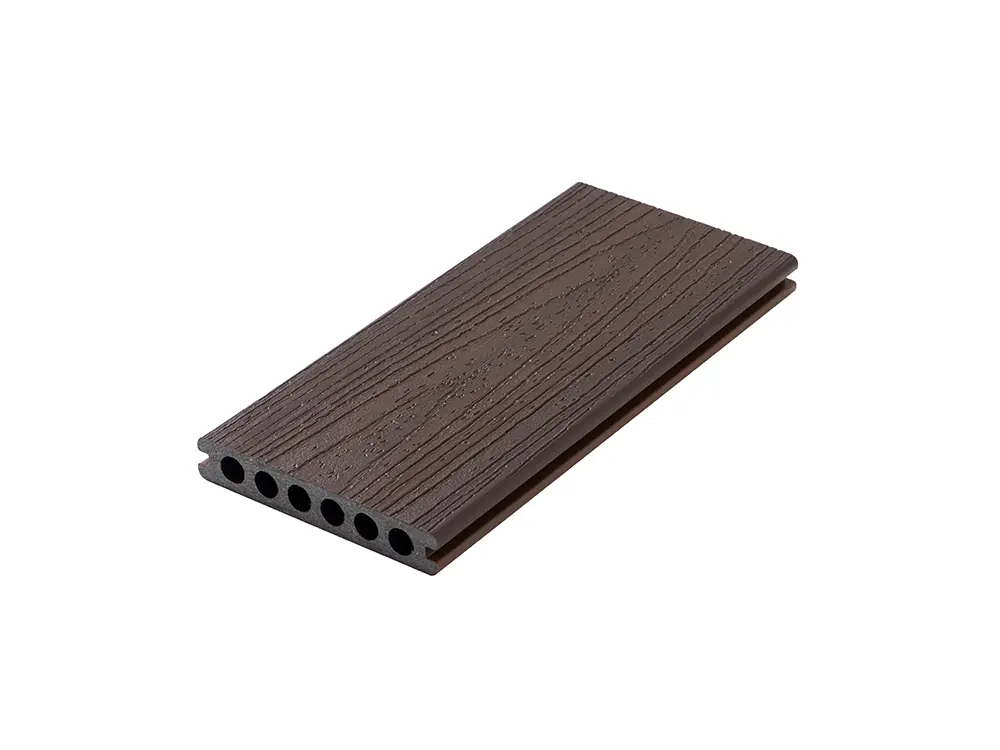
Development Directions for Anti-Aging Wood–Plastic Composite Materials
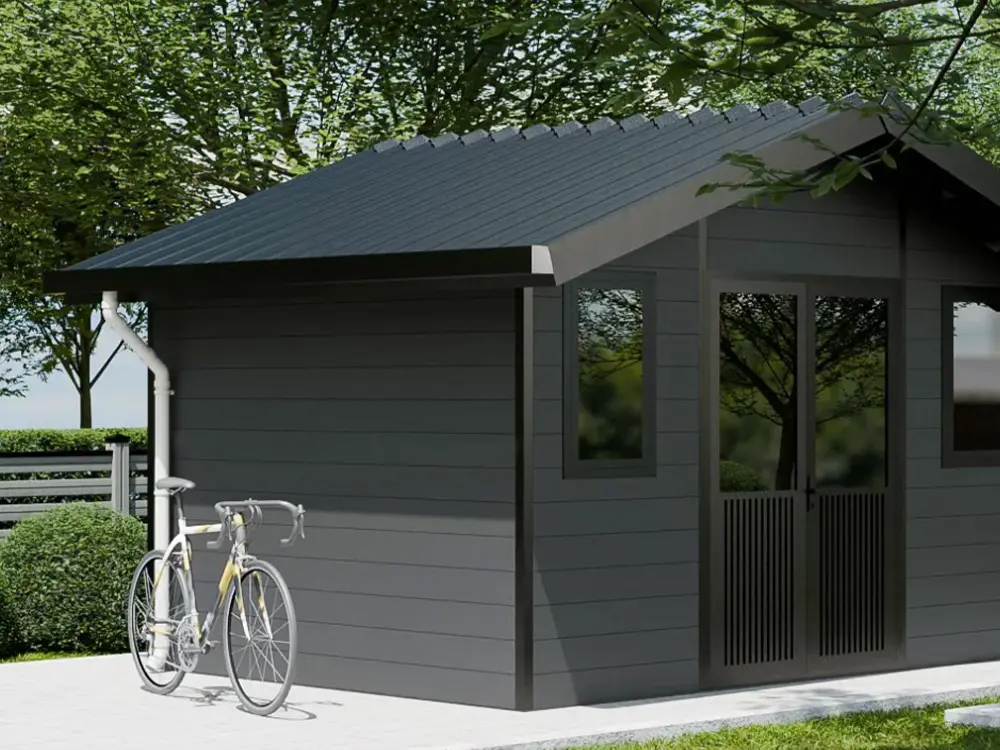
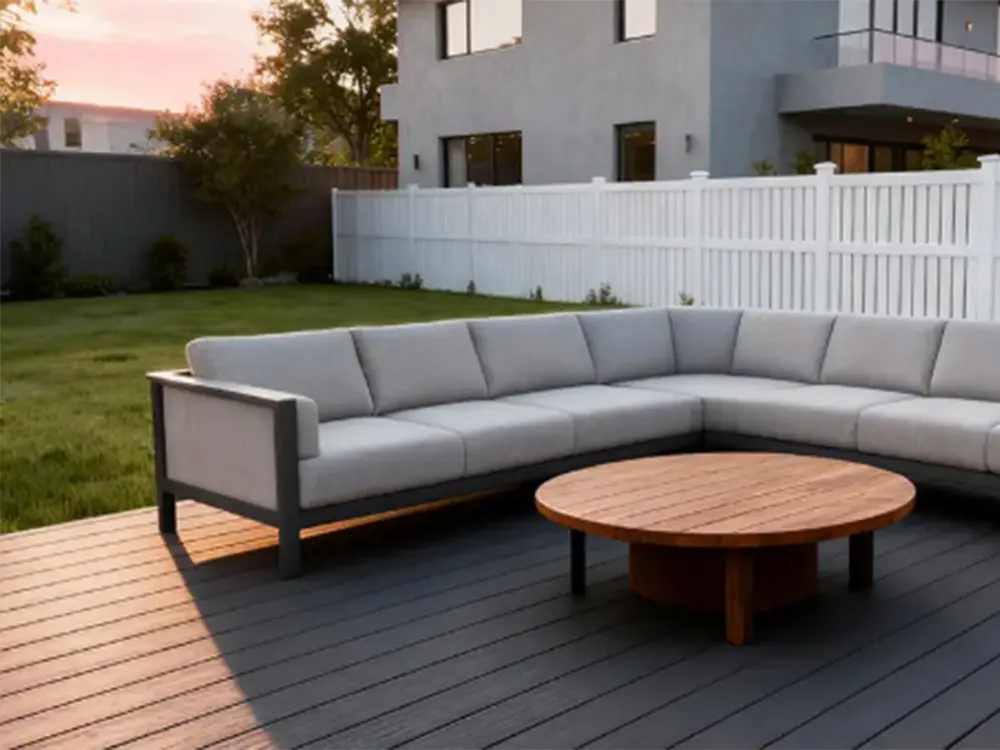
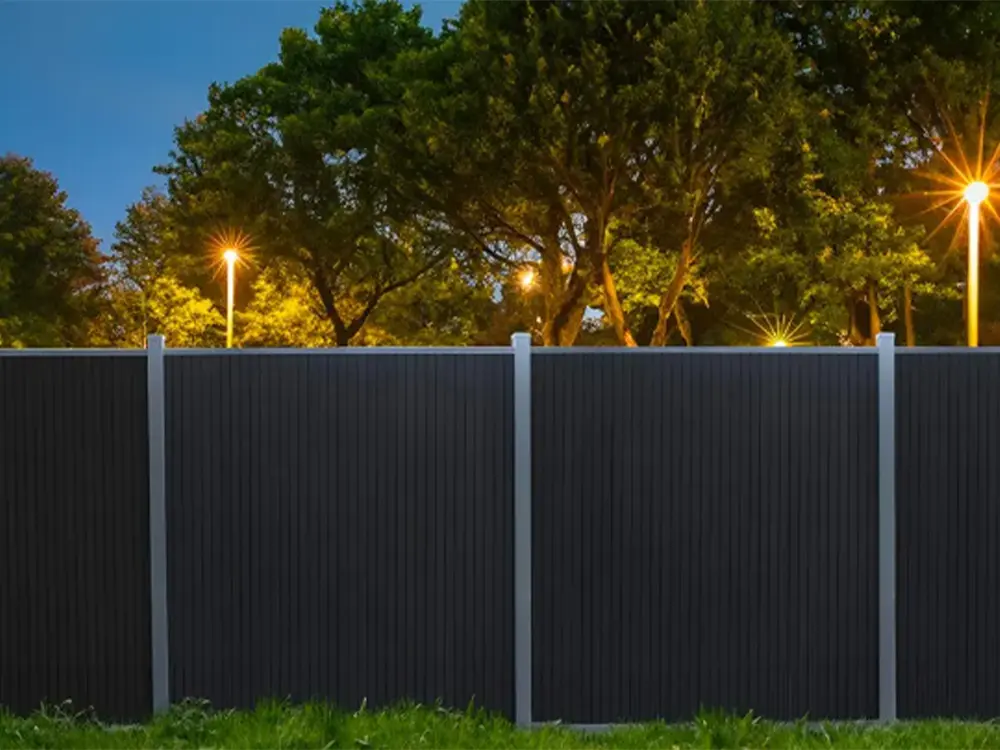
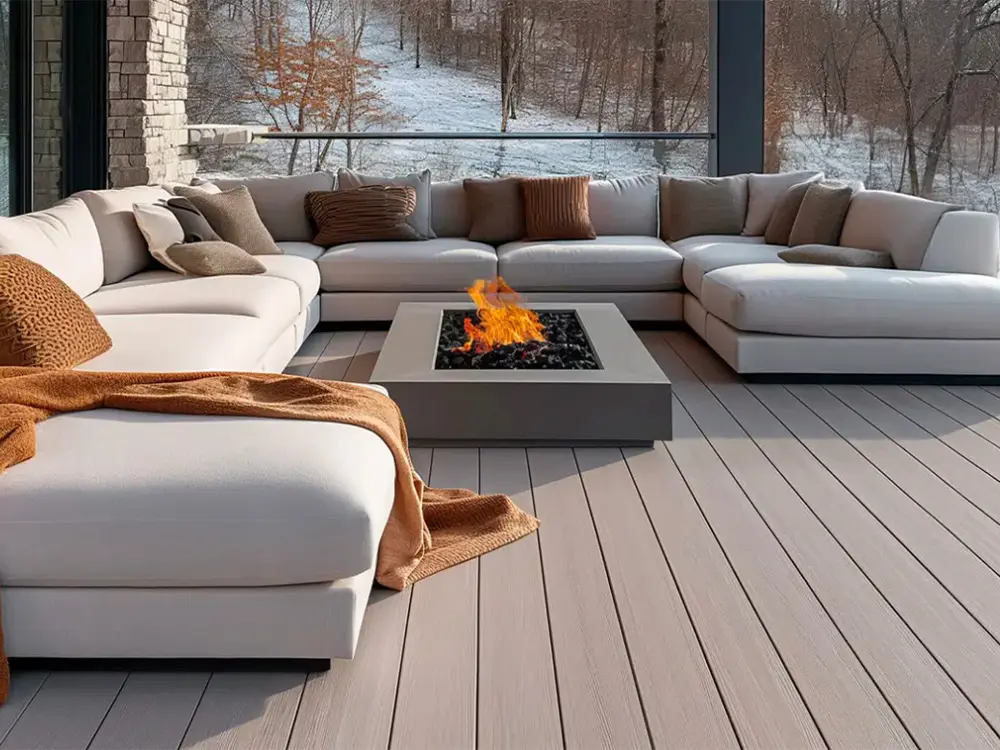
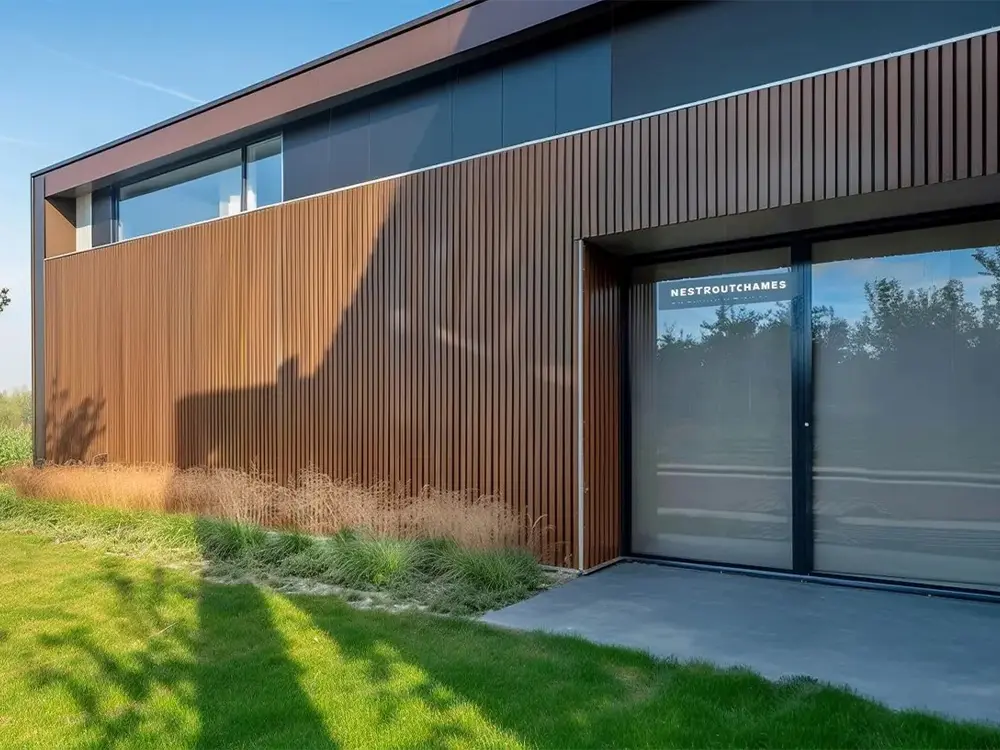
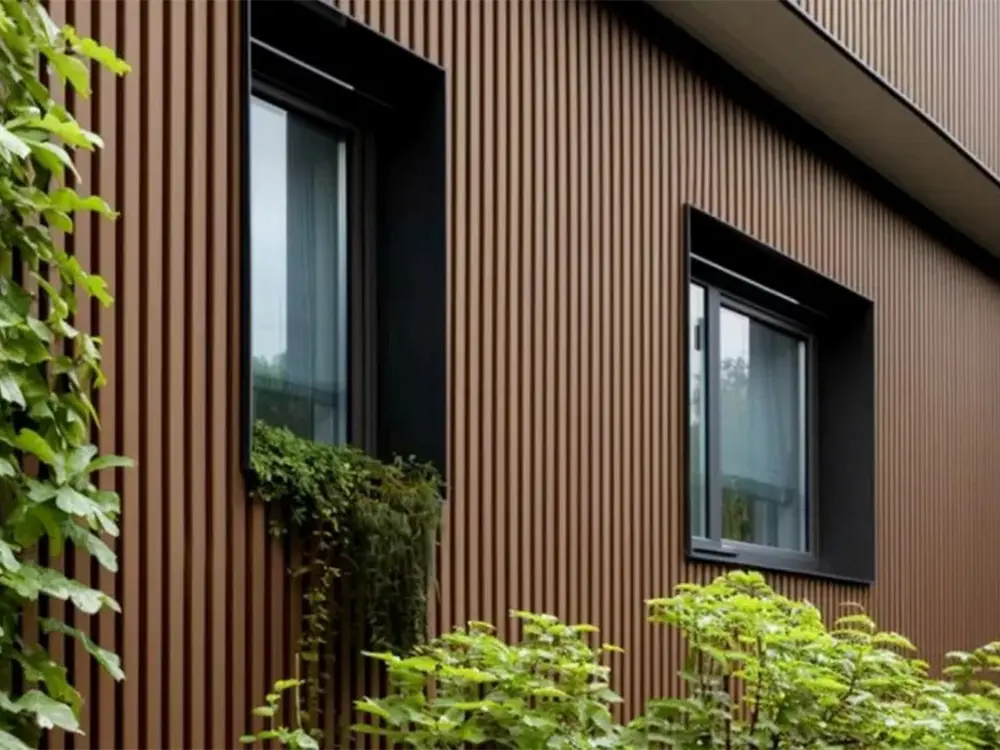
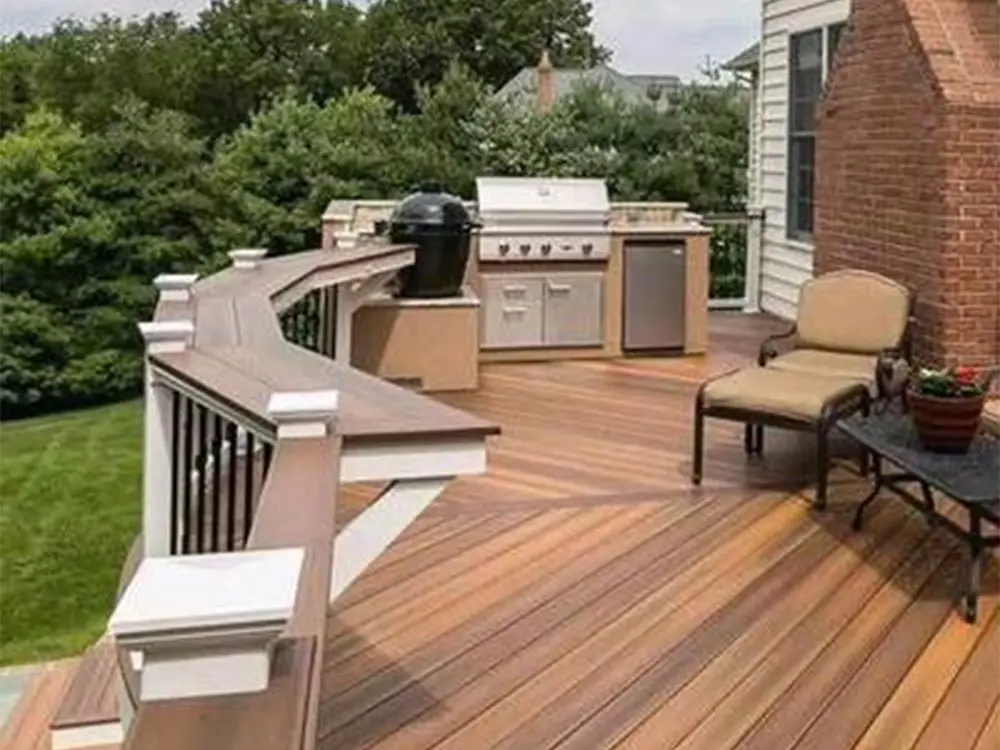
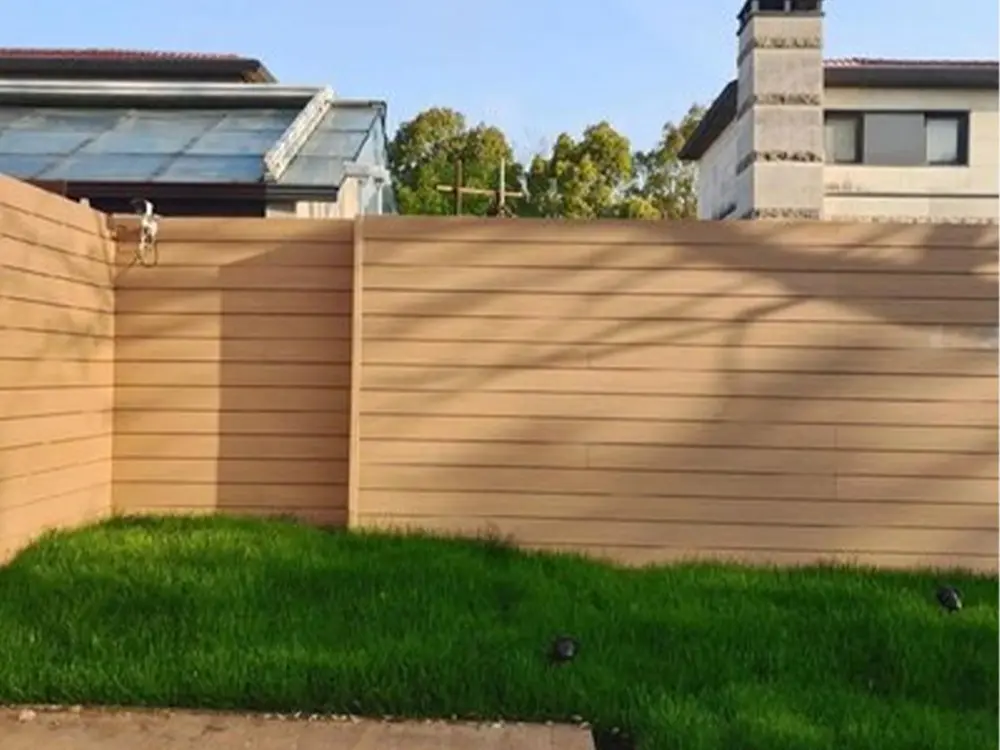
With the widespread application of wood–plastic composite (WPC) products in outdoor environments—such as in benches, railings, boardwalks, landscaping waterfront facilities, and construction formwork—they inevitably endure the effects of temperature, air exposure, humidity, and ultraviolet (UV) radiation. These factors lead to photodegradation of the material, resulting in discoloration, cracking, changes in physical and chemical properties, and reduced structural and mechanical performance. Such deterioration shortens the service life of the material and severely affects the wider adoption of WPCs. Therefore, studying the UV-aging mechanisms of WPCs and developing corresponding protective measures is of great importance.
In recent years, domestic researchers have proposed a new type of core–shell structured WPC. Compared with traditional anti-aging additives, these inorganic nano-scale materials not only offer wide availability and low cost, but also significantly improve the UV-aging resistance of core–shell WPCs, reducing their photo-oxidative degradation rate. Within a certain range, the higher the additive content, the more pronounced the effect.
Studies have shown that the photodegradation of lignin and other plant fibers in WPCs—particularly their mass proportion, specific structure, and chemical composition—is the main cause of surface discoloration. The mechanisms behind microstructural deterioration and reduced mechanical performance after aging are complex, involving polymer matrix chain scission, the removal of functional groups, intrusion of environmental moisture, and temperature fluctuations. Pretreatments such as chemical modification of plant fibers, adjusting the fiber content, changing the type of plastic matrix, improving molding methods, and adding hindered amine light stabilizers (HALS) and UV absorbers can effectively enhance the aging resistance of WPCs. Among these, anti-aging additives are cost-effective and widely studied and applied.
Currently, research on the UV-aging behavior and development of WPCs still faces several unresolved challenges. The aging mechanisms and aging patterns of WPCs have not yet formed a unified theoretical framework. The photodegradation of plant fibers (such as wood flour) and the resin matrix interact with each other in complex ways, not as simple additive effects, and current domestic and international research on this interaction remains limited. In real outdoor environments, temperature and humidity fluctuations, thermal-oxidative and photo-oxidative aging, as well as seasonal and regional factors collectively influence the aging process. However, many studies focus on a single aging condition, lacking comprehensive experimental systems and correlations between accelerated artificial aging and natural outdoor aging tests.
There is also a lack of theoretical research on WPC aging behavior and service-life prediction. A durability evaluation system could be developed by establishing dynamic mathematical models or deriving residual strength formulas based on external environmental factors, material composition, and other parameters. At present, the production cost of WPCs remains relatively high, resulting in market prices generally higher than those of solid wood. Therefore, reducing costs and improving production efficiency—such as using large quantities of recyclable agricultural residues (straw, husks) and waste plastics while ensuring aging resistance and overall performance—along with scaling up production and improving manufacturing technologies, are key challenges for the WPC industry.
As a biomass material that aligns with national sustainability policies and promotes resource conservation and recyclability, WPCs are experiencing rapid development and have strong future potential. To address current issues such as poor color stability, weak aging resistance, and high production cost, researchers are striving to develop high-performance WPCs with higher strength, better matrix compatibility, improved aging resistance, and higher recyclability.
In the production stage, increasing industrial automation—through AI-driven processes that cover raw-material storage, mixing, granulation, and co-extrusion—can significantly enhance precision, quality, and efficiency while reducing labor costs. To overcome the limitations of current equipment, which is largely adapted from wood or plastic production, specially designed high-capacity, high-efficiency granulators and related equipment for WPCs should be developed to expand production capacity and reduce manufacturing costs. Integrating nanotechnology and biotechnology can further improve aging resistance—for example, by developing new core–shell structures that reduce photo-oxidative degradation and extend service life.
Excerpted from “Research Progress on UV Aging Resistance of Wood–Plastic Composites” by Chen Hang et al.