What is Wpc Panel and How is it Used in Construction and Design?
WPC (Wood Plastic Composite) panels are gaining traction in the construction and design industry. According to a report by Grand View Research, the global WPC market size was valued at USD 5.7 billion in 2020 and is expected to grow significantly. This growth is attributed to the increasing demand for sustainable building materials and innovative design solutions. As highlighted by industry expert Dr. Mike Anderson, “WPC panels are revolutionizing the way we approach modern architecture.”
WPC panels combine the natural appearance of wood with the durability of plastic. These materials are used in both interior and exterior applications. From decking to wall cladding, their versatility is notable. However, the industry faces challenges, including production costs and environmental concerns. These factors require ongoing evaluation and adaptation.
As WPC technology evolves, its applications expand. Architects and builders must remain updated on advancements to maximize benefits. While WPC panels present many advantages, careful consideration of material selection and design options is essential for successful implementation.
What is WPC Panel? Definition and Composition Overview
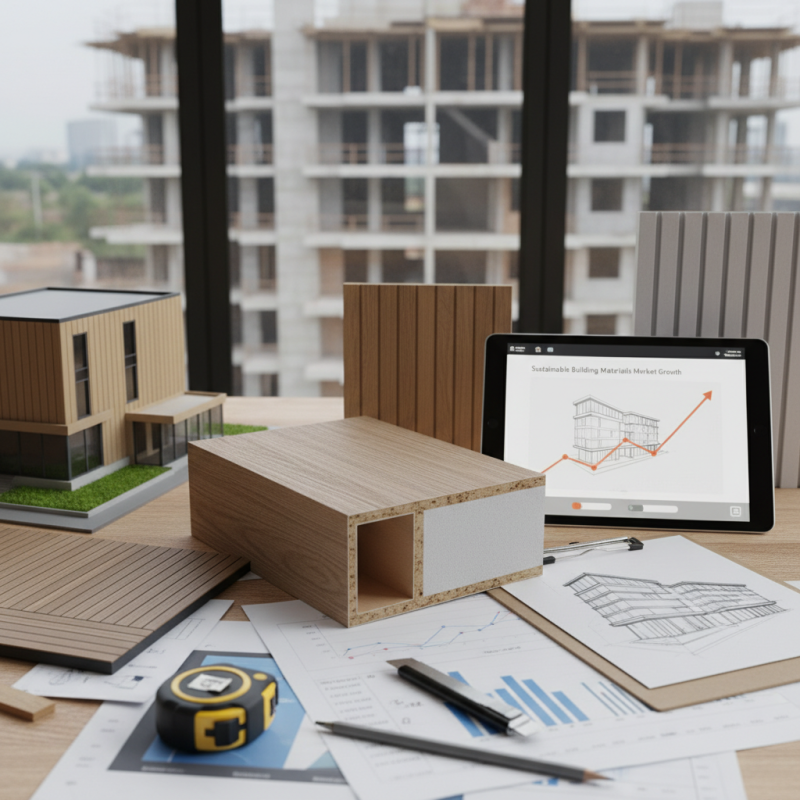
WPC Panel, short for Wood Plastic Composite Panel, is gaining traction in construction. It combines wood fibers and recycled plastic, creating a material that is both durable and versatile. Reports indicate that the global WPC market is expected to reach over $8 billion by 2027, indicating strong demand.
The composition of WPC Panels typically includes about 70% wood fiber and 30% thermoplastic. This composition not only enhances its structural integrity but also makes it resistant to moisture, rot, and insects. In environments like bathrooms and kitchens, WPC Panels perform exceptionally well, outperforming traditional materials. However, some critics point out that the manufacturing process can still be energy-intensive, posing environmental questions.
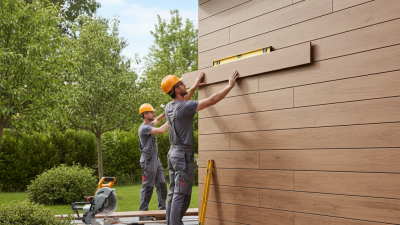
Installation of WPC Panels is straightforward, yet it requires careful planning. Cutting and fitting must be precise to ensure stability. Some professionals have noted that improper installation can compromise the panel's advantages. Additionally, while they are rich in aesthetic options, color fading under direct sunlight remains a concern. Balancing aesthetics and practical use continues to be an essential consideration in design decisions.
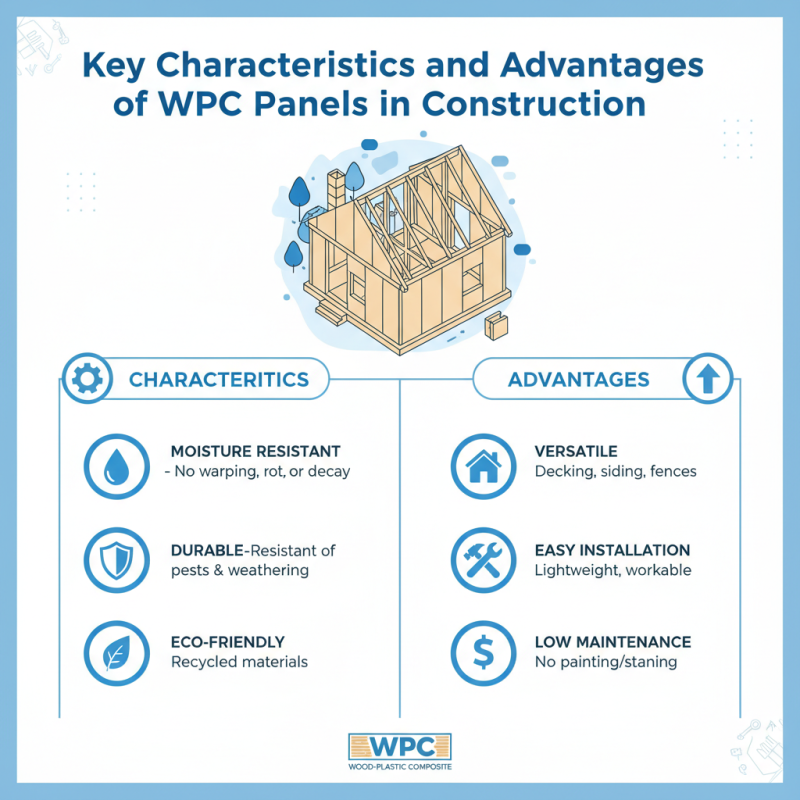
Key Characteristics and Advantages of WPC Panels in Construction
WPC panels, or wood-plastic composite panels, are gaining traction in construction and design. These versatile materials are made from a blend of wood fibers and plastic, offering a range of benefits. One notable characteristic is their resistance to moisture, reducing the risk of warping or decay. This makes them ideal for outdoor applications, such as decking and siding.
Another advantage of WPC panels is their durability. They can withstand harsh weather conditions and are less prone to damage compared to traditional wood. Additionally, WPC panels require minimal maintenance. A simple wash is often enough to keep them looking new. However, it's important to examine their environmental impact. Although they use recycled materials, the manufacturing process can still have effects on sustainability.
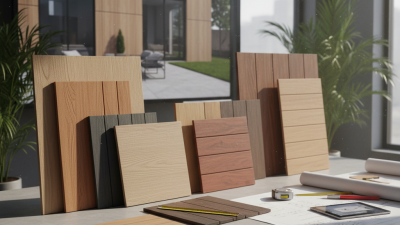
Aesthetic appeal is another key benefit. WPC panels can be designed to mimic natural wood, providing a similar look without the associated drawbacks. Designers can choose from a variety of colors and textures. However, the color may fade over time, leading to variations that some might find unappealing. Considering these factors can help in making an informed choice for construction projects.
Common Applications of WPC Panels in Interior and Exterior Design
WPC panels, or wood-plastic composite panels, are increasingly popular in construction and design. Their versatility allows for a wide range of applications, both indoors and outdoors. In interior design, these panels can be used for wall cladding, ceilings, and even furniture. They offer a wood-like appearance while ensuring durability and resistance to moisture, which is crucial in spaces like kitchens and bathrooms.
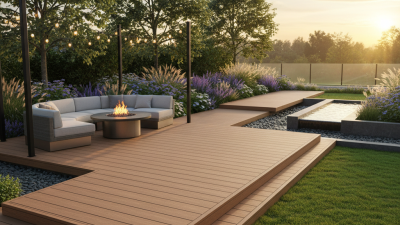
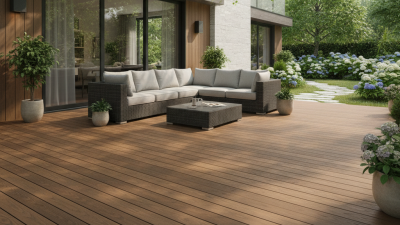
Outside, WPC panels serve well in decking, siding, and fencing. They withstand weather conditions much better than traditional materials. However, their surface can sometimes scratch or fade under intense sunlight. Homeowners should weigh these aspects when considering long-term maintenance. Additionally, while WPC is environmentally friendly, the production process does involve some synthetic materials. This raises questions about sustainability that need addressing.
Ultimately, the use of WPC panels reflects modern aesthetic and functional needs. Designers appreciate their flexibility, but they should remain mindful of the drawbacks. Whether for a home or commercial space, careful consideration can enhance the benefits WPC panels provide.
Installation Methods and Best Practices for WPC Panels
WPC panels have gained popularity in construction and design for their durability and aesthetic appeal. Using these panels requires careful planning and precise installation methods to ensure longevity and effectiveness. Correct alignment is crucial. Each panel must fit together seamlessly to create a cohesive look.
Before installation, always check the surface for flatness and any imperfections. Uneven surfaces can lead to complications later. Secure the panels properly to avoid warping. A secure installation can extend the panel's lifespan and maintain its appearance.
**Tips:** Allow the panels to acclimate before installation. This can reduce expansion or contraction after they are installed. Additionally, always use recommended fasteners to avoid damage. Regularly inspect the installed panels for signs of wear; early detection can prevent larger problems. These simple practices can often be overlooked but are essential for maintaining the integrity of WPC installations.
Environmental Impact and Sustainability of WPC Panels in Building Projects
WPC panels, or wood-plastic composites, are increasingly used in construction due to their sustainability. These panels combine wood fibers with plastic, making them durable and environmentally friendly. Their production often involves recycled materials, reducing waste and conserving resources. As a result, WPC panels contribute positively to building projects focused on eco-friendliness.
Despite their benefits, it’s essential to consider the entire lifecycle of WPC panels. The production process can involve energy-intensive procedures. Therefore, evaluating the energy consumption during manufacturing is crucial. Transparency in sourcing materials can also make a significant impact.
**Tips for Sustainability**: Select WPC panels with certification labels indicating recycled content. Always check the environmental impact statements of the products used. Applying proper maintenance can enhance their longevity, making them a more sustainable option. Avoid overlooking the waste generated during panel installation, as it can negate the eco-friendly advantages of using WPC materials.
Environmental Impact of WPC Panels in Building Projects